Rising Global Recession Probability Reshapes Portfolio Strategy for Indian Investors in 2025
-
admin
-
April 19, 2026
-
Uncategorized
-
0 Comments
Global recession risks have climbed materially in recent weeks, with leading economists citing persistent inflation, tightening credit conditions, and geopolitical uncertainty as primary drivers. Indian investors face a complex recalibration challenge as traditional safe-haven assets and emerging market equities respond divergently to deteriorating global growth signals. New Delhi, April 2025 — The probability of a global recession within the next …
Continue Reading
US-China Trade Rivalry Reshapes Global Supply Chains: Strategic Implications for Emerging Markets
-
admin
-
April 19, 2026
-
Uncategorized
-
0 Comments
The US-China trade relationship has evolved from commercial competition into a structural geopolitical contest centred on technology supremacy, supply chain control, and economic security. This transformation is forcing third countries, particularly India, to navigate increasingly complex alignment choices while pursuing strategic autonomy in manufacturing and trade partnerships. New Delhi, April 2026 — The Council on Foreign Relations has published fresh …
Continue Reading
Bangladesh’s Diplomatic Isolation Exposes Strategic Vulnerabilities as Regional Realignment Accelerates
-
admin
-
April 19, 2026
-
Uncategorized
-
0 Comments
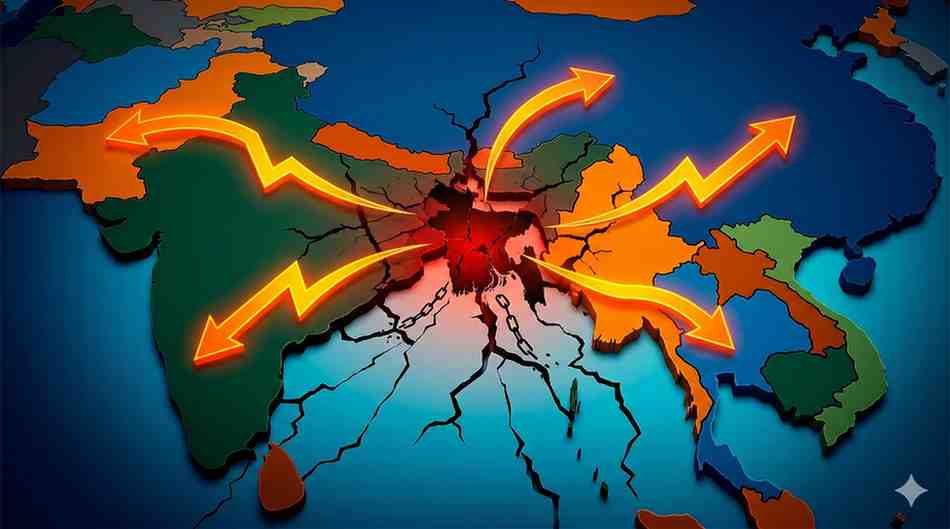
Bangladesh faces mounting evidence of foreign policy dysfunction as the interim government struggles to maintain balanced relationships with major powers while navigating domestic political instability. The crisis reveals how decades of transactional diplomacy without institutional depth has left Dhaka exposed during a period of intensifying great-power competition in South Asia. New Delhi, April 2025 — A new assessment has characterised …
Continue Reading
Why US-Iran Tensions Triggered India’s Sharpest Single-Day Market Rout in 2025
-
admin
-
April 19, 2026
-
Uncategorized
-
0 Comments
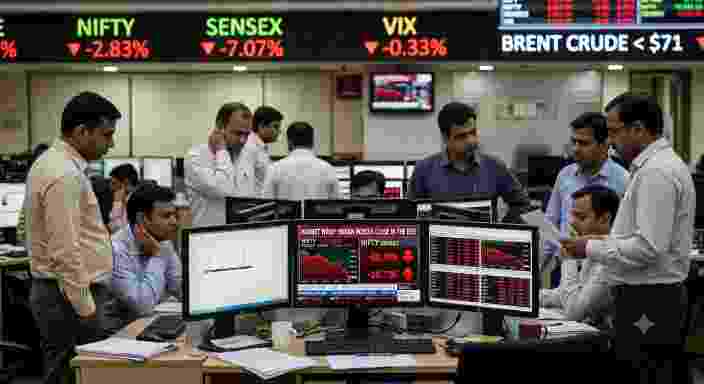
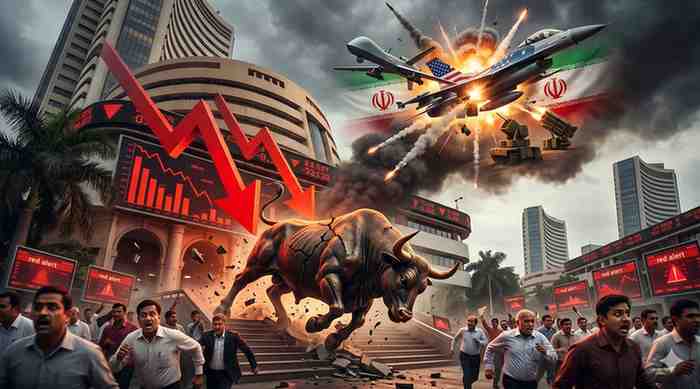
Indian equity markets suffered their steepest single-session decline of 2025, with the Sensex plunging 1,600 points and the Nifty sliding sharply as escalating US-Iran geopolitical friction sent crude oil prices surging. The sell-off reflects India’s acute vulnerability to energy price shocks, with oil imports constituting over 85% of domestic consumption and directly influencing inflation, fiscal balances, and corporate margins. New …
Continue Reading
Geopolitical Détente and Foreign Inflows Power Indian Equities: What April’s Rally Signals
-
admin
-
April 19, 2026
-
Uncategorized
-
0 Comments
Indian benchmark indices Sensex and Nifty recorded gains in mid-April 2025 as markets priced in potential de-escalation between the United States and Iran alongside renewed foreign institutional investor buying. The dual tailwinds suggest a shift in risk appetite that could sustain equity momentum if geopolitical tensions continue easing and dollar outflows from emerging markets reverse. New Delhi, April 2025 — …
Continue Reading
How Oil Supply Disruptions at Strait of Hormuz Could Raise Indian Household Costs and Inflation
-
admin
-
April 19, 2026
-
Uncategorized
-
0 Comments
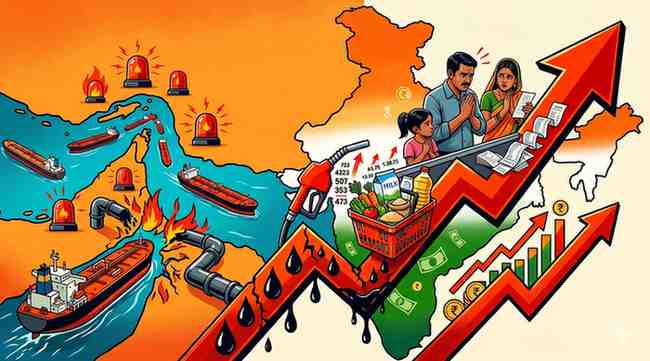
Geopolitical tensions threatening oil flows through the Strait of Hormuz pose direct risks to Indian household budgets, given India’s 85% dependence on crude imports and the commodity’s downstream impact on transport, food, and manufactured goods. A sustained $10 per barrel increase in crude prices could add 40-50 basis points to headline inflation within two quarters, forcing both monetary policy recalibration …
Continue Reading
RBI Holds Rates Steady at 5.25%: Why the Central Bank Is Betting on Patience Over Stimulus
-
admin
-
April 19, 2026
-
Uncategorized
-
0 Comments
The Reserve Bank of India’s Monetary Policy Committee has unanimously voted to keep the repo rate unchanged at 5.25%, maintaining its neutral stance amid competing pressures from softening growth and persistent inflation risks. This decision signals the RBI’s reluctance to deploy additional monetary stimulus until clearer evidence emerges on the trajectory of food prices and global commodity markets. New Delhi, …
Continue Reading
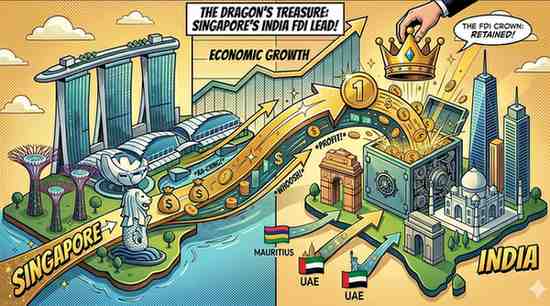
Singapore Retains Top FDI Source Status for India: What Sustained Capital Flows Mean for Investment Policy
-
admin
-
April 18, 2026
-
Uncategorized
-
0 Comments
Singapore remains the largest source of foreign direct investment into India in 2026, maintaining a position it has held for several consecutive years due to treaty benefits and its role as a financial hub for Asia-Pacific capital. The city-state’s dominance reflects both legitimate investment routing and India’s continued attractiveness to global institutional capital seeking emerging market exposure. New Delhi, April …
Continue Reading
Why India’s Ease of Doing Business Reforms Remain Central to Its $5 Trillion Economy Ambition
-
admin
-
April 18, 2026
-
Uncategorized
-
0 Comments
India’s Ease of Doing Business (EoDB) reforms represent a sustained multi-year effort to dismantle regulatory barriers, reduce compliance burdens, and attract both domestic and foreign investment. These reforms directly influence India’s competitiveness in global capital allocation and remain critical to achieving the government’s $5 trillion economy target. New Delhi, April 2026 — India’s journey from 142nd position in the World …
Continue Reading
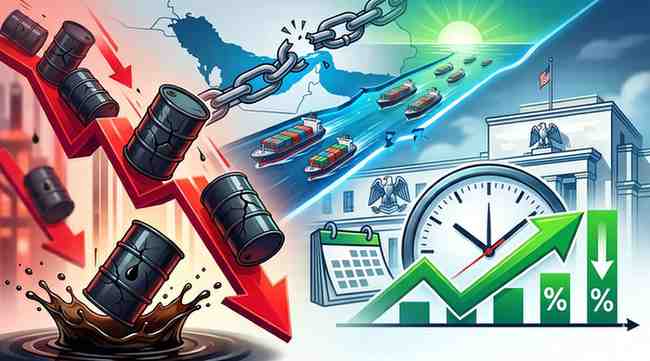
How Falling Oil Prices and Hormuz Reopening Could Reshape Federal Reserve Rate Cut Timing
-
admin
-
April 18, 2026
-
Uncategorized
-
0 Comments
The reopening of the Strait of Hormuz and subsequent decline in crude oil prices have created unexpected room for the US Federal Reserve to consider accelerating its rate-cut timeline. Lower energy costs translate directly into softer inflation readings, potentially allowing the Fed to prioritise growth support without reigniting price pressures. New Delhi, April 2026 — Brent crude fell below $72 …
Continue Reading