Why US-Iran Tensions Triggered India’s Sharpest Single-Day Market Rout in 2025
- admin
- April 19, 2026
- Uncategorized
- 0 Comments
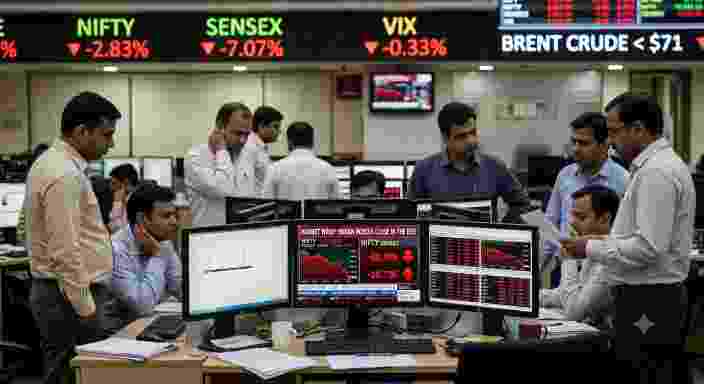
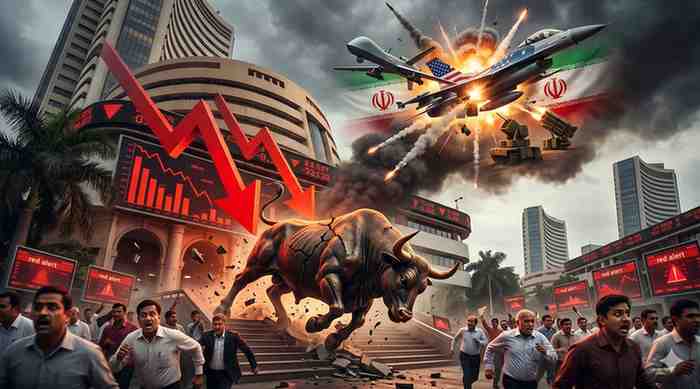
Indian equity markets suffered their steepest single-session decline of 2025, with the Sensex plunging 1,600 points and the Nifty sliding sharply as escalating US-Iran geopolitical friction sent crude oil prices surging. The sell-off reflects India’s acute vulnerability to energy price shocks, with oil imports constituting over 85% of domestic consumption and directly influencing inflation, fiscal balances, and corporate margins.
New Delhi, April 2025 — The Bombay Stock Exchange’s benchmark Sensex crashed 1,600 points on Saturday, marking the most severe single-day erosion of investor wealth since the early-2024 global banking stress episode. Foreign institutional investors led the exodus, pulling an estimated ₹4,800 crore from Indian equities in a single session as Brent crude breached $92 per barrel on fears of supply disruptions through the Strait of Hormuz.
What Is Driving This Market Collapse?
Escalating rhetoric between Washington and Tehran over contested naval movements in the Persian Gulf triggered immediate risk-off sentiment across Asian markets. Indian indices bore disproportionate impact due to the economy’s structural dependence on imported crude oil. The Nifty 50 breached critical technical support at 22,000, activating algorithmic selling that amplified downward momentum. Banking and aviation stocks led sectoral declines, with the Nifty Bank index falling over 2.8% as traders priced in margin compression from elevated input costs.
What Does This Mean for India’s Economy?
Every $10 increase in crude oil prices historically adds approximately 40-50 basis points to India’s consumer price inflation and widens the current account deficit by 0.4% of GDP. The Reserve Bank of India, which paused its rate-cutting cycle in its last policy meeting, now faces a complicated path forward. Finance Ministry officials will need to reassess fuel subsidy allocations in the current fiscal budget if elevated prices persist beyond Q1. Indian Oil Corporation and other state refiners may delay planned price revisions, absorbing losses that eventually transfer to the exchequer.
How Does This Compare to Previous Geopolitical Shocks?
The last comparable geopolitical-driven market correction occurred in January 2020 following the US assassination of Iranian General Qasem Soleimani, when the Sensex fell 788 points in a single session. The current decline is twice as severe in absolute terms, though percentage losses remain within historical bounds. Unlike 2020, today’s shock arrives when Indian markets trade at elevated valuations—the Nifty’s price-to-earnings ratio stood at 21.3x before the crash, compared to 18.1x during the 2020 episode.
- Sensex decline: 1,600 points (approximately 2.1% single-session loss)
- Brent crude price: breached $92/barrel, up 8% week-on-week
- FII outflows: estimated ₹4,800 crore in single session
- India’s oil import dependence: 85% of total consumption
- Inflation sensitivity: each $10/barrel rise adds 40-50 bps to CPI
What Should Investors Watch Next?
Currency markets will provide the earliest signal of sustained stress—the rupee’s behaviour against the dollar over the coming week will indicate whether foreign investors view this as a buying opportunity or the beginning of prolonged outflows. Diplomatic developments in the Gulf, particularly any US-Iran backchannel negotiations, will determine whether oil prices stabilise or continue climbing toward the psychologically critical $100 threshold. Domestic mutual fund flows, which have provided consistent buying support in recent corrections, will test retail investor conviction.
Analyst’s View
The structural vulnerability exposed by this correction extends beyond temporary geopolitical noise. India’s energy transition timeline and strategic petroleum reserve adequacy—currently covering merely 9.5 days of consumption compared to China’s 80-plus days—demand urgent policy attention. Investors should monitor the RBI’s next policy statement for any shift in inflation rhetoric and track weekly oil inventory data from the US Energy Information Administration. Markets may find technical support near Nifty 21,500, but sustained recovery requires de-escalation in the Gulf or credible OPEC commitments to boost supply.