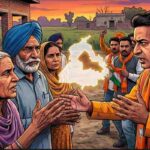
Sonam Wangchuk Pledges to Continue Fast, Urges Mass Participation for July 20 Parliament March
- Editor
- July 20, 2026
- Uncategorized
- 0 Comments
New Delhi, July 2026 — Climate activist Sonam Wangchuk’s indefinite hunger strike has pushed Ladakh’s struggle for constitutional autonomy into its most critical phase.
What began as a localized movement for environmental and cultural safeguards has culminated in a high-stakes standoff with the central government, as Wangchuk issues a final, dramatic ultimatum to the nation.
A Frail Body, an Unyielding Resolve After days of refusing food, Wangchuk’s physical health has visibly deteriorated, but his message remains uncompromising. Speaking from his protest site, the innovator emphasized that physical deprivation has not broken his spirit.
“I may be weak from the outside, but I am very strong from within,” Wangchuk stated. His supporters, watching a revered national figure visibly wasting away, describe the fast as a desperate bid to force the government’s hand after months of stalled talks.
The Ultimate Demand: The Sixth Schedule At the heart of Wangchuk’s protest is the demand to include Ladakh under the Sixth Schedule of the Indian Constitution.
Following the bifurcation of Jammu and Kashmir in 2019, Ladakh was designated a Union Territory without a legislature. Residents argue this has left them politically disempowered and vulnerable to bureaucratic overreach. The Sixth Schedule would grant the region autonomous district councils, giving locals the legal power to protect their fragile Himalayan ecosystem and indigenous tribal culture from aggressive industrial and mining interests.
The July 20 Parliament March Wangchuk has pinned the survival of the movement on a massive, peaceful mobilization scheduled for today, July 20. He has urged citizens, environmentalists, and allies from across India to march alongside him to the capital.
The goal is to take their grievances directly to the “temple of democracy”—the Indian Parliament—and demand immediate legislative intervention. The march is being positioned as a non-violent, democratic appeal, contrasting sharply with the administrative silence they have faced so far.
A Haunting Ultimatum The gravity of the situation was underscored by Wangchuk’s parting words to his followers, which carried the weight of a life-or-death struggle.
Vowing to sustain his fast until the demonstration begins, he declared, “I will remain alive like this until July 20.” However, he coupled this with a stark warning about the consequences of public apathy, stating that if the public fails to show up and the march fails, he will “return as a ghost” to haunt the conscience of the nation.
Bottom Line The battle for Ladakh is no longer just about regional policy; it has become a litmus test for how India balances industrial development with indigenous rights. As the July 20 deadline arrives, Wangchuk has made it clear: if the system fails to listen to a living voice, it will have to reckon with the legacy of its silence.