Beijing’s Shadow Mediation in Iran-US Tensions Reshapes Middle East Power Dynamics
- admin
- April 24, 2026
- Uncategorized
- 0 Comments
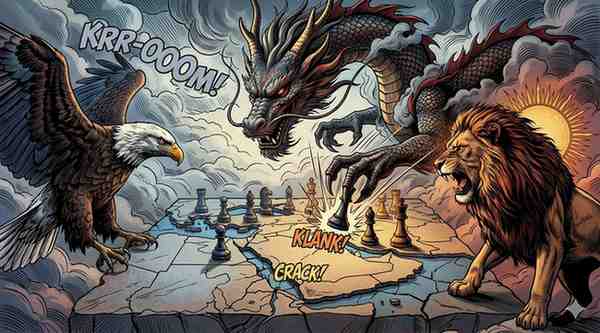
China has emerged as a critical behind-the-scenes mediator between Iran and the United States, leveraging its economic relationships with both nations to prevent military escalation. Beijing’s quiet diplomatic intervention marks a significant expansion of Chinese geopolitical influence in the Middle East, challenging Washington’s traditional dominance in the region.
New Delhi, April 2025 — China’s foreign ministry officials have conducted multiple rounds of discreet negotiations with Iranian and American counterparts over the past several weeks, according to diplomatic sources cited by The Indian Express. Beijing’s intervention represents a strategic departure from its historical non-interference posture in Middle Eastern conflicts, signalling its readiness to assume great-power mediation responsibilities in regions where it holds substantial energy and infrastructure investments.
What Is Driving China’s Diplomatic Intervention?
China imports approximately 1.5 million barrels of Iranian crude oil daily, making it Tehran’s largest trading partner and a stakeholder in preventing supply disruptions. Beijing’s Belt and Road Initiative investments across the Persian Gulf region, estimated at over $200 billion, face direct threat from any military confrontation. China’s leadership calculates that successful mediation would simultaneously secure its energy supply chains and demonstrate diplomatic capabilities rivalling those of the United States. The 2023 Saudi-Iran rapprochement, brokered by Beijing, established a template for Chinese mediation that the current intervention appears to follow.
What Does This Mean for India?
India’s strategic calculations face immediate complication as China expands its Middle Eastern footprint in a region where New Delhi maintains critical energy dependencies. Indian refiners source approximately 10 percent of crude imports from Iran through sanctions-workaround mechanisms, and any China-brokered settlement could reshape these arrangements. New Delhi’s Chabahar Port investment, designed partly to bypass Pakistan and reach Central Asia, risks diminished relevance if Beijing deepens its regional influence architecture. Indian foreign policy establishment must now calibrate its Iran engagement against the backdrop of intensified Sino-American competition for regional primacy.
How Does This Compare to Previous Diplomatic Patterns?
Beijing’s current intervention contrasts sharply with its passive stance during the 2015 Iran nuclear deal negotiations, when China participated multilaterally but avoided bilateral mediation. The last comparable instance of major-power intermediation in US-Iran tensions occurred in 2020, when Switzerland and Oman served as communication channels during the Qasem Soleimani crisis. China’s willingness to engage directly reflects both its accumulated regional leverage and its assessment that the United States would accept Beijing’s involvement to avoid conflict.
- China purchases over 90 percent of Iran’s sanctioned oil exports, providing Tehran critical economic lifeline
- Beijing’s infrastructure investments in Gulf Cooperation Council states exceed $150 billion since 2013
- Chinese naval presence at Djibouti base and regular exercises with Iranian forces signal military coordination capacity
- Yuan-denominated oil transactions between China and Iran bypass US dollar sanctions architecture
- China’s 25-year strategic partnership with Iran, signed in 2021, includes defence cooperation provisions
What Should Investors Watch?
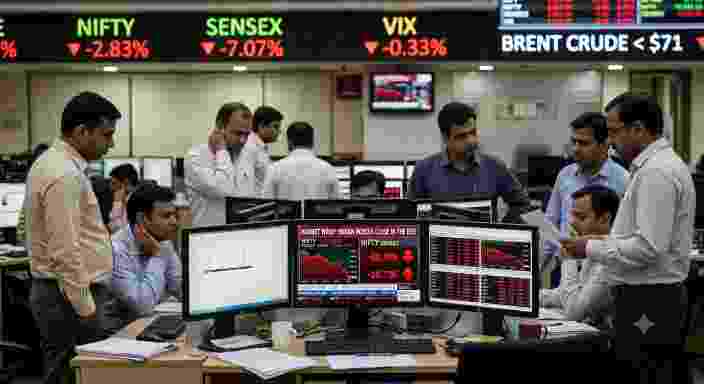
Energy markets remain acutely sensitive to any escalation or de-escalation signals emerging from the China-facilitated negotiations. Indian Oil Corporation and Reliance Industries face margin implications depending on whether Iranian crude flows stabilise or face renewed restrictions. Defence sector equities across Asian markets may see volatility as regional security assessments shift. Currency traders should monitor the yuan’s role in any settlement framework, as expanded use in energy transactions would accelerate de-dollarisation trends.
Analyst’s View
China’s shadow diplomacy in the Iran-US confrontation establishes Beijing as an indispensable actor in Middle Eastern security architecture, a position the United States has monopolised since 1991. The medium-term trajectory suggests China will leverage any successful mediation to demand reciprocal American accommodation on Taiwan and trade disputes. India must urgently develop institutional capacity for engagement with this emerging multipolar Middle East, where access to energy and transit routes will increasingly require navigation between Washington and Beijing. The critical variable remains whether China can sustain mediator credibility while maintaining its strategic partnership with Iran—a balancing act that will define regional alignments through the decade.