US Dollar Strength Amid Iran Tensions: How Middle East Geopolitics Is Reshaping Currency and Crude Markets
- admin
- April 24, 2026
- Uncategorized
- 0 Comments
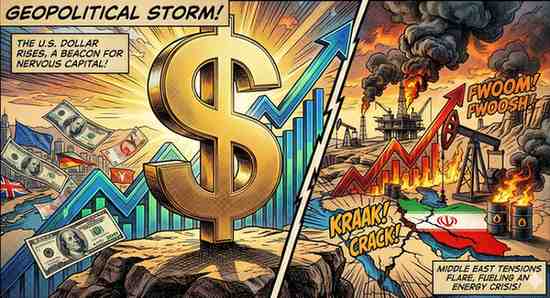
The US dollar is holding near multi-week highs as escalating Iran-US tensions drive safe-haven flows and inject fresh volatility into global crude oil markets. This geopolitical premium is compressing risk appetite across emerging markets, with India facing dual pressure from a stronger dollar and elevated energy import costs.
New Delhi, April 2025 — The US Dollar Index (DXY) has consolidated above the 106 mark, its strongest sustained position since early March, as diplomatic friction between Washington and Tehran reignites concerns over potential supply disruptions in the Strait of Hormuz, through which roughly 20 percent of global oil trade transits daily.
What Is Driving the Dollar’s Current Strength?
The dollar’s resilience stems from a classic flight-to-safety dynamic, where geopolitical uncertainty prompts institutional capital to rotate toward US-denominated assets. Iran-US standoffs have historically triggered this pattern, with the January 2020 Soleimani crisis providing the most recent precedent when the DXY spiked 0.8 percent within 48 hours. Federal Reserve policy expectations compound this effect, as persistent inflation concerns have pushed back rate-cut timelines, maintaining the dollar’s yield advantage over other major currencies. Currency strategists note that the greenback’s current trajectory reflects both geopolitical hedging and structural monetary divergence.
What Does This Mean for India?
India’s macroeconomic position faces compounding pressures from this twin shock of dollar strength and oil price elevation. The rupee has depreciated past 83.5 against the dollar, increasing the landed cost of crude imports for a nation that sources over 85 percent of its petroleum requirements externally. Reserve Bank of India intervention in forward markets suggests policymakers are prioritising volatility management over defending specific exchange rate levels. Indian refiners, already operating on compressed margins, may seek to accelerate Russian crude purchases to offset Middle Eastern supply risk premiums.
How Does This Compare to Previous Geopolitical Shocks?
The current market response remains measured compared to acute crisis episodes of the past decade. Brent crude has risen approximately 4 percent since tensions escalated, whereas the 2019 Aramco drone attacks triggered a single-day spike exceeding 14 percent. Market participants appear to be pricing in diplomatic de-escalation as the base case, though options markets reveal elevated demand for upside crude protection through June expiry contracts. The dollar’s safe-haven bid, while notable, has not approached the magnitude witnessed during the March 2020 pandemic liquidity crisis.
- US Dollar Index trading above 106, highest sustained level since early March 2025
- Strait of Hormuz handles approximately 20 percent of daily global oil shipments
- Indian rupee has weakened past 83.5/USD amid risk-off sentiment
- Brent crude up roughly 4 percent since Iran-US tensions intensified
- India imports over 85 percent of its crude oil requirements annually
What Should Investors Watch?
Currency and commodity traders should monitor three critical indicators in the coming weeks. Diplomatic communications between Iranian officials and European intermediaries will signal escalation or de-escalation trajectories. US Strategic Petroleum Reserve policy decisions could cap crude upside if Washington signals willingness to release emergency stockpiles. Indian government responses, particularly any adjustments to fuel excise duties or windfall taxes on refiners, will indicate New Delhi’s tolerance for pass-through inflation.
Analyst’s View
The Iran-US standoff represents a stress test for the post-pandemic global risk architecture, where energy security and currency stability remain deeply interlinked. India’s current account dynamics suggest rupee weakness could persist if Brent sustains above $88 per barrel through the monsoon season, potentially forcing the RBI to recalibrate its inflation projections. The more consequential question is whether this episode accelerates India’s strategic pivot toward long-term energy supply diversification, including expanded Russian contracts and accelerated renewable capacity deployment. Fund managers should position for elevated volatility through Q2, with particular attention to Indian oil marketing companies and currency-hedged export plays.