RBI Governor Flags FDI Outflow Monitoring Amid Global Capital Volatility Concerns
- admin
- April 24, 2026
- Uncategorized
- 0 Comments
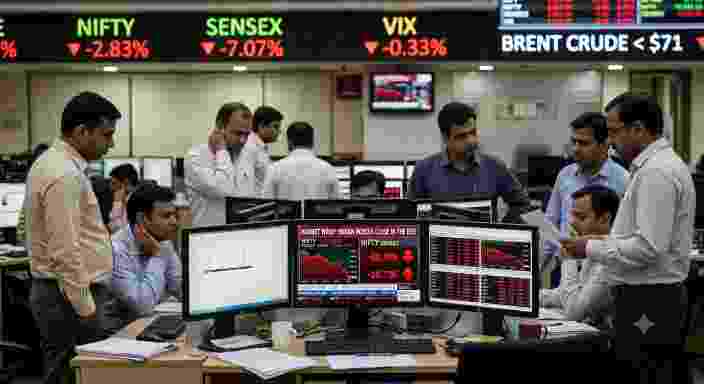
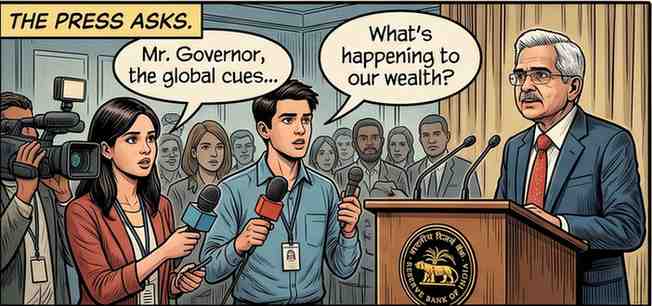
RBI Governor Sanjay Malhotra has confirmed that India’s central bank is actively monitoring short-term capital fluctuations, including foreign direct investment outflows, signalling heightened vigilance over external sector stability. The statement reflects growing concerns about capital flight risks as global monetary conditions tighten and geopolitical uncertainties reshape investment flows across emerging markets.
New Delhi, April 2025 — Reserve Bank of India Governor Sanjay Malhotra’s acknowledgment that the central bank is closely tracking FDI outflows marks a notable shift in official communication, explicitly addressing capital movement concerns that policymakers typically discuss only in technical forums. The statement comes as India navigates a complex external environment characterised by elevated US interest rates, a strengthening dollar, and intensifying competition among emerging markets for increasingly selective foreign capital.
What Is Driving the RBI’s Heightened Vigilance?
India recorded net FDI outflows of approximately $1.4 billion in the December 2024 quarter, a reversal from the consistent inflows that characterised the post-pandemic recovery period. Global institutional investors have been rebalancing portfolios toward higher-yielding US treasuries, with the Federal Reserve maintaining rates above 5% for an extended period. The RBI’s explicit mention of monitoring suggests internal assessments indicate potential acceleration in outflow pressures, particularly from sectors facing valuation corrections such as technology and consumer discretionary.
What Does This Mean for India’s External Sector Stability?
India’s foreign exchange reserves stand at approximately $640 billion, providing adequate buffer against short-term volatility but insufficient to counteract sustained capital flight. The current account deficit, while contained at 1.2% of GDP, remains vulnerable to widening if portfolio outflows compound existing pressures from elevated oil import bills. RBI’s communication strategy appears designed to signal preparedness without triggering market anxiety, a delicate balance the central bank has maintained since the 2013 taper tantrum episode when India was classified among the “Fragile Five” emerging economies.
How Does India Compare to Other Emerging Markets?
India’s FDI attraction has outperformed peers including Brazil and South Africa over the past decade, but recent trends show Vietnam and Indonesia capturing incremental manufacturing investments through aggressive incentive structures. China’s capital account management has intensified, creating both competitive pressures and opportunities as multinationals diversify supply chains. The RBI’s monitoring stance mirrors actions by central banks in Indonesia and Brazil, which have similarly flagged capital flow surveillance amid the prolonged global monetary tightening cycle.
- Net FDI flows turned negative at -$1.4 billion in Q3 FY25, compared to +$4.2 billion in the same quarter of FY24
- Foreign portfolio investors withdrew approximately ₹25,000 crore from Indian equities in the first quarter of 2025
- India’s forex reserves provide import cover of approximately 10 months, above the three-month adequacy threshold
- The rupee has depreciated 3.8% against the dollar year-to-date, underperforming the Indonesian rupiah and Thai baht
- Global FDI flows to emerging markets declined 18% in 2024 according to UNCTAD preliminary estimates
What Should Investors and Businesses Watch?
Corporate treasury managers should prepare for potential RBI interventions in currency markets if outflow pressures intensify, which could affect hedging costs and forward premium structures. Sectors with high foreign ownership concentration, particularly financial services and information technology, face elevated sensitivity to portfolio rebalancing decisions by global funds. The RBI’s quarterly balance of payments data releases and weekly forex reserve movements will serve as critical indicators of whether current concerns translate into actionable policy responses.
Analyst’s View
Governor Malhotra’s statement represents calibrated communication rather than crisis signalling, but the explicit mention of FDI outflows indicates the RBI is preparing contingency frameworks for more adverse scenarios. Investors should monitor the April trade data and May forex reserve trends for early indicators of acceleration in outflow pressures. The critical variable remains the Federal Reserve’s rate trajectory; any dovish pivot would substantially ease pressure on emerging market capital accounts, while prolonged US monetary tightness could force the RBI toward more interventionist measures, including selective capital flow management tools last deployed during the 2013 currency crisis.