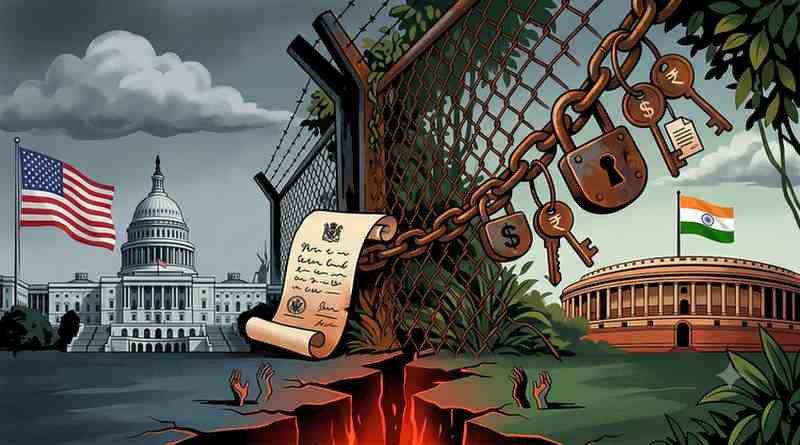
US Concerns Over India’s FCRA Bill Signal Strain in Bilateral Relations
- admin
- August 5, 2026
- Uncategorized
- 0 Comments
US Congressman concerns over India’s Foreign Contribution Regulation Act (FCRA) Bill highlight potential diplomatic tensions. Critics argue that the legislation could restrict religious freedoms and negatively impact India-US relations.
New Delhi, August 2026 — Representative Chris Smith’s remarks underscore a critical juncture in India-US ties, particularly regarding India’s stance on religious freedoms. The FCRA Bill, which aims to regulate foreign funding to NGOs, has been interpreted by some as targeting Christian organizations, raising alarm in Washington. The Congressman’s warnings reflect broader worries about India’s democratic integrity and its implications for bilateral engagements.
What Is Driving This?
The FCRA Bill’s introduction is perceived as a move to tighten control over foreign funding, especially for NGOs that promote religious activities. Critics assert that the bill disproportionately affects Christian organizations, which are often recipients of international aid and support. The legislation aligns with a growing trend in India where the government has sought to manage civil society organizations more stringently, leading to accusations of rising religious intolerance.
What Does This Mean for India?
The potential backlash from the US Congress could complicate India’s efforts to attract foreign investment and bolster its global standing. Policymakers in India may need to consider the long-term implications of the FCRA Bill on diplomatic relations, particularly as the US remains a critical ally in various sectors, including defense and technology. A decline in support from the US could have reverberating effects on India’s economic ambitions and its role in regional geopolitics.
How Does This Compare Globally?
Globally, similar legislative measures have sparked international criticism in other nations, often leading to strained relations with Western countries. In countries like Turkey and Hungary, restrictive NGO laws have resulted in sanctions and diplomatic fallout. The FCRA Bill could place India in a comparable position, where its domestic policies inadvertently alienate key international partners.
What Should Investors Watch?
- Investors should monitor changes in India’s regulatory environment affecting NGOs.
- Potential backlash from the US could signal shifts in foreign investment patterns.
- Increased scrutiny of religious freedom may impact reputational risk assessments for businesses operating in India.
- Changes in diplomatic ties could lead to alterations in defense and trade agreements.
Analyst’s View
Investors and policymakers must remain vigilant regarding the implications of the FCRA Bill. The evolving geopolitical landscape necessitates a nuanced understanding of how domestic policies can influence international relations. The potential for strained ties with the US underscores the importance of balancing national interests with global perceptions, particularly as India positions itself as a major player on the world stage.