The Limitations of Regional Initiatives in Addressing Middle Eastern Instability
- admin
- August 4, 2026
- Uncategorized
- 0 Comments
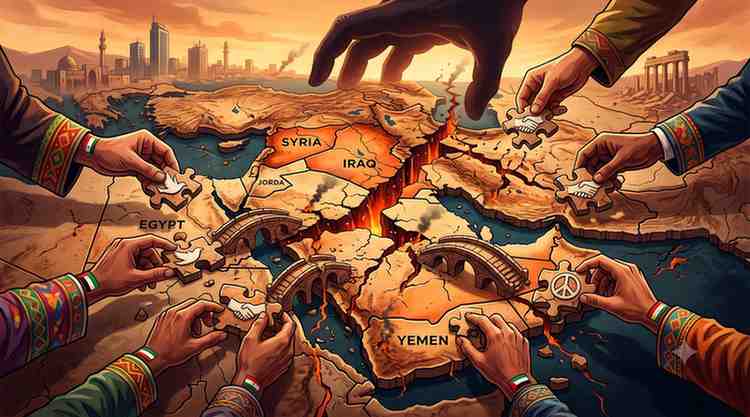
Regional architectures in the Middle East are insufficient to ensure long-term stability due to the complex interplay of external influences and intra-regional rivalries. Effective stabilization will require a multi-faceted approach that incorporates global powers alongside local stakeholders.
New Delhi, August 2026 — The geopolitical landscape of the Middle East remains fraught with instability, despite numerous regional initiatives aimed at fostering collaboration and peace. Recent conflicts and diplomatic challenges illustrate that local frameworks alone cannot address the underlying issues that perpetuate unrest, such as sectarian divides, authoritarian governance, and the influence of external powers.
What Is Driving This?
The fragmentation of the Middle East is driven by historical grievances and the competing interests of regional powers. Nations like Iran and Saudi Arabia continue to engage in proxy conflicts, exacerbating tensions in countries like Syria and Yemen. Furthermore, the U.S. withdrawal from the region has created a vacuum that other powers, including Russia and China, are eager to fill, complicating any regional cooperation efforts.
What Does This Mean for India?
India’s strategic interests in the Middle East are at risk due to the persistent instability. As a significant importer of oil and a key player in regional trade, India must navigate a complex landscape where security threats could disrupt economic partnerships. Moreover, India’s growing ties with countries like Israel and the UAE could be jeopardized if regional tensions escalate further.
How Does This Compare Globally?
Globally, the Middle East stands out as a unique case of geopolitical complexity, where regional solutions often fail to account for larger international dynamics. The European Union’s efforts in the Balkans, for instance, show that external engagement can play a pivotal role in stabilizing regions. Similarly, the Middle East requires not only regional engagement but also a concerted effort from global powers to bring about lasting change.
What Should Investors Watch?
- Watch the geopolitical developments involving Iran and Saudi Arabia, as their rivalry influences oil prices and regional security.
- Monitor the U.S. foreign policy under the current administration, particularly its approach to Middle Eastern alliances.
- Observe Chinese investments in the region, especially in infrastructure, as they may shift the balance of power.
- Keep an eye on the humanitarian situation in conflict zones, which could impact global supply chains.
- Assess how emerging technologies are being leveraged for security and surveillance in the region.
Analyst’s View
The future of Middle Eastern stability hinges on a comprehensive approach that transcends regional architecture. Policymakers must recognize that without the involvement of global powers, particularly the U.S. and Russia, regional solutions will likely fall short. Investors should prepare for a volatile landscape where the interplay of local and international dynamics will dictate economic and political outcomes.