RBI’s Inflation Alert: How West Asia Tensions Are Reshaping India’s Monetary Policy Calculus
- admin
- April 26, 2026
- Uncategorized
- 0 Comments
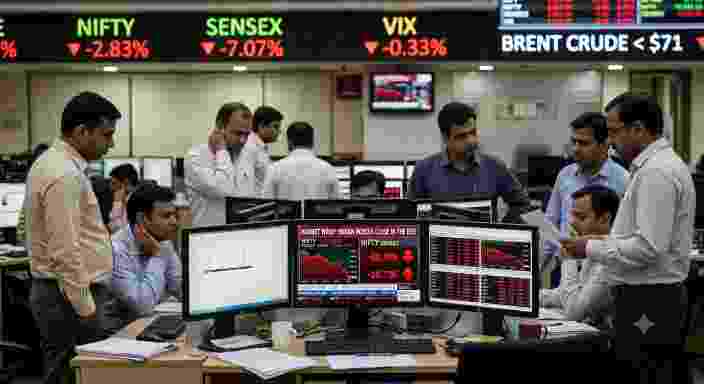
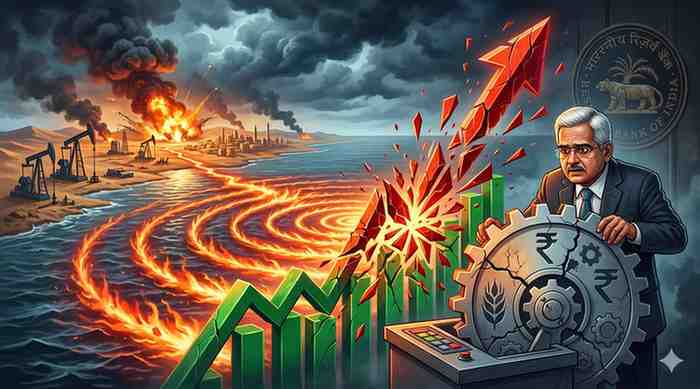
The Reserve Bank of India has issued a formal warning that escalating conflict in West Asia poses material risks to India’s inflation trajectory through energy price transmission channels. This intervention signals the central bank is preparing markets for a potential pause in rate cuts and marks a decisive shift toward inflation vigilance over growth accommodation.
New Delhi, April 2025 — The RBI’s inflation risk assessment arrives as Brent crude prices have climbed past $92 per barrel, driven by supply disruption fears following intensified military activity near critical Strait of Hormuz shipping lanes. India imports approximately 85% of its crude oil requirements, making the economy acutely vulnerable to sustained energy price shocks that feed directly into transportation costs, manufacturing inputs, and ultimately consumer prices.
What Is Driving the RBI’s Concern?
The central bank’s warning centres on the pass-through effect of elevated energy costs across India’s production ecosystem. Crude oil serves as a foundational input for fertilisers, plastics, logistics, and power generation. RBI’s internal models suggest every $10 per barrel increase in crude prices adds approximately 30-40 basis points to headline inflation within two quarters. The West Asia conflict has disrupted this calculus precisely when the Monetary Policy Committee had signalled comfort with the disinflation trajectory.
What Does This Mean for India’s Interest Rate Path?
The RBI’s hawkish pivot effectively closes the window for near-term rate cuts that markets had priced in following February’s 25 basis point reduction. Governor Shaktikanta Das has historically demonstrated low tolerance for supply-side inflation surprises, having held rates steady through much of 2022-23 despite growth concerns. Bond markets have already responded, with the 10-year government security yield climbing 12 basis points to 7.18% in anticipation of prolonged policy tightness. Mortgage borrowers and corporate treasuries should factor in an extended pause scenario lasting through the monsoon assessment period.
How Does This Compare to Previous Energy Shocks?
India’s last significant oil-driven inflation episode occurred during the Russia-Ukraine conflict in early 2022, when crude briefly touched $130 per barrel. The RBI responded with a cumulative 250 basis points of rate hikes between May 2022 and February 2023. The current situation differs materially—inflation remains closer to the 4% target versus the 7%+ readings of 2022—but the central bank appears determined to act pre-emptively rather than reactively.
- India’s crude import bill reached $157 billion in FY24, representing 4.5% of GDP
- Current account deficit could widen by 0.5-0.7% of GDP if oil sustains above $95 per barrel
- Retail inflation stood at 4.85% in March 2025, within RBI’s tolerance band but above the 4% target
- The rupee has depreciated 2.1% against the dollar since conflict escalation began
- Strategic petroleum reserves cover approximately 9.5 days of consumption, limiting buffer capacity
What Should Investors and Businesses Watch?
Market participants should monitor three indicators: daily crude price movements relative to the $95 per barrel threshold, the government’s response on fuel excise duties, and the June MPC statement’s language on inflation expectations. The Centre retains fiscal headroom from earlier duty cuts during 2022 that could partially absorb imported price pressures. Corporate margins in energy-intensive sectors—aviation, cement, chemicals—face compression risk if current prices sustain beyond Q2 FY26.
Analyst’s View
The RBI’s public flagging of inflation risks represents deliberate forward guidance designed to anchor expectations before price data deteriorates visibly. This communication strategy suggests the central bank is prioritising credibility preservation over short-term growth accommodation. The critical variable remains conflict duration—a swift de-escalation could restore the easing bias, but prolonged disruption would force the RBI toward an explicitly hawkish stance by October. India’s monetary policy has entered a holding pattern, with external geopolitics now exercising veto power over domestic rate decisions.