Compliance vs. Diplomacy: Adani Airports Halts Russian Cargo in Mumbai
- Editor
- November 25, 2026
- Uncategorized
- 0 Comments
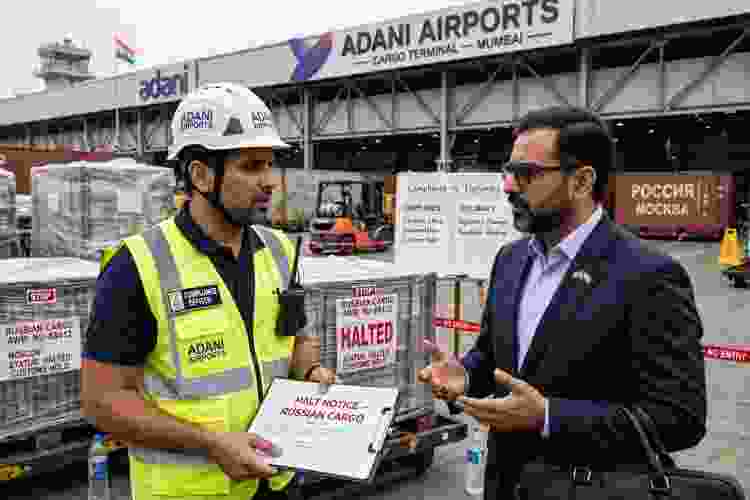
Mumbai, November 2026 — A sudden operational standoff has gripped Mumbai International Airport after Adani Airports suspended cargo handling for Russian carriers, including Aeroflot and Volga-Dnepr. What the airport operator frames as routine compliance with U.S. sanctions has quickly exposed a growing friction between corporate risk management and India’s longstanding ties with Moscow.
Stranded Cargo and Mounting Bills
The abrupt suspension has left air freight sitting idle inside Mumbai’s cargo warehouses, with shippers facing steadily rising demurrage charges. The restrictions extend beyond current terminals as well: a charter slot allocated to Russian cargo specialist Volga-Dnepr at the upcoming Navi Mumbai airport has also been withdrawn.
Why Adani Drew the Line
Adani Airports cited compliance with U.S. Office of Foreign Assets Control (OFAC) sanctions for the halt. Behind that decision lies a straightforward commercial calculation.
Having recently secured major funding from U.S. institutional investors and cleared key regulatory hurdles to expand in the American market, the Adani Group cannot afford to trigger secondary U.S. penalties. For a conglomerate actively courting Western capital and infrastructure opportunities, strict adherence to Washington’s sanctions regime has become non-negotiable.
Corporate Compliance Meets Indian Diplomacy
That boardroom caution, however, sits awkwardly alongside New Delhi’s broader foreign policy. India has carefully preserved its strategic and commercial relationship with Russia despite Western pressure. When a major private operator enforces U.S. sanctions on Indian soil, it highlights the widening gap between global financial rules and national diplomatic priorities.
Freight Operators Seek Government Intervention
Caught in the crossfire are freight agents and logistics firms left scrambling to clear stranded shipments. With no immediate resolution in sight and storage penalties piling up, industry players have turned to India’s Ministry of Civil Aviation, pressing for urgent clarification and intervention.
The Tightrope Ahead
The Mumbai cargo freeze is a clear preview of the pressures facing India’s biggest conglomerates. As domestic giants deepen their ties with U.S. capital markets, navigating the space between Washington’s regulatory reach and New Delhi’s trade partnerships is becoming harder—and far more expensive—to balance.