Volatility Ahead: Indian Stock Market Faces Headwinds Amid Global Economic Concerns
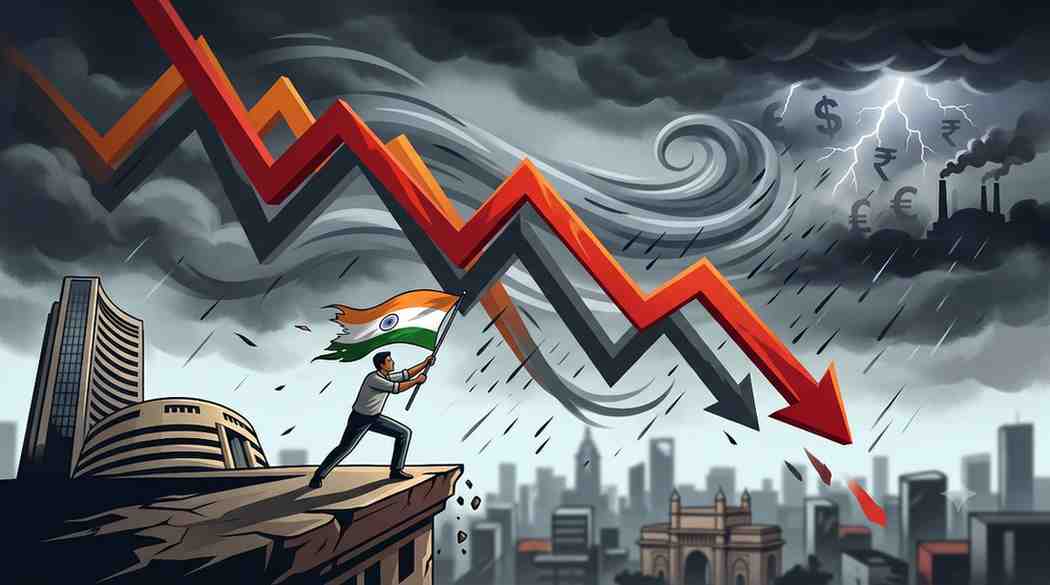
Indian markets are expected to experience volatility next week, with both the Sensex and Nifty likely to trade under a negative bias. Investors should prepare for potential fluctuations driven by domestic and global economic factors.
New Delhi, July 2026 — The Indian stock market is bracing for a tumultuous week, as analysts predict that the Sensex and Nifty indices will face increased volatility amid a backdrop of global economic concerns and domestic policy challenges. Recent trends indicate that investor sentiment may be swayed by international market dynamics, inflationary pressures, and domestic monetary policy actions.
What Is Driving This?
Market analysts attribute the anticipated volatility to several key drivers. Firstly, ongoing geopolitical tensions globally are impacting investor confidence. Secondly, domestic inflation has remained stubbornly high, compelling the Reserve Bank of India (RBI) to maintain a cautious stance on interest rates. Lastly, corporate earnings reports are expected to reveal mixed performance, which may further fuel market uncertainty.
What Does This Mean for India?
The projected negative bias in Indian markets may have significant implications for various stakeholders. Investors could face increased risk, impacting their portfolio strategies and asset allocation. Policymakers might need to reassess their economic strategies to foster stability and growth. Citizens could feel the effects through reduced consumer confidence and spending, potentially slowing down economic recovery.
How Does This Compare Globally?
Globally, markets are grappling with similar challenges, including inflationary pressures and interest rate hikes. For instance, major indices in the U.S. and Europe have experienced fluctuations due to mixed economic data and central bank signals. Comparatively, India’s market resilience has been notable, yet the current environment poses risks that could align it more closely with global trends of volatility and uncertainty.
What Should Investors Watch?
- Key economic indicators: Inflation rate, GDP growth, and unemployment figures.
- Central bank statements: Any shifts in monetary policy from the RBI will be critical.
- Corporate earnings: Performance reports from major companies could impact market sentiment.
- Global cues: Developments in international markets and geopolitical stability.
- Sector performance: Specific sectors may react differently to current economic conditions.
Analyst’s View
Analysts recommend a cautious approach for investors navigating the upcoming week. Maintaining a diversified portfolio will be crucial in mitigating risks associated with potential market swings. It is advisable to closely monitor economic indicators and corporate earnings as they will significantly influence market trajectories. Strategic positioning based on sectoral performance may also provide opportunities for investors to capitalize on short-term fluctuations while remaining aware of the broader economic landscape.