Stalemate in Superpower Relations: Analyzing the US-Russia Diplomatic Standstill
- admin
- August 1, 2026
- Uncategorized
- 0 Comments
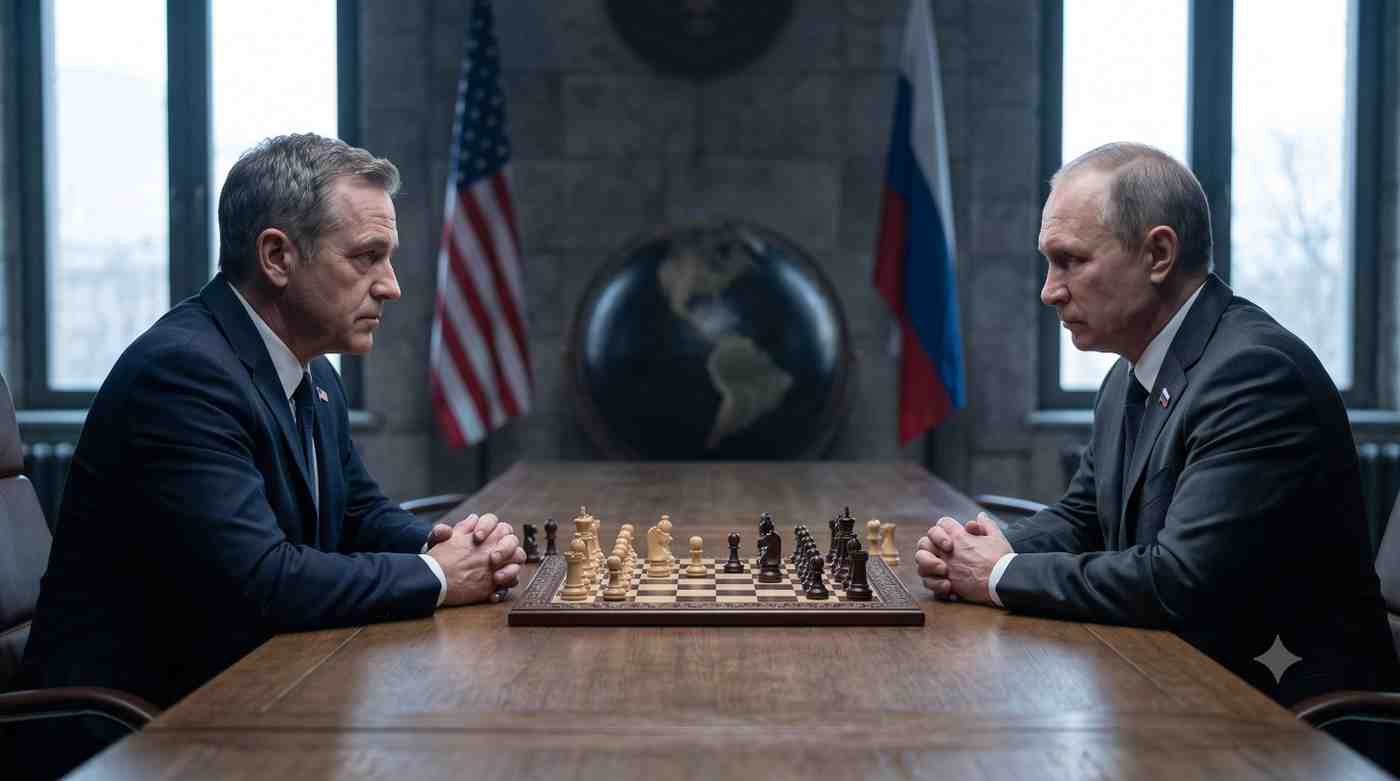
The current impasse between the United States and Russia stems from entrenched geopolitical rivalries and mutual distrust, complicating any potential diplomatic resolutions. As both nations pursue divergent interests, the global ramifications of this standoff are profound, impacting everything from security alliances to economic stability.
New Delhi, August 2026 — The failure to secure a new arms control agreement between the United States and Russia signifies a critical juncture in global geopolitics. With both nations entrenched in their respective positions, the implications extend beyond mere diplomatic rhetoric, influencing military strategies and international alliances.
What Is Driving This?
The US-Russia standoff is primarily driven by historical grievances and contemporary strategic interests. The US perceives Russian actions in Ukraine and Syria as aggressive moves that threaten the established international order. Conversely, Russia views NATO’s eastward expansion as a direct threat to its sovereignty. This antagonistic backdrop has rendered meaningful dialogue elusive, as both nations assert their influence in a multipolar world.
What Does This Mean for India?
India finds itself in a precarious position amidst the US-Russia standoff. As a member of the BRICS bloc and a significant partner to both nations, India must navigate its foreign policy with caution. The ongoing tension could jeopardize India’s defense procurement from Russia and complicate its strategic partnerships with the US, particularly in the Indo-Pacific region.
How Does This Compare Globally?
The US-Russia impasse reflects a broader trend of rising geopolitical tensions globally. Similar standoffs can be observed in the US-China relationship, where trade wars and military posturing dominate discourse. Countries like Iran and North Korea leverage these tensions to enhance their bargaining power, while smaller nations face increased pressure to align with one of the two superpowers, often at the cost of their own sovereignty.
What Should Investors Watch?
Investors should closely monitor shifts in energy markets as the US-Russia tensions could lead to volatility. Key areas to observe include:
- Energy prices: Sanctions and geopolitical instability can drive oil and gas prices higher.
- Defense spending: Increased military budgets may provide opportunities in the defense sector.
- Emerging markets: Countries caught between the US and Russia may experience capital flight or increased risk premiums.
- Currency fluctuations: The ruble and the dollar may face significant volatility in the wake of escalated tensions.
Analyst’s View
The ongoing US-Russia standoff is unlikely to resolve in the near term, given the deep-seated mistrust and geopolitical calculations at play. Stakeholders, including policymakers and investors, must brace for a protracted period of uncertainty. As both nations continue to assert their influence, the global landscape will remain fraught with challenges, compelling countries like India to adopt adaptive strategies that safeguard their interests in an increasingly polarized world.