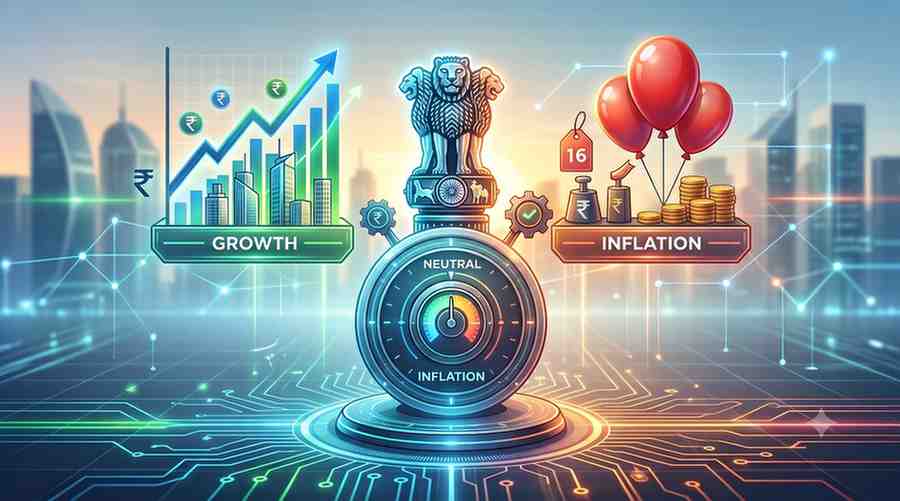
RBI’s Decision to Maintain Repo Rate: A New Paradigm in Growth and Inflation Management
The Reserve Bank of India (RBI) has decided to keep the repo rate unchanged, signaling a deliberate pivot towards fostering economic growth amid rising GDP projections. This strategic pause reflects a nuanced approach to balancing inflation with recovery post-pandemic.
New Delhi, August 2026 — The RBI’s latest monetary policy meeting concluded with the decision to maintain the repo rate at 6.50%, defying market expectations for a potential hike. This decision comes on the heels of a robust GDP growth forecast, projected at 7.2% for the fiscal year, indicating that the central bank is prioritizing economic stability over aggressive inflation control.
What Is Driving This?
The RBI’s decision stems from a complex interplay of factors. First, inflation rates have shown signs of moderation, currently averaging around 4.8%, which provides the RBI with room to avoid tightening monetary policy. Second, the global economic landscape remains turbulent, with many advanced economies grappling with recessionary pressures, thereby necessitating a cautious approach to interest rates.
What Does This Mean for India?
This policy stance suggests that the RBI is fully aware of the need to stimulate domestic demand, especially as inflationary pressures begin to ease. A stable repo rate encourages borrowing and investment, which is critical for sustaining the current GDP growth momentum. Additionally, this move reassures businesses and consumers of a supportive economic environment, fostering confidence in the recovery trajectory.
How Does This Compare Globally?
Globally, central banks are adopting varied strategies in response to inflation and growth challenges. The Federal Reserve, for instance, has increased rates aggressively in response to persistent inflation, while the European Central Bank remains cautious. India’s decision to maintain its rate contrasts sharply with these trends, positioning the RBI as an outlier focused on growth rather than solely combating inflation.
What Should Investors Watch?
Investors should monitor several key indicators following this decision. Firstly, watch for changes in consumer spending patterns, which can signal the effectiveness of the RBI’s strategy. Secondly, observe any shifts in foreign direct investment flows, as a stable monetary policy may attract more capital. Thirdly, keep an eye on inflation forecasts, as any sudden uptick could compel the RBI to reassess its stance.
- RBI maintains repo rate at 6.50% as of August 2026.
- India’s GDP growth forecast stands at 7.2% for the fiscal year.
- Current inflation averages around 4.8%, allowing some flexibility for monetary policy.
- Global central banks are largely focused on rate hikes to combat inflation.
- Investors should watch for shifts in consumer spending and FDI flows.
Analyst’s View
The RBI’s current monetary policy reflects a strategic balancing act between fostering growth and maintaining price stability. While the unchanged repo rate supports economic recovery, stakeholders must remain vigilant to any signs of inflationary resurgence, which could prompt a shift in the RBI’s approach. The coming months will be critical in determining the effectiveness of this policy in sustaining India’s growth trajectory.