India’s Strategic Offerings to the United States: An Analytical Perspective
- admin
- August 1, 2026
- Uncategorized
- 0 Comments
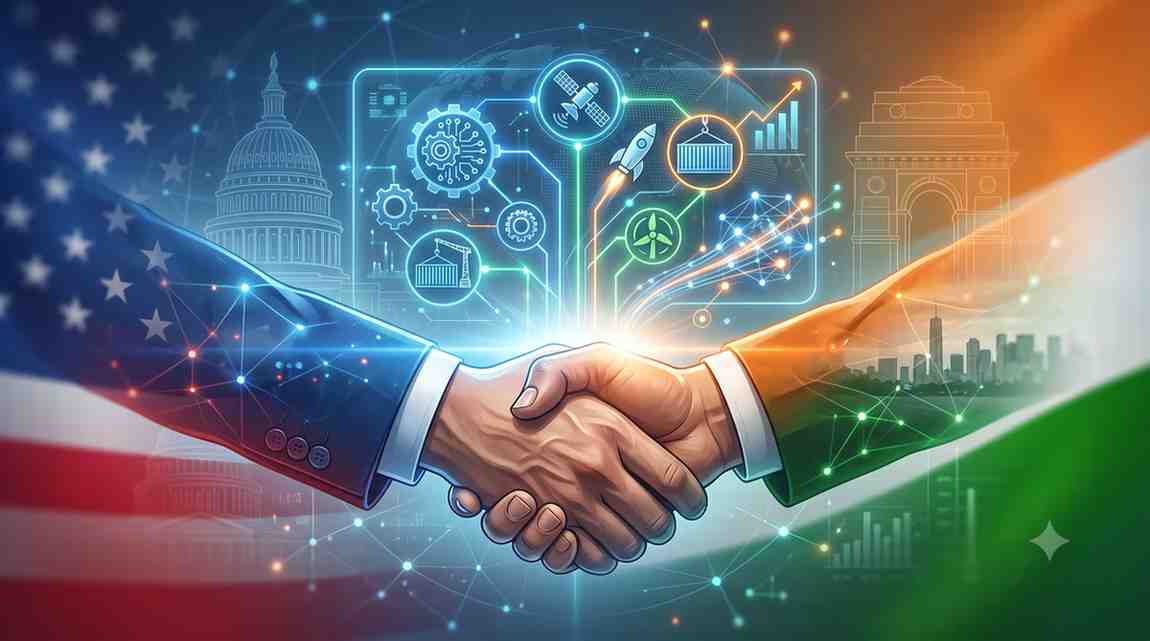
India can offer America a diverse range of strategic partnerships, including robust economic collaboration, technology transfer, and geopolitical alignment amidst shifting global dynamics. These offerings position India as a pivotal ally for the U.S. in enhancing its influence in Asia.
New Delhi, August 2026 — India is increasingly viewed as a crucial partner for the United States, especially in the context of counterbalancing China’s rising influence in Asia. The U.S. seeks allies that can provide not just market access but also geopolitical stability, and India’s democratic values and economic potential play a significant role in this relationship.
What Is Driving This?
India’s strategic offer is primarily driven by its rapidly growing economy and its role as a democratic counterweight to authoritarian regimes. The U.S. recognizes India’s potential in sectors like technology, defense, and renewable energy, which align with its own national interests. Additionally, the ongoing geopolitical tensions in the Indo-Pacific region necessitate stronger bilateral ties to ensure regional stability. India’s participation in multilateral forums such as QUAD further underscores its commitment to shared security interests with the U.S.
What Does This Mean for India?
India stands to benefit significantly from its alliance with the U.S., particularly in attracting foreign investment and enhancing its technological capabilities. This partnership can lead to job creation and infrastructure development, bolstering India’s economic growth. Furthermore, India’s alignment with U.S. policies may facilitate access to advanced military technologies, strengthening its defense capabilities amidst regional threats. However, India must navigate its relationships with other countries, particularly Russia and China, to maintain a balanced foreign policy.
How Does This Compare Globally?
Globally, India’s relationship with the U.S. positions it favorably compared to other emerging economies. While countries like Brazil and South Africa seek similar partnerships, India’s established democratic framework and strategic location in Asia provide it with unique advantages. According to the latest World Bank data, India’s GDP growth is projected at 6.5% for 2026, making it one of the fastest-growing major economies, which further enhances its appeal as a partner in global trade and investment.
- India’s GDP growth rate is projected at 6.5% for 2026.
- U.S.-India bilateral trade reached $146 billion in 2025.
- India is the third-largest recipient of foreign direct investment (FDI) globally.
- Over 200 Indian companies are now listed on U.S. stock exchanges.
- India’s population is expected to exceed 1.5 billion by 2027, providing a vast consumer market.
Analyst’s View
India’s strategic offerings to the U.S. are poised to reshape regional dynamics significantly. As India continues to enhance its capabilities and leverage its demographic advantages, it must also address domestic challenges such as infrastructure deficits and socio-economic disparities. The success of this partnership will ultimately depend on India’s ability to balance its foreign relations while fostering sustainable economic growth.