US-Saudi Nuclear Deal: A Strategic Shift in Geopolitical Alliances
- admin
- July 30, 2026
- Uncategorized
- 0 Comments
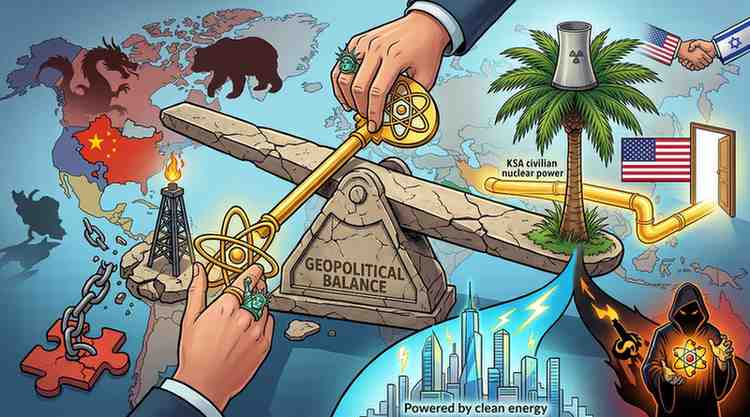
The recent nuclear pact between the United States and Saudi Arabia signifies a pivotal shift in global geopolitics, elevating Saudi Arabia’s status as a key player in nuclear energy. This agreement not only strengthens bilateral ties but raises concerns about regional stability and the proliferation of nuclear technology.
New Delhi, July 2026 — The US-Saudi nuclear pact marks a significant turning point in international relations, as both nations aim to address energy security and diversify away from fossil fuels. The agreement seeks to provide Saudi Arabia with advanced nuclear technology, positioning the kingdom as a leader in nuclear energy within the Middle East. This shift underscores a broader geopolitical strategy that intertwines energy needs with national security concerns.
What Is Driving This?
The US-Saudi nuclear pact is driven by multiple factors, including the urgent need for clean energy alternatives and the geopolitical landscape shaped by Iran’s nuclear ambitions. The United States is keen to ensure that Saudi Arabia, a major oil exporter, transitions towards a more sustainable energy model while containing Iranian influence in the region. Furthermore, this agreement aligns with Washington’s broader strategy of enhancing partnerships with Gulf states to counterbalance adversarial powers.
What Does This Mean for India?
The US-Saudi nuclear pact may have significant implications for India, particularly given its own energy security challenges and aspirations for nuclear cooperation. India could find itself recalibrating its diplomatic strategies as it navigates the shifting alliances in the Middle East. Additionally, India’s reliance on energy imports from the Gulf could become more complex, prompting a reassessment of its foreign policy priorities to maintain stability in its energy supply chain.
How Does This Compare Globally?
Globally, the US-Saudi nuclear agreement places the US at the forefront of nuclear energy diplomacy, setting a precedent that may influence other nations seeking similar partnerships. This development places pressure on countries like Russia and China, which have traditionally dominated nuclear technology exports. Observers note that an influx of nuclear capability in the Middle East could ignite a regional arms race, with nations such as Egypt and Turkey likely to seek similar arrangements.
What Should Investors Watch?
Investors should monitor several key indicators stemming from the US-Saudi nuclear pact. First, fluctuations in oil prices could arise as Saudi Arabia shifts its focus towards nuclear energy. Second, the potential for new investments in nuclear infrastructure may open avenues for companies involved in energy technology and construction. Third, geopolitical tensions in the region may impact market stability, necessitating a close watch on developments in Iran and other Gulf states.
- The nuclear pact aims to enhance Saudi Arabia’s energy security while reducing dependence on fossil fuels.
- Saudi Arabia plans to develop 16 nuclear reactors by 2040.
- The deal is viewed as part of a broader US strategy to counter Iranian influence.
- The global nuclear energy market is projected to grow significantly, with an estimated value of $1 trillion by 2030.
- Concerns about nuclear proliferation in the Middle East are heightened by this agreement.
Analyst’s View
The US-Saudi nuclear pact represents a strategic recalibration of energy diplomacy that could reshape the balance of power in the Middle East. As both nations pursue their energy and security goals, the implications for regional stability and global energy markets will be profound. Stakeholders across various sectors must remain vigilant as this geopolitical shift unfolds, with a keen eye on the broader ramifications for international relations and energy dynamics.