Beijing and Moscow’s Calculated Neutrality on Iran Conflict Reveals Shifting Great Power Alignments
- admin
- April 26, 2026
- Uncategorized
- 0 Comments
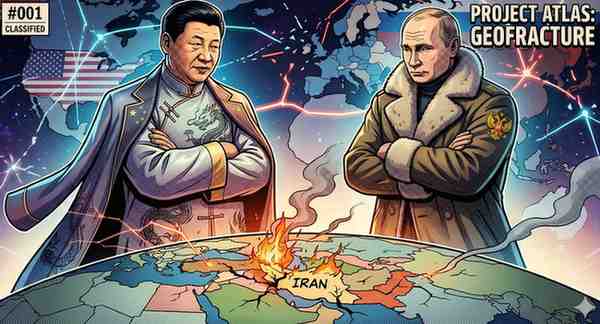
China and Russia have adopted carefully calibrated rhetorical positions on the ongoing Iran conflict, avoiding direct military commitments while using the crisis to criticise American interventionism. Their statements reveal a strategic hedging approach that prioritises economic interests and regional influence over alliance obligations.
New Delhi, April 2026 — As military operations intensify across the Persian Gulf, the diplomatic responses from Beijing and Moscow have become critical indicators of how the post-Ukraine global order is crystallising, with both powers demonstrating that transactional partnerships trump ideological solidarity even within the so-called anti-Western bloc.
What Are China and Russia Actually Saying?
Chinese Foreign Ministry statements have consistently called for “restraint from all parties” while emphasising the need to protect civilian infrastructure and energy supply chains. Russian officials have been marginally more supportive of Tehran, condemning what they term “unprovoked aggression,” yet neither power has offered concrete security guarantees or military assistance beyond existing contractual obligations. The linguistic precision in these statements suggests extensive coordination between Beijing and Moscow, calibrated to maximise diplomatic leverage without triggering secondary sanctions or endangering commercial relationships with Gulf Arab states.
What Is Driving This Calculated Ambiguity?
China’s $400 billion strategic partnership with Iran, signed in 2021, notably excluded mutual defence provisions despite Iranian expectations. Beijing’s oil imports from Saudi Arabia and the UAE collectively exceed Iranian volumes by a factor of three, making any decisive tilt toward Tehran economically irrational. Russia’s own calculations involve preserving its role as a swing producer in global energy markets, where Iranian supply disruptions paradoxically benefit Russian export revenues. Both nations recognise that overt support for Iran would accelerate Western efforts to decouple critical supply chains from their economies.
How Does This Compare to Previous Crises?
The current positioning marks a significant departure from the 2020 Soleimani crisis, when both China and Russia issued stronger condemnations of American actions. During the 2015 nuclear agreement negotiations, Beijing played an active diplomatic role that it has conspicuously avoided reprising. Moscow’s rhetoric, while hostile to Washington, remains notably softer than its statements during the 2003 Iraq invasion, when Putin explicitly condemned regime change operations.
- Chinese crude imports from Iran averaged 1.2 million barrels daily in Q1 2026, representing only 11% of total imports
- Russia has declined three Iranian requests for advanced S-400 battery transfers since hostilities began
- Shanghai Cooperation Organisation members have not convened an emergency summit despite Iranian membership since 2023
- Chinese investment in UAE ports exceeds $15 billion, compared to $4 billion in Iranian infrastructure projects
- Neither Beijing nor Moscow has recalled ambassadors from Washington or implemented retaliatory diplomatic measures
What Does This Mean for India?
New Delhi faces a complex navigation challenge as traditional Chabahar port investments become vulnerable while simultaneously presenting opportunities. Indian refiners have increased spot purchases of discounted Iranian crude through rupee-denominated channels, echoing strategies deployed during previous sanctions regimes. The Ministry of External Affairs has maintained deliberate silence, recognising that India’s strategic autonomy doctrine permits quiet commercial engagement without diplomatic exposure. Indian defence planners are closely monitoring whether Chinese-Russian restraint reflects genuine strategic divergence within the BRICS-plus framework or merely tactical patience.
Analyst’s View
The Iran conflict is exposing the fundamental brittleness of anti-Western coalitions built on convenience rather than conviction. China and Russia are demonstrating that their partnerships with Iran remain transactional instruments rather than alliance commitments, a pattern that should inform how observers assess BRICS cohesion on other flashpoints. Watch for Beijing’s position on post-conflict reconstruction contracts and Moscow’s stance on sanctions relief negotiations—these will reveal whether the current ambiguity represents temporary hedging or permanent recalibration of great power alignments in West Asia.