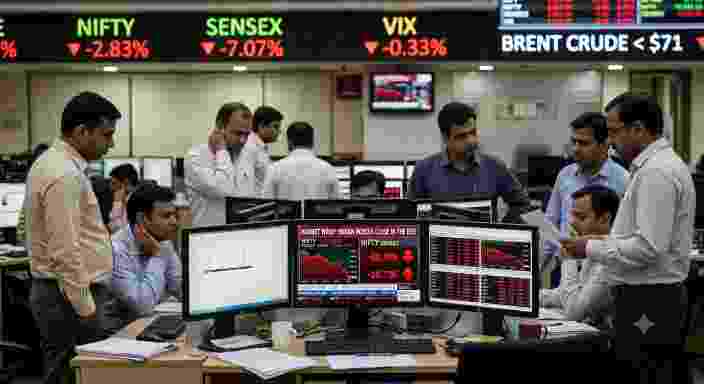
Dollar Weakness on Iran Diplomacy Signals Shift in Global Risk Appetite and Rupee Dynamics
- admin
- April 16, 2026
- Uncategorized
- 0 Comments
The US dollar has declined to a six-week low as renewed diplomatic engagement between Washington and Tehran reduces geopolitical risk premiums in currency markets. This softening creates a complex calculus for emerging market currencies including the Indian rupee, potentially easing import costs while reshaping capital flow patterns.
New Delhi, April 2025 — The US Dollar Index approached its lowest level in six weeks on Wednesday, driven primarily by market optimism surrounding renewed Iran nuclear negotiations, a development that recalibrates risk sentiment across global currency and commodity markets with direct implications for India’s external account dynamics.
What Is Driving the Dollar’s Decline?
The dollar’s weakness stems from diminished geopolitical risk premium as diplomatic channels between the United States and Iran show signs of progress. Currency traders typically bid up the dollar during periods of Middle East tension, treating it as a safe-haven asset. The prospect of successful negotiations reduces demand for dollar-denominated safety, pushing capital toward higher-yielding emerging market assets. The last comparable diplomatic-driven dollar softening occurred during the 2015 Iran nuclear deal negotiations, when the Dollar Index fell nearly 4% over two months.
What Does This Mean for India?
India’s economy stands to benefit from dollar weakness through multiple transmission channels. A softer dollar typically correlates with lower crude oil prices, directly benefiting India’s import bill given the country purchases over 80% of its petroleum requirements from abroad. The Reserve Bank of India gains additional room to manage rupee volatility without depleting foreign exchange reserves. Indian IT services exporters and pharmaceutical companies with dollar-denominated revenues may face margin compression, requiring hedging strategy adjustments.
How Does This Compare to Previous Episodes?
The current dollar softening differs from the 2020 pandemic-driven weakness in its geopolitical rather than monetary origins. During 2020-2021, the Federal Reserve’s aggressive rate cuts drove dollar depreciation, whereas today’s move reflects risk recalibration without Fed policy shifts. Historical data shows that diplomacy-driven dollar weakness tends to be shorter-lived than monetary policy-driven moves, typically lasting 4-8 weeks before mean reversion. The Dollar Index currently trades approximately 3.2% below its February 2025 peak.
- Dollar Index has fallen to six-week lows, declining approximately 2.1% from recent highs
- Brent crude prices have softened 4.3% on reduced supply disruption fears tied to Iran diplomacy
- Indian rupee has strengthened 0.8% against the dollar over the past week
- Foreign portfolio investors turned net buyers in Indian equities, with ₹4,200 crore inflows in the past five trading sessions
- Gold prices have declined 1.9% as safe-haven demand diminishes
What Should Investors Watch?
Currency strategists should monitor three key indicators in coming weeks. The trajectory of Iran-US talks remains paramount, with any breakdown likely triggering rapid dollar recovery. Federal Reserve commentary on inflation expectations could override geopolitical factors if policymakers signal hawkish intent. Indian foreign exchange reserve movements will indicate whether the RBI is accumulating dollars during this period of rupee strength, building buffers for future volatility.
Analyst’s View
The dollar’s geopolitically-driven weakness presents a tactical opportunity rather than structural shift for Indian policymakers and corporate treasuries. The RBI would be prudent to accumulate reserves during this window while hedging costs remain compressed. Indian importers should consider extending dollar payment cycles, while exporters may benefit from accelerating receivable conversions. The durability of this move hinges entirely on diplomatic outcomes — markets should price in reversal risk given the historically fragile nature of Iran-related negotiations. Fund managers should treat current conditions as a volatility compression phase preceding potential sharp moves in either direction.