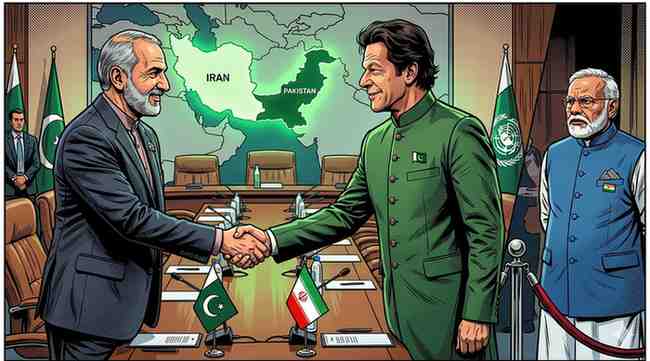
Why Pakistan Is Leading Iran Diplomacy While India Watches From the Sidelines
- admin
- April 28, 2026
- Uncategorized
- 0 Comments
Pakistan has emerged as a critical diplomatic intermediary in the escalating Iran crisis, leveraging its geographic position and historical ties to Tehran, while India has opted for strategic silence despite its substantial energy and connectivity interests in the region. New Delhi’s cautious approach reflects its delicate balancing act between Washington’s pressure and its own long-term stakes in Chabahar port and Iranian energy supplies.
New Delhi, April 2025 — The current Iran crisis has exposed a fundamental divergence in how South Asia’s two major powers approach regional flashpoints, with Islamabad assuming an unexpectedly prominent mediating role while New Delhi maintains a studied diplomatic distance that risks marginalising Indian interests in a strategically vital theatre.
What Is Driving Pakistan’s Diplomatic Prominence?
Pakistan shares a 959-kilometre border with Iran and maintains functional diplomatic channels with Tehran despite sectarian tensions and occasional border skirmishes. Islamabad’s military establishment views itself as a natural interlocutor given Pakistan’s relationships with both Gulf Arab states and Iran. The Pakistani foreign ministry has conducted multiple shuttle diplomacy missions in recent weeks, positioning Rawalpindi as an indispensable crisis manager rather than a passive observer.
Why Has India Chosen Strategic Silence?
India’s muted response stems from its increasingly close defence and technology partnership with the United States, which has imposed maximum pressure on Tehran. New Delhi invested over $500 million in developing Iran’s Chabahar port as an alternative route to Afghanistan and Central Asia, bypassing Pakistan entirely. The Modi government faces the uncomfortable reality that vocal support for Iran could trigger secondary sanctions, while abandoning Chabahar would surrender strategic ground to Chinese-operated Gwadar port just 170 kilometres away. India’s External Affairs Ministry has issued only perfunctory statements calling for de-escalation, avoiding any substantive diplomatic engagement.
What Are the Strategic Stakes for Both Nations?
The crisis carries asymmetric consequences for India and Pakistan across multiple dimensions. India imported approximately 10% of its crude oil from Iran before American sanctions forced a halt in 2019, and any resolution could reopen this energy corridor. Pakistan seeks to revive the Iran-Pakistan gas pipeline, a $7.5 billion project stalled for over a decade due to American objections. Both nations must also consider how their positioning affects relations with Gulf Cooperation Council states, which collectively host over 12 million South Asian workers.
- Pakistan shares a 959-km land border with Iran; India’s nearest point is across the Arabian Sea
- India has invested $500 million in Chabahar port development since 2016
- Iranian oil constituted 10% of India’s crude imports before 2019 sanctions
- The Iran-Pakistan pipeline project remains stalled at $7.5 billion estimated cost
- Over 8 million Indian nationals and 4 million Pakistanis work in Gulf states potentially affected by regional escalation
How Does This Compare to Previous Regional Crises?
India’s current reticence contrasts sharply with its active diplomacy during the 1990s Afghan civil war and its engagement during the 2016 Saudi-Iran diplomatic rupture. The last comparable instance of Indian diplomatic passivity in West Asia occurred during the 2003 Iraq invasion, when New Delhi declined American requests for troop deployments but offered little alternative framework. Pakistan, conversely, has reprised its 1980s role as a frontline state, calculating that diplomatic relevance translates into strategic leverage and potential economic assistance from Gulf patrons.
Analyst’s View
India’s strategic silence represents a calculated gamble that the crisis will resolve without requiring New Delhi to choose between Washington and its own regional interests. This approach carries substantial risks: prolonged Indian absence from mediation efforts could result in any eventual settlement framework excluding Chabahar from sanctions relief or transit arrangements. Observers should monitor whether the External Affairs Ministry upgrades its diplomatic engagement as the crisis evolves, and whether Pakistan’s intermediary role translates into tangible economic concessions from Tehran or Gulf capitals. The next 60 days will likely determine whether India’s caution proves prudent restraint or costly abdication.