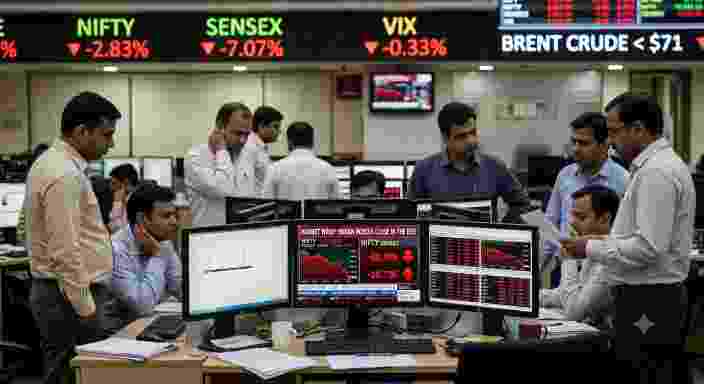
Global Liquidity Crunch Deepens as Central Banks Retreat from Easy Money Era
- admin
- April 20, 2026
- Uncategorized
- 0 Comments
The global financial system is experiencing a severe liquidity contraction as major central banks simultaneously tighten monetary conditions, marking the definitive end of the post-2008 easy money era. This coordinated withdrawal of capital is creating acute funding pressures across emerging and developed markets alike, with implications for asset valuations, credit availability, and economic growth trajectories.
New Delhi, April 2025 — The transformation from abundant global liquidity to constrained capital flows represents the most significant monetary regime shift since the 2008 financial crisis, with central bank balance sheets contracting at an unprecedented pace and interbank lending rates climbing to levels not witnessed in over fifteen years.
What Is Driving This Liquidity Reversal?
The Federal Reserve’s quantitative tightening programme has now removed over $1.5 trillion from its balance sheet since peak levels in 2022, while the European Central Bank has simultaneously wound down its emergency pandemic facilities. The Bank of Japan’s gradual pivot away from yield curve control has eliminated the last major source of ultra-cheap global funding. Central banks collectively are prioritising inflation containment over market stability, a stance that marks a fundamental departure from the interventionist approach that defined the 2010-2022 period.
What Does This Mean for India?
Indian financial markets face heightened vulnerability as foreign portfolio investors reassess emerging market allocations in a higher-yield developed market environment. The Reserve Bank of India has already witnessed intermittent rupee pressure, necessitating periodic intervention to manage volatility. Indian corporates with dollar-denominated debt face elevated refinancing costs, with the average borrowing spread for investment-grade Indian issuers widening by approximately 80 basis points over the past twelve months. Domestic banks may encounter tighter wholesale funding conditions, potentially constraining credit growth in interest-sensitive sectors such as real estate and infrastructure.
How Does This Compare Globally?
Emerging markets with current account deficits and significant external debt exposure are experiencing disproportionate stress compared to surplus economies. Turkey, Argentina, and Egypt have faced acute currency crises, while even relatively resilient economies like Brazil and South Africa have seen borrowing costs surge. India’s position remains comparatively stable due to substantial foreign exchange reserves exceeding $600 billion and a manageable external debt profile, though the cushion is thinner than during previous tightening cycles.
- Global central bank balance sheets have contracted by approximately $3 trillion from 2022 peaks
- The US federal funds rate stands at its highest level since 2007
- Emerging market debt outflows exceeded $45 billion in the first quarter of 2025
- Corporate default rates globally have risen to 4.2%, the highest since 2020
- India’s forex reserves provide approximately 10 months of import cover, down from 14 months in 2021
What Should Investors Watch?
Credit spreads in both investment-grade and high-yield segments warrant close monitoring as leading indicators of broader financial stress. Currency movements in vulnerable emerging markets often presage contagion risks that eventually affect higher-quality sovereigns. The trajectory of US Treasury yields remains the single most important variable for global capital allocation decisions. Indian government bond yields and the rupee-dollar exchange rate will serve as primary barometers of external pressure transmission to domestic markets.
Analyst’s View
The current liquidity drought is structural rather than cyclical, reflecting a fundamental recalibration of central bank priorities toward price stability after a decade of accommodation. Indian policymakers and corporate treasurers must operate under the assumption that cheap global capital will remain scarce through at least 2026. The key variable to monitor is whether liquidity tightening triggers credit events in leveraged sectors globally, which could force central banks into an uncomfortable choice between inflation targets and financial stability mandates. Investors should position for elevated volatility and maintain defensive allocations until clearer signals emerge on the terminal point of this tightening cycle.