IMF Warning on Middle East Conflict: How Regional Warfare Threatens Global GDP Trajectory in 2025
- admin
- April 15, 2026
- Uncategorized
- 0 Comments
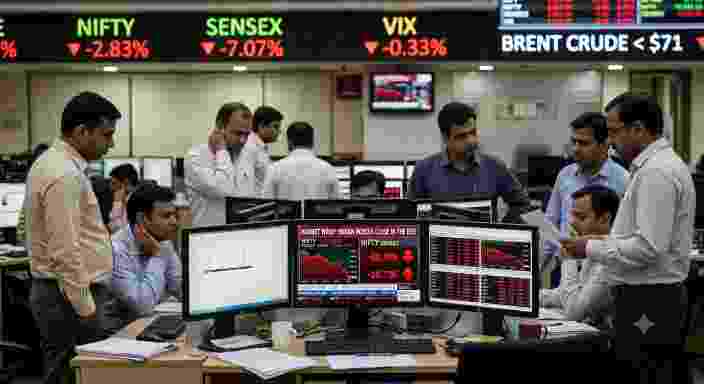
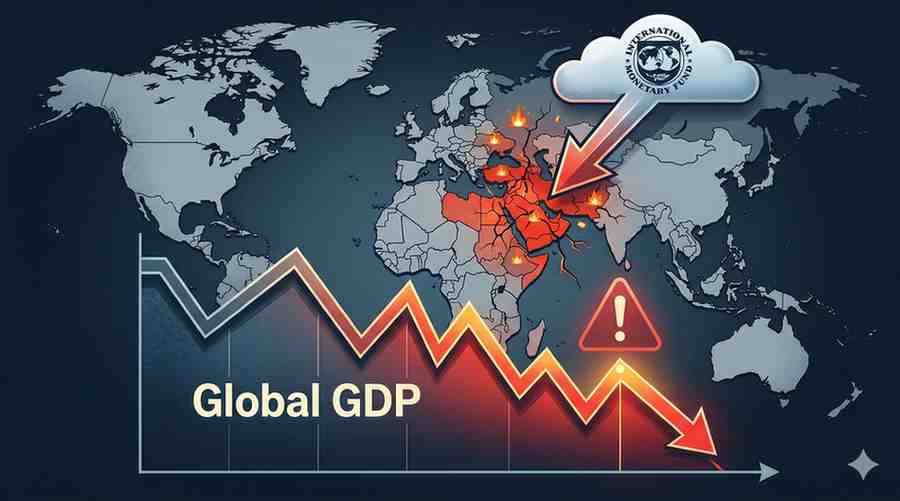
The International Monetary Fund has cautioned that escalating conflict in the Middle East will materially slow global economic growth by disrupting energy markets, trade corridors, and investor confidence. The warning signals heightened risks for emerging markets like India, which remain vulnerable to oil price volatility and supply chain fractures originating from the Gulf region.
New Delhi, April 2025 — The IMF’s latest assessment quantifies what markets have feared since hostilities intensified: prolonged warfare in a region controlling roughly one-third of global oil supply will extract a measurable toll on world output. The Fund’s warning arrives as Brent crude hovers near eighteen-month highs and shipping insurers reassess Red Sea transit risks.
What Is Driving the IMF’s Concern?
The Middle East conflict has disrupted two critical arteries of global commerce: energy exports from Gulf producers and maritime traffic through the Suez Canal-Red Sea corridor. Houthi attacks on commercial vessels have forced major shipping lines to reroute around Africa, adding fourteen days and substantial fuel costs to Asia-Europe trade. The IMF estimates that sustained conflict could shave 0.3 to 0.5 percentage points off global GDP growth if oil prices remain elevated above $95 per barrel through the second half of 2025.
What Does This Mean for India?
India’s economy faces asymmetric exposure to Middle East instability given its 85 percent dependence on imported crude oil. The Reserve Bank of India’s inflation targeting framework comes under strain when global oil prices spike, as transportation and input costs cascade through the supply chain. India’s current account deficit, which had narrowed to 1.2 percent of GDP in FY24, risks widening if the crude import bill escalates by $15-20 billion annually. The rupee has already depreciated 2.3 percent against the dollar since hostilities intensified in early 2025.
How Does This Compare to Previous Disruptions?
The last comparable episode occurred during the 2022 Russia-Ukraine war, when Brent crude briefly touched $130 per barrel and India’s wholesale inflation exceeded 15 percent. However, the current Middle East conflict presents compounding risks: simultaneous disruption to both energy supply and shipping routes creates dual pressure points absent in 2022. The Gulf Cooperation Council nations also host approximately nine million Indian expatriates whose remittances—worth $32 billion annually—could face disruption if regional economies contract.
- Global oil supply at risk: Middle East accounts for 31 percent of world crude production
- Shipping cost surge: Freight rates on Asia-Europe routes have increased 180 percent since November 2024
- India’s oil import dependency: 85 percent of crude requirements sourced externally
- Remittance vulnerability: $32 billion annual inflows from GCC nations to India
- IMF growth impact estimate: 0.3-0.5 percentage points reduction in global GDP if conflict persists
What Should Investors Watch?
Market participants should monitor three indicators: the spread between Brent and Dubai crude benchmarks, sovereign credit default swap rates for Gulf nations, and India’s monthly trade deficit figures. The RBI’s foreign exchange reserves—currently at $630 billion—provide meaningful cushion, but sustained outflows could pressure the central bank’s intervention capacity. Equity markets in sectors with high energy intensity, including aviation, chemicals, and logistics, warrant defensive positioning.
Analyst’s View
The IMF warning should be read as a baseline scenario rather than worst-case projection. Escalation involving direct conflict between Iran and Gulf states would trigger far more severe disruptions, potentially pushing oil toward $120 per barrel and forcing central banks globally to delay rate-cutting cycles. India’s strategic petroleum reserves cover only twelve days of consumption—a vulnerability that warrants policy attention. Investors should anticipate elevated volatility in rate-sensitive sectors and monitor whether the RBI adjusts its inflation forecast band in the upcoming monetary policy statement.