India’s Startup Ecosystem 2026: Funding Winter vs New Wave
- admin
- January 10, 2026
- Banking & Finance
- 0 Comments
Key highlights
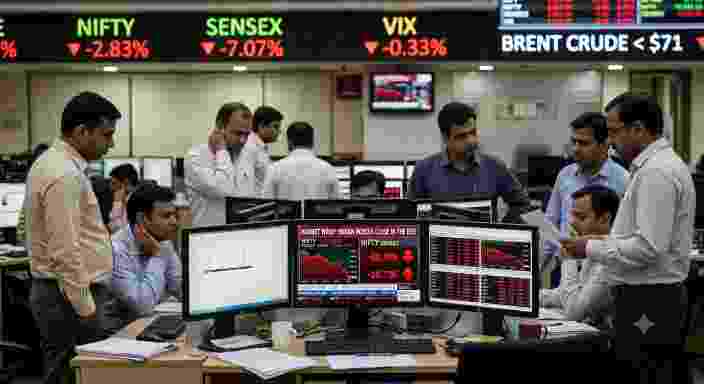
- “Funding winter” is real — but it’s also cleaning up weak business models.
- 2026 winners: revenue discipline, exportable products, regulated resilience.
- Government-recognised startup counts keep rising, but capital is more selective.
- DPIIT recognition has become a key legitimacy layer.
- The next wave is likely to be infra, manufacturing-tech, AI applications, and compliance-tech.
What does “funding winter” look like on the ground?
In 2026, the ecosystem is splitting into two lanes:
- companies built on cheap capital and high burn, struggling to raise,
- companies with real unit economics, getting capital — but on tougher terms.
What’s the cleanest official signal that the ecosystem is still expanding?
The Startup India platform and DPIIT-linked materials track official ecosystem growth and recognition milestones. Startup India’s published “9-Year Factbook” and related dashboard content reflect the scale of officially recognised startups. Securities and Exchange Board of India+1
This doesn’t measure private funding directly — but it does confirm continued formation and formalisation.
Small question people search: “Does DPIIT recognition matter?”
Yes, because it can unlock eligibility for government schemes, simplified compliance, and credibility with banks/corporates. It’s not a guarantee of success — but it’s a legitimacy filter.
So where does the “new wave” come from in 2026?
From sectors where India has unavoidable domestic demand + export potential:
- logistics and supply chain digitisation,
- manufacturing enablement,
- climate and energy efficiency,
- B2B SaaS for compliance and finance,
- healthcare delivery and diagnostics,
- and applied AI (less hype, more workflows).
What to watch in 2026
- Profitability timelines replacing vanity GMV.
- Corporate procurement cycles becoming the real growth lever.
- More founders choosing “steady compounding” over “explosive burn.”