Lucknow’s Urban Jungle: Is Rapid Development Killing Heritage?
- admin
- December 27, 2025
- Development, Uttar Pradesh
- 0 Comments
Balancing Progress and Preservation
Can the City of Nawabs sustain its cultural identity amid a wave of urbanization?
Key Metrics
- Population Growth: Lucknow’s population has grown to over 3.6 million as per the 2021 Census, with urban expansion increasing by 42% over the last two decades.
- Heritage Sites: Over 50 officially recognized historical monuments, including Bara Imambara, Chota Imambara, and Rumi Darwaza.
- Infrastructure Development: Projects worth ₹2,500 crore underway, including Smart City initiatives, metro expansions, and residential complexes.
- Tourist Footfall: Receives approximately 2 million domestic and international tourists annually.
- Land Use Changes: A 30% reduction in green cover reported over the last decade due to urban expansion.
A Tale of Two Cities
Lucknow, the capital of Uttar Pradesh, has always been celebrated for its rich cultural heritage, poetic charm, and architectural splendor. From the opulence of the Bara Imambara to the elegance of the Dilkusha Kothi, the city tells the story of Nawabi grandeur and colonial legacy. However, as Lucknow transitions into a modern urban hub, its cultural and historical identity faces growing threats.
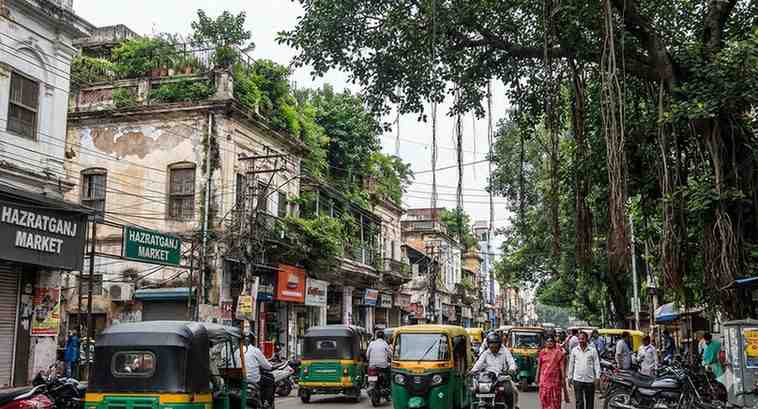
Rapid urbanization, driven by infrastructure projects and population growth, is transforming Lucknow into a sprawling urban jungle. Flyovers, malls, and high-rise buildings now dominate the skyline, creating a stark contrast to the city’s traditional architecture. This raises an important question: Is progress coming at the cost of Lucknow’s soul?
The Push for Urban Development
Lucknow’s transformation into a modern metropolis is evident in the scale of infrastructure projects underway. The Lucknow Smart City Project has initiated several initiatives, including improved road networks, enhanced public transport, and digital services, aiming to make the city more livable. The Lucknow Metro is one of India’s fastest-developing metro systems, significantly reducing commute times and encouraging urban connectivity.
Real estate has also boomed, with luxury apartments and commercial complexes sprouting across the city. Developments such as Gomti Nagar Extension and Shaheed Path have attracted significant investments, making Lucknow a hotspot for urban growth.
However, these advancements often come at the expense of green spaces, historical neighborhoods, and architectural landmarks. The city’s green cover has reduced by 30% over the past decade, as land is repurposed for residential and commercial use. The bustling lanes of old Lucknow are increasingly overshadowed by the glitzy facades of modernity, threatening the delicate balance between heritage and development.
Heritage in Decline
Lucknow’s historical monuments, many of which date back to the 18th and 19th centuries, are under significant strain. Bara Imambara, Rumi Darwaza, and Chota Imambara are among the iconic structures that draw tourists from around the globe, but their preservation has become a pressing concern.
Encroachment and lack of maintenance are major challenges. Local markets and residential constructions have crept dangerously close to these heritage sites, threatening their structural integrity and historical ambiance. Pollution, both air and noise, adds to the degradation of these monuments, while insufficient funding limits conservation efforts.
In some cases, even modernization projects have had unintended consequences. For instance, road widening near heritage zones has altered the surrounding landscape, stripping historical sites of their cultural context.
Tourism vs. Preservation
Lucknow’s tourism sector thrives on its Nawabi allure, contributing significantly to the local economy. However, the rush to accommodate tourists with modern amenities sometimes compromises the very heritage that attracts them. The lack of cohesive urban planning has led to situations where traditional neighborhoods are overshadowed by modern commercial hubs, diluting the city’s historical charm.
Efforts by the Archaeological Survey of India (ASI) and local heritage organizations have been instrumental in preserving key monuments, but they often face resource constraints and bureaucratic hurdles. Public awareness campaigns and community involvement in preservation efforts remain limited, further complicating the issue.
Green Cover and Sustainability
In addition to its architectural heritage, Lucknow is losing its natural heritage. The city, once adorned with lush gardens and open spaces, has witnessed a drastic reduction in green cover. Urban sprawl has led to the felling of trees and the shrinking of parks, impacting air quality and livability.
Projects like the Riverfront Development Project along the Gomti River aim to reclaim some of this lost green space. However, critics argue that such projects prioritize aesthetics over ecological sustainability, often failing to address the root causes of environmental degradation.
Finding a Balance
The challenge for Lucknow lies in finding a balance between urban development and heritage preservation. A few promising steps have been taken:
- Heritage Walks and Cultural Zones: Initiatives like guided heritage walks and the creation of cultural zones in old Lucknow aim to promote awareness and appreciation for the city’s history.
- Public-Private Partnerships (PPPs): Collaborations between the government and private stakeholders have facilitated restoration projects for key monuments.
- Smart Heritage Conservation: Integrating digital tools, such as 3D mapping and augmented reality, can help preserve and promote heritage in innovative ways.
The Road Ahead
Lucknow’s evolution into a modern city need not come at the expense of its heritage. With proper planning, adequate funding, and active community participation, the city can preserve its cultural identity while embracing progress.
Urban planners and policymakers must adopt a holistic approach that prioritizes sustainability and cultural preservation. Green spaces must be restored, and stringent regulations should be enforced to prevent encroachment on heritage sites. Additionally, tourism strategies must be aligned with preservation efforts to ensure that economic growth does not erode the city’s historical legacy.
Lucknow stands at a crossroads. Whether it emerges as a city that harmonizes heritage and development or succumbs to the pressures of unplanned urbanization will depend on the choices made today. The question remains: Can the City of Nawabs retain its crown of culture while navigating the challenges of modernity?