Fatehpur Sikri’s Role in Modern Tourism: Are We Leveraging Its Potential?
- admin
- December 29, 2025
- travel, Uttar Pradesh
- 0 Comments
A Mughal Marvel Faces Challenges in Maximizing Its Tourism Appeal
Key Metrics:
- Tourist Footfall: Fatehpur Sikri attracted 3.5 million visitors in 2024, contributing ₹500 crore to the tourism economy (Uttar Pradesh Tourism Department).
- Proximity to Agra: Located just 40 km from the Taj Mahal, Fatehpur Sikri forms part of the Agra-Mathura-Fatehpur Sikri tourism circuit (Ministry of Tourism).
- Heritage Significance: Designated as a UNESCO World Heritage Site in 1986, the city is home to iconic monuments like the Buland Darwaza, Jama Masjid, and Panch Mahal (UNESCO).
- Tourism Infrastructure Allocation: ₹100 crore allocated under the Swadesh Darshan Scheme for site improvement and connectivity in 2024 (Ministry of Tourism).
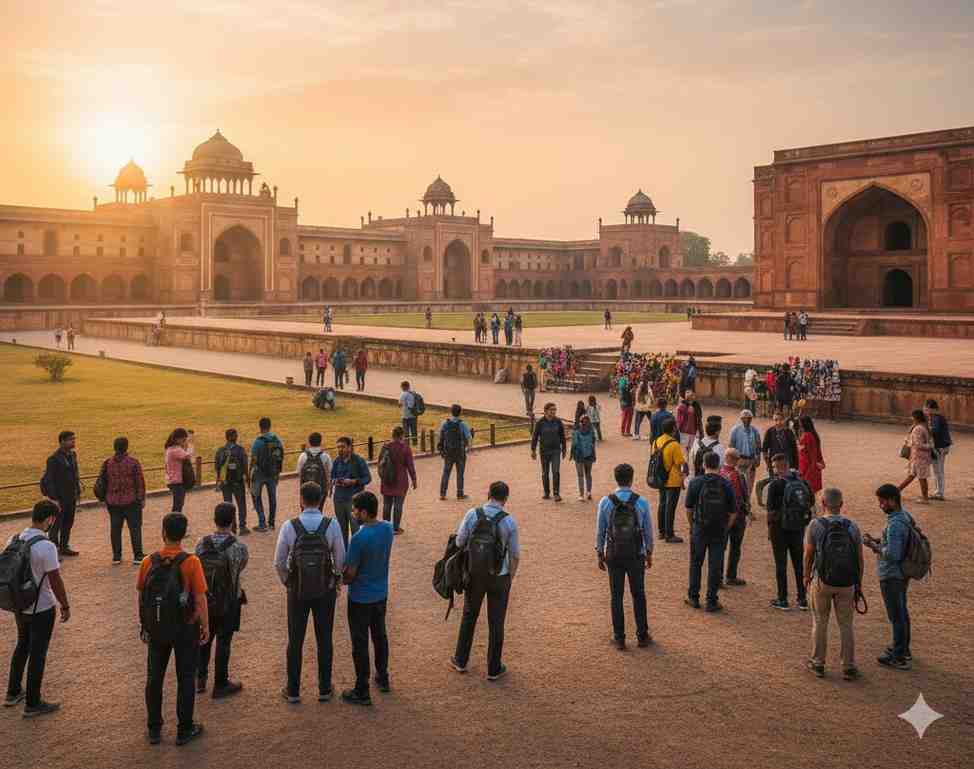
Fatehpur Sikri, 2025 – Once the capital of the Mughal Empire under Emperor Akbar, Fatehpur Sikri is a testament to India’s rich architectural and cultural heritage. Renowned for its stunning sandstone structures and historical significance, it attracts millions of visitors annually. However, despite its proximity to Agra and its inclusion in popular tourism circuits, the site’s full potential remains underutilized. Are we doing enough to position Fatehpur Sikri as a cornerstone of India’s modern tourism narrative?
Fatehpur Sikri: A Mughal Gem
Built in the late 16th century by Emperor Akbar, Fatehpur Sikri served as the Mughal capital for 14 years before being abandoned due to water scarcity. The city’s architecture reflects a blend of Mughal and regional styles, with notable landmarks such as:
- Buland Darwaza: The world’s largest gateway, symbolizing Akbar’s military triumphs.
- Jama Masjid: A grand mosque showcasing exquisite Mughal craftsmanship.
- Panch Mahal: A five-story palace that served as a royal retreat.
- Diwan-i-Khas: A hall for private audiences, featuring the iconic central pillar.
Fatehpur Sikri’s proximity to Agra, home to the Taj Mahal and Agra Fort, strengthens its appeal. According to the Ministry of Tourism, the city forms a key part of the Agra-Mathura-Fatehpur Sikri tourism circuit, attracting both domestic and international travelers.
Challenges in Realizing Full Potential
Despite its historical and architectural significance, Fatehpur Sikri faces several challenges that hinder its role in modern tourism:
- Connectivity Issues: Limited public transport options make it less accessible compared to Agra, as noted by the Uttar Pradesh State Transport Department.
- Inadequate Visitor Amenities: A 2024 audit by the Comptroller and Auditor General (CAG) highlighted insufficient parking, lack of restrooms, and poor signage at the site.
- Overcrowding at Agra: The Taj Mahal’s overwhelming popularity often overshadows nearby sites like Fatehpur Sikri, reducing its share of tourist attention.
- Preservation Concerns: The Archaeological Survey of India (ASI) reports that environmental factors and visitor footfall have caused erosion and damage to several structures, necessitating urgent conservation efforts.
Voices from the Ground
Local stakeholders emphasize the importance of improving Fatehpur Sikri’s tourism infrastructure. “We need better transport links and facilities to attract more visitors,” says Mohan Gupta, a local guide. Artisans selling handicrafts near the Buland Darwaza add, “Tourists come for a quick visit and leave. If they stayed longer, it would boost our livelihood.”
Tourists, too, share mixed reviews. “The architecture is stunning, but the lack of proper amenities makes the experience less enjoyable,” says John Carter, a visitor from the UK.
Government and Institutional Efforts
To address these challenges, several initiatives have been launched:
- Swadesh Darshan Scheme: ₹100 crore has been allocated for infrastructure upgrades, including improved roads, parking, and visitor facilities.
- Integrated Tourism Circuit: The Dekho Apna Desh initiative promotes Fatehpur Sikri alongside Agra’s iconic monuments to enhance its visibility.
- Digital Outreach: The Uttar Pradesh Tourism Department has launched virtual tours and digital campaigns to attract tech-savvy travelers.
- Conservation Projects: The Archaeological Survey of India (ASI) is undertaking restoration work to preserve key monuments and improve site durability.
Recommendations for Unlocking Potential
Experts suggest the following measures to maximize Fatehpur Sikri’s tourism potential:
- Enhanced Connectivity: Introduce shuttle services and direct public transport from Agra and Mathura.
- Visitor Amenities: Invest in eco-friendly facilities, such as shaded walkways, digital guides, and clean restrooms.
- Promote Extended Stays: Develop nearby accommodations and activities, such as cultural performances and night tours, to encourage longer visits.
- Community Involvement: Engage local artisans and businesses in tourism planning to create sustainable economic opportunities.
- Sustainable Tourism Practices: Limit visitor numbers during peak hours to protect fragile structures and promote off-season tourism.
A Vision for the Future
Fatehpur Sikri’s role in modern tourism extends beyond its historical allure; it has the potential to drive regional economic growth and cultural preservation. By leveraging its proximity to Agra and enhancing visitor experiences, the city can solidify its position as a must-visit destination in India’s tourism landscape. The question remains: Will we take the necessary steps to unlock Fatehpur Sikri’s full potential, or will it continue to stand in the shadow of its more famous neighbors?