West Asia Conflict Threatens India’s Inflation Target: How Geopolitical Spillovers May Force RBI’s Hand in Q1 FY26
- admin
- April 2, 2026
- Uncategorized
- 0 Comments
India’s June quarter inflation is projected to breach the Reserve Bank of India’s 4% target ceiling as escalating West Asia hostilities drive crude oil prices higher and pressure the rupee, compounding existing growth headwinds. The convergence of geopolitical risk, currency depreciation, and weakening domestic momentum creates a stagflationary undercurrent that may constrain the central bank’s ability to support growth through rate cuts.
New Delhi, April 2026 — The Reserve Bank of India faces its most challenging policy environment since the 2022 commodity shock, with internal forecasts suggesting headline inflation could average 5.2-5.5% in Q1 FY26, overshooting the 4% medium-term target by a significant margin as West Asian supply disruptions ripple through global energy markets.
What Is Driving the Inflation Breach?
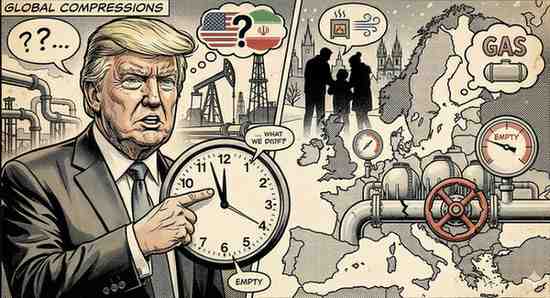
The West Asia conflict has triggered a sustained rally in Brent crude, with prices breaching $95 per barrel in recent weeks compared to $82 at the start of 2026. India imports approximately 85% of its crude oil requirements, making the economy acutely vulnerable to energy price shocks. The rupee’s concurrent depreciation toward the 86-per-dollar mark amplifies import costs, creating a dual channel for inflationary transmission. Food inflation, already elevated due to erratic monsoon patterns in 2025, compounds the pressure on the consumer price index.
What Does This Mean for RBI’s Policy Path?
The Monetary Policy Committee had signalled a potential pivot toward accommodation in early 2026, with markets pricing in 50 basis points of cuts by September. Those expectations now face serious revision as the inflation-growth trade-off deteriorates sharply. RBI Governor’s forward guidance will likely shift toward vigilance, with the April policy review potentially maintaining the pause instituted in February. The central bank’s credibility hinges on anchoring inflation expectations even as growth momentum weakens toward 6.3-6.5% for FY26.
How Does India Compare to Regional Peers?
India’s inflation vulnerability exceeds that of most Asian economies due to its structural energy import dependence and food price volatility. Indonesia and Thailand, with domestic hydrocarbon buffers and stable currencies, face less acute pass-through risks. China’s deflationary environment presents a stark contrast, highlighting divergent monetary policy trajectories across the region. The last comparable episode occurred in Q2 2022, when India’s CPI touched 7.8% following Russia’s invasion of Ukraine.
- Brent crude has risen 16% since January 2026, trading above $95/barrel
- India’s crude import bill could increase by $15-18 billion annually at current prices
- Rupee depreciation of 4.2% year-to-date adds approximately 30-40 basis points to headline inflation
- RBI’s inflation tolerance band ranges from 2% to 6%, with 4% as the medium-term anchor
- Growth forecasts for Q1 FY26 have been revised downward to 6.1% from 6.8% earlier
What Should Investors and Policymakers Watch?
Bond markets have already repriced, with the 10-year government security yield climbing 22 basis points in March to 7.18%. Foreign portfolio investors withdrew $2.1 billion from Indian equities in the past six weeks, reflecting risk-off sentiment. The government’s fiscal arithmetic faces pressure as subsidy costs rise, potentially widening the deficit beyond the 5.1% of GDP target. Corporate margins in import-intensive sectors—aviation, chemicals, and consumer durables—face compression.
Analyst’s View
The June quarter inflation breach appears increasingly unavoidable unless crude prices retreat below $85 within weeks—an unlikely scenario given current geopolitical dynamics. RBI will likely prioritise inflation credibility over near-term growth support, maintaining rates through August at minimum. The critical variable remains rupee stability; intervention reserves of $620 billion provide substantial ammunition, but sustained defence depletes buffers needed for genuine crisis scenarios. Market participants should monitor weekly petroleum price adjustments, RBI’s forward guidance language, and any fiscal measures to cushion consumers—these will determine whether the stagflationary undercurrent remains a manageable headwind or evolves into a binding constraint on Indian economic momentum.