How Oil Price Volatility and Geopolitical Risks Are Testing India’s Fiscal Resilience in 2025
- admin
- April 2, 2026
- Uncategorized
- 0 Comments
Global geopolitical tensions are creating a triple threat for India’s economy through elevated crude oil prices, sustained rupee depreciation, and mounting fiscal pressure on subsidies and current account balances. The convergence of these factors marks the most significant external stress test for Indian macroeconomic stability since the 2022 energy crisis triggered by the Russia-Ukraine conflict.
New Delhi, April 2025 — India’s economic management faces renewed scrutiny as escalating global tensions push Brent crude prices toward the $90-per-barrel threshold, triggering cascading effects across the nation’s import bill, currency markets, and government finances. The Reserve Bank of India has already deployed an estimated $12-15 billion in forex interventions since January to arrest rupee depreciation, yet the currency has breached the 86-per-dollar mark for the first time.
What Is Driving the Current Economic Pressure?
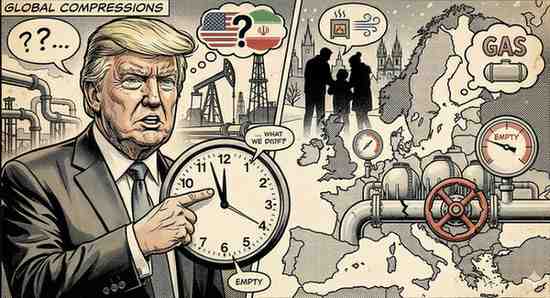
Multiple geopolitical flashpoints are simultaneously disrupting global energy markets and risk sentiment toward emerging economies. Middle East tensions have constrained oil supply expectations, while Red Sea shipping disruptions continue to inflate freight costs and delivery timelines. India imports approximately 85% of its crude oil requirements, making the economy structurally vulnerable to every $10-per-barrel increase in global prices. Each such increase adds roughly $15 billion to India’s annual import bill and widens the current account deficit by 0.4-0.5% of GDP.
What Does This Mean for India’s Fiscal Position?
The Union government faces difficult trade-offs between shielding consumers from fuel price increases and maintaining its fiscal consolidation trajectory. Fuel subsidies, which the government had successfully compressed to under ₹10,000 crore annually, may require significant expansion if crude prices sustain above $85 per barrel. The fiscal deficit target of 5.1% of GDP for FY2025-26 appears increasingly ambitious without either revenue outperformance or expenditure compression elsewhere. State-owned oil marketing companies absorbed losses exceeding ₹25,000 crore during the last price shock cycle in 2022, a scenario that could repeat if retail prices remain frozen.
How Does This Compare to Previous Economic Shocks?
India’s external vulnerability metrics have improved substantially since the 2013 taper tantrum, when foreign exchange reserves covered barely seven months of imports. Current reserves exceeding $620 billion provide approximately eleven months of import cover, offering meaningful buffer capacity. The current account deficit remains manageable at 1.2% of GDP, compared to the alarming 4.8% recorded in 2012-13. These improved fundamentals explain why credit rating agencies have maintained stable outlooks despite recent market turbulence.
- India’s crude oil import dependency stands at 85%, the highest among major Asian economies except Japan
- Every ₹1 depreciation against the dollar increases the annual import bill by approximately ₹10,000-12,000 crore
- Forex reserves have declined by $28 billion from their September 2024 peak of $650 billion
- Inflation impact: a 10% rise in crude prices typically adds 30-40 basis points to headline CPI within two quarters
- The government’s petroleum subsidy allocation for FY26 is ₹11,925 crore, potentially inadequate if prices persist above $85
What Should Investors and Policymakers Watch?
Bond markets are pricing in reduced probability of further rate cuts, with the 10-year government security yield hardening to 6.85% from 6.65% in February. Foreign portfolio investors have withdrawn $4.2 billion from Indian equities in the current calendar year, reflecting global risk-off sentiment. The RBI’s monetary policy committee faces the challenge of supporting growth while preventing imported inflation from destabilising price expectations. Current account dynamics warrant close monitoring, particularly the services surplus that has historically offset merchandise trade deficits.
Analyst’s View
India’s economic fundamentals remain sound relative to previous crisis episodes, but the policy margin for error has narrowed considerably. The government’s response over the next quarter will reveal whether fiscal prudence or growth support takes priority. Markets should watch for any revision to the FY26 borrowing calendar and RBI’s tolerance for further rupee weakness beyond the 87-per-dollar level. The most consequential variable remains crude oil trajectory — sustained prices above $95 would necessitate policy recalibration across monetary, fiscal, and energy subsidy frameworks simultaneously.