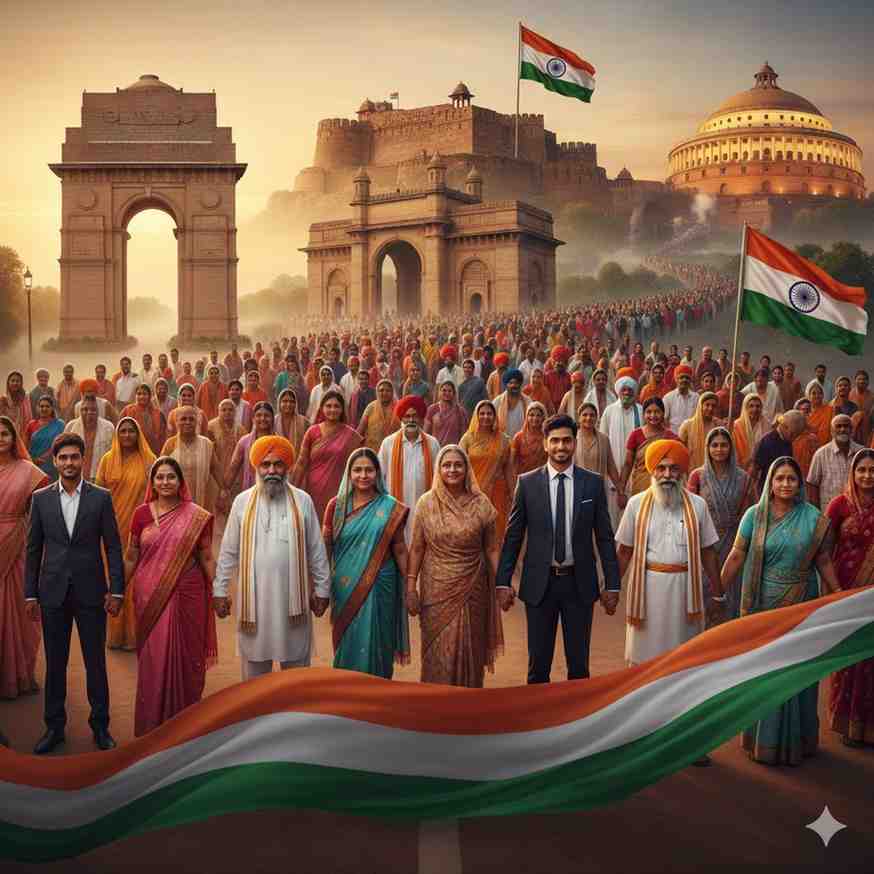
The Importance of National Unity in Preserving Democracy
Strengthening the fabric of democracy through collective cohesion.
Introduction
National unity is the cornerstone of a thriving democracy. It fosters social harmony, ensures stability, and empowers citizens to participate meaningfully in governance. In India, a diverse nation with a rich tapestry of cultures, religions, and languages, national unity plays a critical role in sustaining democratic principles. This unity acts as a shield against forces that threaten democracy, ensuring that the nation remains resilient and forward-looking.
Unity as the Pillar of Democratic Stability
1. Fostering Inclusive Governance
National unity ensures that democracy represents the voices of all citizens, regardless of their background. It promotes inclusivity, ensuring that:
- Policies are created with diverse perspectives.
- Marginalized communities have equal opportunities to participate in decision-making.
For instance, the Indian Constitution is a testament to the importance of inclusivity, guaranteeing equal rights and freedoms to all citizens.
(Source: Constitution of India)
2. Safeguarding Sovereignty
A united nation is better equipped to address external and internal threats. National unity fosters a collective sense of responsibility, enabling citizens and governments to:
- Counter divisive ideologies that undermine democratic values.
- Strengthen institutions that protect sovereignty and justice.
Historical movements like the Quit India Movement and the Freedom Struggle are reminders of how unity can lead to significant democratic milestones.
(Source: National Archives of India)
The Role of Unity in Resolving Societal Challenges
1. Bridging Divides
National unity bridges gaps between different communities, fostering dialogue and understanding. This is particularly significant in India, where:
- Initiatives like Ek Bharat Shreshtha Bharat encourage cultural exchange to strengthen bonds between states.
- Festivals and events promote the celebration of diversity, reinforcing the idea of “unity in diversity.”
(Source: Ministry of Culture)
2. Strengthening Civic Participation
Unity motivates citizens to engage actively in democratic processes, such as voting and public discourse. Programs like the National Voter Awareness Campaign highlight the importance of collective participation in shaping the nation’s future.
(Source: Election Commission of India)
Threats to National Unity and Democracy
1. Communalism and Regionalism
Divisive forces that exploit religious and regional identities can weaken the democratic fabric by:
- Creating distrust among communities.
- Undermining the legitimacy of democratic institutions.
2. Disinformation and Polarization
In the digital age, misinformation campaigns pose a significant threat to national unity by:
- Spreading false narratives that fuel social unrest.
- Polarizing public opinion and eroding trust in democratic systems.
Promoting National Unity to Preserve Democracy
1. Education and Awareness
Promoting civic education helps inculcate values of unity and democracy from an early age. Initiatives like Samagra Shiksha Abhiyan aim to make education more inclusive, fostering a sense of national pride.
(Source: Ministry of Education)
2. Strengthening Institutions
Independent and robust institutions, such as the judiciary and Election Commission, play a pivotal role in upholding democratic values by ensuring:
- Free and fair elections.
- Protection of fundamental rights.
3. Encouraging Grassroots Movements
Community-led initiatives that focus on social harmony and local governance strengthen the democratic framework. Programs like the Panchayati Raj System empower local communities, ensuring governance remains participatory and inclusive.
(Source: Ministry of Panchayati Raj)
Balanced Perspective
While national unity is vital for preserving democracy, it must not come at the cost of suppressing diverse voices. True unity respects and celebrates differences, ensuring that all sections of society feel represented and valued. Striking a balance between unity and diversity is essential for a healthy democracy.
Conclusion
National unity is indispensable for the survival and growth of democracy. By fostering inclusivity, bridging societal divides, and countering divisive forces, India can ensure that its democratic principles remain robust and resilient. As citizens, the responsibility to uphold unity lies with each of us, shaping a future where democracy thrives on the collective strength of its people.