Geopolitical Flashpoint: Trump’s Ultimatum Expires as Military Spending Shatters Records
- Editor
- April 6, 2026
- Defence, Government, Leaders, Politics
- 0 Comments
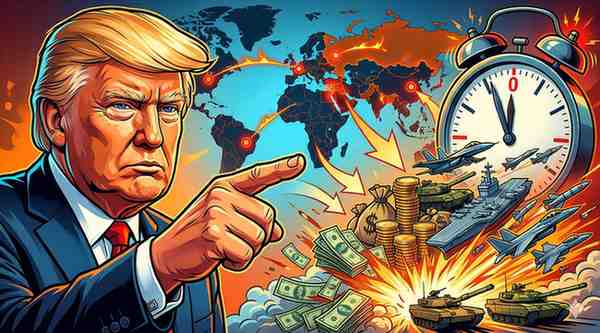
Washington D.C., April 2026 — The geopolitical clock has run out. President Donald Trump’s 48-hour ultimatum to Tehran expired at midnight, leaving the Middle East on a knife-edge and the global economy bracing for a “destruction like never seen before.”
What began as a standoff over maritime routes has devolved into a direct military confrontation, marked by the smell of jet fuel and the shadow of a record-breaking war budget.
The Standoff: A Promise of Total Destruction
The ultimatum followed weeks of escalating skirmishes in the Persian Gulf. Trump, true to his “maximum pressure” doctrine, demanded an immediate and unconditional cessation of Iranian interference in global shipping lanes. Iran’s response was not a diplomatic cable, but a public display of defiance.
Tehran has officially confirmed the downing of a U.S. military aircraft, claiming the vessel violated sovereign airspace. While the Pentagon initially remained tight-lipped, emerging reports suggest a pilot has been captured by the Islamic Revolutionary Guard Corps (IRGC), handing Iran a powerful bargaining chip at the worst possible moment.
The $1.5 Trillion War Chest: Preparing for the Worst
As the ultimatum expired, the White House signaled that this is not a short-term skirmish but the beginning of a massive military pivot. Trump has proposed a record-high defense budget of $1.5 trillion for FY27—a staggering 44% year-on-year increase.
Experts are calling this the most aggressive mobilization of American capital since World War II. The allocation breakdown reveals a nation moving toward a “total war” footing:
- $161 Billion for Hardware: A massive surge in the production of high-end weaponry, stealth aircraft, and naval destroyers to secure the high seas.
- $125 Billion for the “Golden Shield”: Dedicated research and development into AI-driven warfare, hypersonic missiles, and advanced tech to maintain a qualitative edge.
- $73 Billion for “Energy Security”: Rebranded green energy initiatives aimed at making the military grid independent of foreign oil—a strategic move to insulate the war machine from Middle Eastern supply shocks.
- $48 Billion for Logistics: Streamlining operations management to ensure that a massive force can be sustained across the globe indefinitely.
The “Golden Age” vs. Global Conflict
For the Trump administration, this budget is an investment in “Peace Through Strength.” Supporters argue that the sheer scale of the spending will deter adversaries like China and Russia from intervening on Iran’s behalf.
However, critics warn that the $1.5 trillion figure signals the end of the “America First” promise of avoiding foreign entanglements. Instead, the U.S. appears to be doubling down on a prolonged, multi-front conflict that could reshape the global order for decades.
Markets in Turmoil: The Cost of Defiance
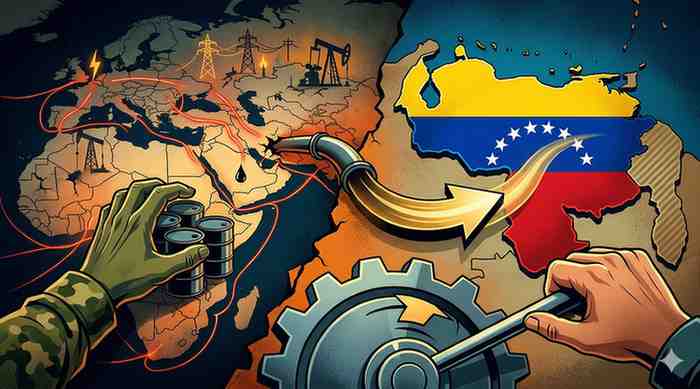
The global economy is already feeling the tremors. Oil prices have surged to heights not seen in years, as the threat of a closed Strait of Hormuz becomes a reality. Traders are no longer asking if a conflict will happen, but how long it will last.
With the 48-hour window closed, the diplomatic “off-ramps” have been dismantled. The world now watches the skies, waiting to see if the “unprecedented destruction” promised by the Oval Office will manifest in a campaign of fire, or if this is the ultimate high-stakes gamble in a game of global brinkmanship.
Bottom Line
The expiration of the ultimatum marks the end of words and the beginning of actions. With a captured pilot in Tehran and a $1.5 trillion budget on the table in Washington, the “Golden Age” Trump promised is being forged not in trade deals, but in the heat of a potential Great Power war. The mask of diplomacy is off: the U.S. is no longer just watching the Middle East—it is preparing to remold it by force.