Varanasi’s Nightlife: Are We Sacrificing Culture for Commerce?
- admin
- December 31, 2025
- Capital Journal, Lifestyle
- 0 Comments
Varanasi, 2025 – Known as the spiritual capital of India, Varanasi has long been a city where the sacred meets the timeless. However, a new dimension to the city’s identity is emerging—its evolving nightlife. From rooftop cafes overlooking the ghats to bustling night markets, the city’s after-dark landscape is rapidly transforming. But this transformation raises an important question: Are we trading Varanasi’s rich cultural essence for commercial interests?
The Rise of Nightlife in Varanasi
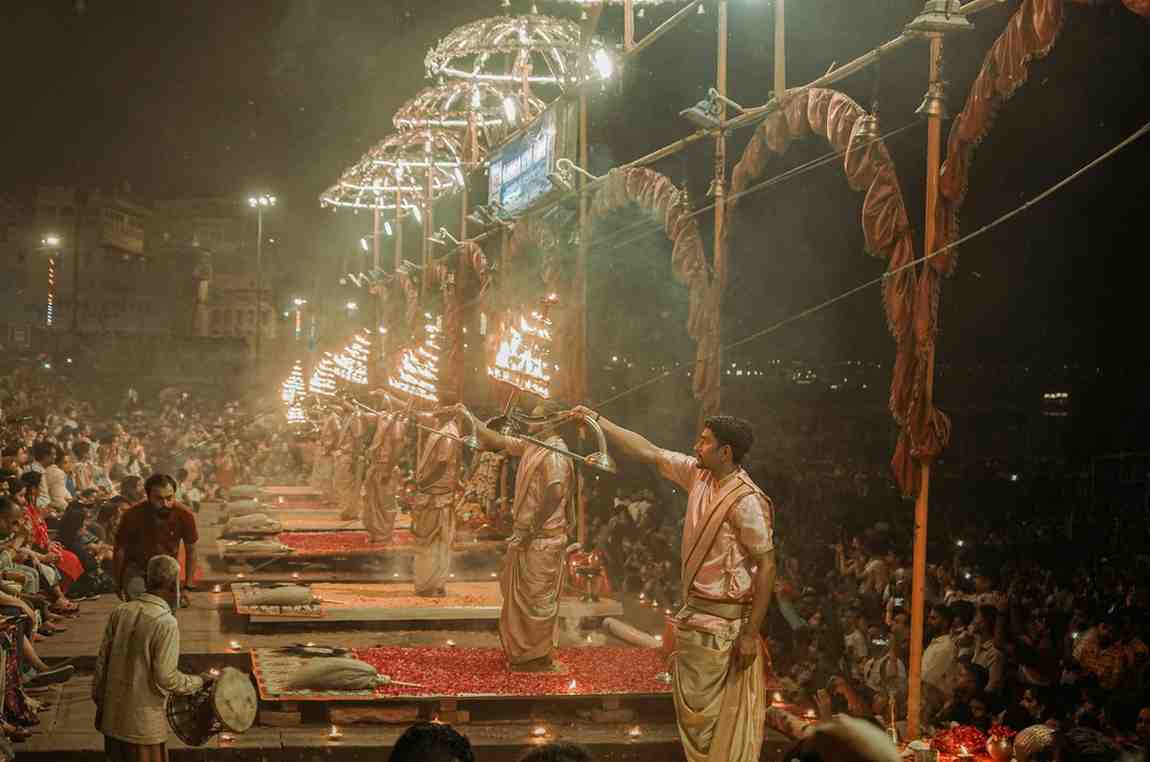
Data from the Varanasi Municipal Corporation shows a significant increase in nighttime establishments, including restaurants, cafes, and bars, over the last decade. The Uttar Pradesh Tourism Department reports that a considerable share of the city’s annual tourist spending now occurs during evening hours, as visitors flock to cultural performances, Ganga aarti rituals, and late-night bazaars.
Night markets, such as the Vishwanath Gali Market and Godowlia, are thriving hubs of activity. The recently launched Namami Gange Night Bazaar, supported by the Ministry of Tourism, has already contributed notable revenue, drawing both tourists and locals.
The Cultural and Environmental Cost
While the burgeoning nightlife boosts the economy, critics argue that it comes at a cost. Surveys conducted by the Varanasi Heritage Conservation Society highlight public concerns that the commercialization of cultural spaces disrupts the city’s spiritual atmosphere. For instance, the increased presence of rooftop cafes near sacred ghats has raised issues of noise pollution and perceived disrespect toward religious traditions.
The Central Pollution Control Board indicates that increased footfall during late hours has led to a rise in waste generation, much of which risks polluting the Ganga River. Despite initiatives under the Namami Gange Programme, nighttime activities often bypass waste management protocols, further stressing the city’s fragile ecosystem.
Voices from the Ground
Locals are divided on the issue. “The new nightlife brings income and jobs, but it’s also changing the soul of the city,” says Rajesh Mishra, a boatman at Assi Ghat. On the other hand, younger residents like Priya Sharma see it as a necessary evolution: “Varanasi is not just for pilgrims. The nightlife makes it more vibrant and inclusive.”
Religious leaders have also voiced concerns. “Sacred spaces are being commodified for profit. There needs to be a balance,” says Pandit Hari Shankar, a priest at Kashi Vishwanath Temple.
Balancing Commerce and Culture
Experts propose a middle path to ensure that Varanasi’s nightlife complements rather than conflicts with its heritage:
- Zoning Regulations: Restrict commercial establishments near sacred ghats and temples to maintain the sanctity of these spaces.
- Sustainable Tourism Practices: Enforce waste management and noise control measures for nighttime activities.
- Cultural Guidelines: Require businesses to integrate and promote local cultural elements in their offerings, such as live classical music or traditional art displays.
- Community Engagement: Involve local stakeholders, including residents, priests, and artisans, in decision-making processes to preserve the city’s identity.
Conclusion
Varanasi’s nightlife represents an inevitable shift in its socio-economic landscape. While it holds the potential to enhance the city’s appeal and prosperity, unregulated growth risks undermining its unique cultural heritage. The challenge lies in crafting policies and practices that allow Varanasi to embrace modernization while safeguarding its spiritual essence. The question remains: Can Varanasi strike the right balance, or will commerce overshadow its cultural soul?