Exploring Rituals in the Vedas: What Do They Signify?
“Sacred Practices or Symbolic Lessons? Understanding Vedic Rituals in Modern Contexts”
Rituals form a central part of Vedic traditions, serving as both symbolic and practical expressions of spiritual and cosmic principles. These rituals, detailed in the Yajurveda, Rigveda, and other texts, reflect the profound interplay between humanity, nature, and the divine. While some may view these ancient practices as mere ceremonial acts, a deeper exploration reveals their philosophical and cultural significance, transcending time and geography.
The Purpose of Rituals in the Vedas
Vedic rituals, or yajnas, are not merely acts of worship but represent a dynamic exchange between humans and the cosmos. They emphasize principles like balance, reciprocity, and transformation.
- Cosmic Harmony and Rita:
- The Vedas introduce the concept of rita—the cosmic order that sustains the universe. Rituals are seen as a means to align human actions with this universal order.
- For instance, offerings to natural forces like Agni (fire) and Indra (rain) symbolize gratitude and balance.
- Sacrifice (Yajna) as a Principle of Reciprocity:
- The act of sacrifice is central to Vedic rituals, symbolizing selflessness and the interconnectedness of life.
- The Purusha Sukta hymn (Rigveda 10.90) illustrates the creation of the universe through a cosmic sacrifice, emphasizing the cyclical nature of giving and receiving.
- Transformation and Renewal:
- Rituals often involve elements of fire, representing purification, transformation, and the renewal of life energies.
Types of Vedic Rituals and Their Significance
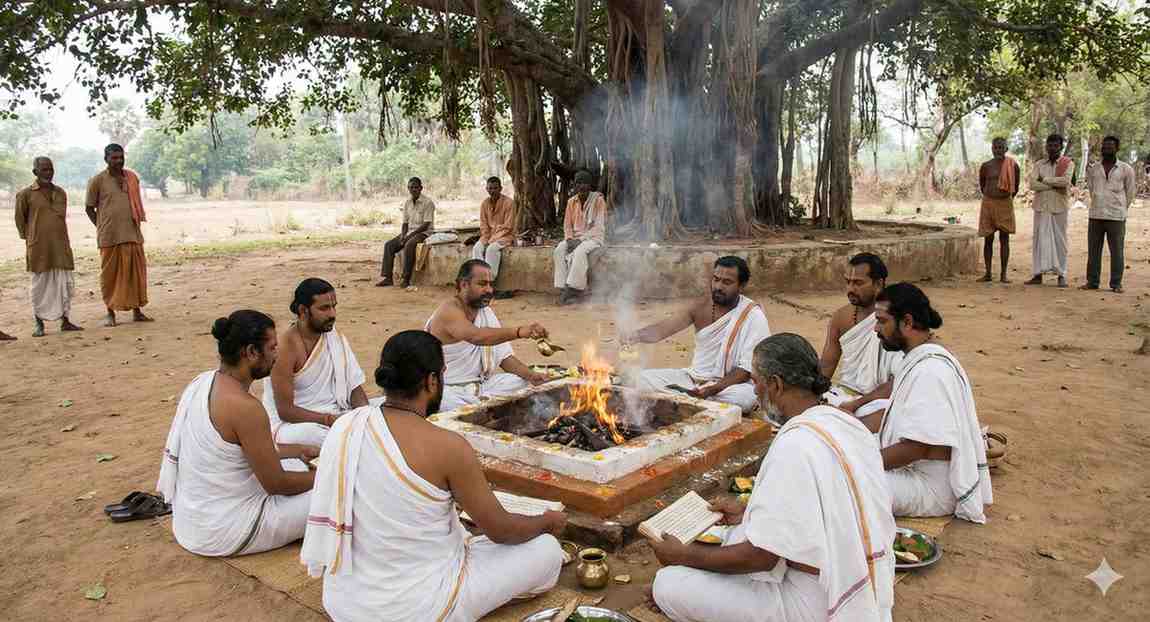
- Fire Sacrifices (Agni Yajna):
- Fire is a recurring symbol in the Vedas, representing energy, purification, and the connection between the earthly and divine realms.
- The Agni Yajna, or fire offering, is performed to invoke blessings, ensure prosperity, and sustain cosmic balance.
- Soma Offerings:
- Soma, a sacred plant mentioned in the Rigveda, is offered in rituals to symbolize vitality and divine connection.
- These offerings represent the pursuit of higher knowledge and transcendence.
- Seasonal and Agricultural Rituals:
- Rituals tied to seasons and agriculture, such as Varuna Yajna for rains, reflect the dependence of human life on nature.
- These practices underscore the Vedic emphasis on ecological harmony.
- Life-Cycle Rituals (Samskaras):
- The Vedas prescribe rites for various stages of life, from birth (Namakarana) to marriage (Vivaha) and death (Antyeshti).
- These rituals provide a spiritual framework for navigating life’s transitions.
Philosophical Significance of Rituals
- Symbolism of Fire (Agni):
- Fire, central to most Vedic rituals, symbolizes transformation and the human aspiration for higher consciousness.
- Agni acts as a mediator between humans and the divine, carrying offerings to the celestial realm.
- Unity of the Individual and the Cosmos:
- Vedic rituals emphasize the interconnectedness of the individual (atman) and the universe (Brahman), reflecting the philosophical pursuit of unity.
- Action and Consequence (Karma):
- Rituals embody the principle of karma, illustrating how actions have consequences in both the physical and spiritual realms.
Rituals in Modern Contexts
- Global Influence of Vedic Practices:
- Elements of Vedic rituals, such as fire ceremonies and meditation, have found global resonance in wellness movements and spiritual practices.
- The Ministry of AYUSH promotes these practices through international initiatives like International Yoga Day.
- Sustainability and Ecology:
- Vedic rituals that honor nature resonate with contemporary environmental ethics, inspiring practices that promote ecological balance.
- Cultural Preservation:
- Efforts by institutions like the National Manuscripts Mission ensure the preservation and understanding of Vedic rituals, bridging the gap between ancient practices and modern sensibilities.
Critiques and Challenges
- Ritual vs. Philosophy:
- Critics argue that an overemphasis on ritualistic aspects risks overshadowing the philosophical depth of the Vedas.
- However, proponents emphasize that rituals are symbolic acts that embody Vedic principles.
- Accessibility and Relevance:
- The complexity of Vedic rituals, combined with their esoteric symbolism, can make them inaccessible to modern audiences. Efforts to simplify and reinterpret these practices are essential for their continued relevance.
- Environmental Concerns:
- Some rituals involving resource-intensive practices, such as large-scale fire sacrifices, have faced criticism in the context of modern environmental sustainability.
Conclusion
Vedic rituals are far more than ceremonial acts; they are profound expressions of the principles that underpin Hindu philosophy. From emphasizing cosmic harmony and ecological balance to illustrating the interconnectedness of life, these rituals offer timeless lessons for navigating modern challenges.
As India and the world grapple with issues like environmental degradation and cultural homogenization, revisiting the significance of Vedic rituals can inspire practices that promote balance, mindfulness, and universal harmony. By preserving and adapting these rituals, we can honor their legacy while ensuring their relevance in today’s dynamic world.