Uttar Pradesh’s Challenges in Waste Management: Solutions or Shortcomings?
- admin
- December 13, 2025
- Development, Energy & Environment
- 0 Comments
Struggling to Turn Waste into Wealth
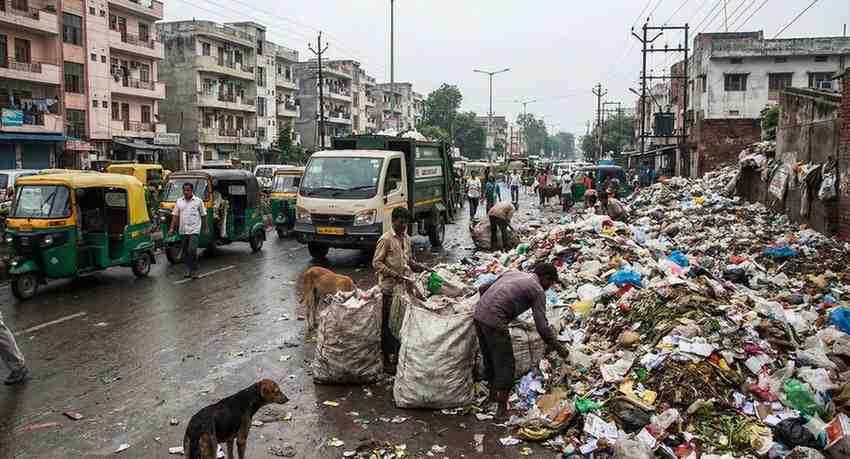
Uttar Pradesh, India’s most populous state, is grappling with a monumental waste management challenge. With a population exceeding 240 million, the state generates vast quantities of municipal, industrial, and hazardous waste daily. Despite implementing waste management initiatives and aligning with the Swachh Bharat Mission, inefficiencies in collection, segregation, and disposal systems remain significant. The growing concern over industrial waste further compounds the issue, raising questions about sustainability and public health. Are the solutions being implemented effective, or do they fall short of addressing the scale of the problem?
Waste Generation in Uttar Pradesh: The Scope of the Problem
1. Municipal Solid Waste (MSW)
- Key Statistic: Uttar Pradesh generates approximately 17,000 metric tonnes of municipal solid waste daily, of which only 30% is scientifically processed, according to the Central Pollution Control Board (CPCB).
- Challenges: Segregation at source is minimal, with less than 25% of households practicing waste segregation, leading to mixed waste being sent to landfills.
2. Industrial Waste
- Key Statistic: The state produces 2 million tonnes of industrial waste annually, with Kanpur, Ghaziabad, and Moradabad being major contributors due to their concentration of tanneries, steel factories, and electronic waste recycling units.
- Concerns: Industrial waste, including heavy metals and chemicals, often ends up in rivers or open dumps due to inadequate treatment facilities.
3. Hazardous Waste
- Key Statistic: Uttar Pradesh generates around 50,000 tonnes of hazardous waste annually, according to the CPCB.
- Issue: Improper disposal of hazardous waste poses severe risks to soil, groundwater, and public health, particularly in areas near industrial hubs like Kanpur and Aligarh.
4. Plastic Waste
- Key Statistic: Uttar Pradesh generates over 690,000 metric tonnes of plastic waste annually, with 60% remaining uncollected, clogging drains and polluting rivers.
Current Initiatives and Solutions
1. Solid Waste Management under Swachh Bharat Mission
- Municipal Reforms: The state has established scientific landfills in cities like Lucknow, Kanpur, and Agra, aiming to reduce open dumping.
- Waste-to-Energy Plants: Uttar Pradesh has set up waste-to-energy plants in Ghaziabad and Lucknow, with a combined capacity to process 4,000 metric tonnes of waste daily.
2. Industrial Waste Management
- Effluent Treatment Plants (ETPs): Over 500 common effluent treatment plants (CETPs) have been installed in industrial zones, particularly for tanneries in Kanpur and Firozabad.
- Pollution Control Boards: The Uttar Pradesh Pollution Control Board (UPPCB) monitors industrial units, imposing penalties on those failing to comply with waste treatment regulations.
- Key Success: In Kanpur, the implementation of CETPs has reduced untreated effluent discharge into the Ganga by 60%, according to the National Mission for Clean Ganga.
3. Hazardous Waste Management
- The state has established common hazardous waste treatment facilities, but capacity remains insufficient to handle the volume generated.
- Data: Only 70% of hazardous waste is treated scientifically, while the remaining ends up in landfills or waterways.
4. Plastic Waste Reduction
- Ban on Single-Use Plastics: Uttar Pradesh has enforced a ban on single-use plastics, but enforcement remains lax, particularly in rural areas.
- Recycling Initiatives: The government has collaborated with private players to set up recycling units, aiming to process 40% of plastic waste by 2025.
Challenges and Shortcomings
1. Inadequate Infrastructure
- Issue: Despite progress, most urban local bodies (ULBs) lack the infrastructure for efficient waste collection and processing.
- Example: Only 45 out of 75 districts have functional solid waste processing plants, leaving smaller towns reliant on open dumping.
2. Inefficient Industrial Waste Management
- Concern: Industrial waste from tanneries, steel plants, and e-waste recycling units often bypass treatment due to insufficient monitoring and high operational costs of CETPs.
- Example: In Moradabad, a hub for electronic waste recycling, toxic heavy metals like lead and mercury frequently contaminate local water sources.
3. Lack of Public Awareness
- Issue: Public participation in waste segregation and recycling remains minimal, with less than 30% of residentsaware of the benefits of proper waste disposal.
- Impact: Mixed waste hampers recycling efforts and increases landfill dependency.
4. River Pollution
- Key Statistic: The Ganga and Yamuna rivers receive over 500 million liters of untreated sewage and industrial effluents daily in Uttar Pradesh, despite ongoing efforts under the Namami Gange Program.
- Impact: This pollution endangers aquatic life and compromises water quality for human consumption.
Recommendations for Sustainable Waste Management
1. Strengthen Industrial Waste Monitoring
- Recommendation: The UPPCB must enhance real-time monitoring of industrial units to ensure strict compliance with effluent and hazardous waste treatment norms.
- Incentives: Offer subsidies or tax benefits to industries investing in sustainable waste management technologies.
2. Expand Waste Processing Capacity
- Recommendation: Increase the number of scientific waste processing plants, particularly in smaller cities and towns, to ensure decentralized waste management.
- Key Focus: Establish waste-to-energy plants in high-population districts like Meerut and Varanasi to reduce landfill dependency.
3. Enhance Public Participation
- Recommendation: Launch statewide awareness campaigns on waste segregation and recycling, focusing on schools, colleges, and community groups.
- Incentive Programs: Provide financial rewards for households and businesses practicing effective waste segregation.
4. Address River Pollution
- Recommendation: Strengthen the Namami Gange initiative by increasing the capacity of sewage treatment plants (STPs) and addressing gaps in industrial discharge regulation.
- Example: Deploy bio-remediation technologies to clean polluted river stretches.
Conclusion: A Long Road Ahead
Uttar Pradesh has made strides in waste management through waste-to-energy plants, CETPs, and plastic recycling initiatives. However, challenges such as inadequate infrastructure, inefficient industrial waste treatment, and low public awareness hinder the effectiveness of these solutions.
For sustainable progress, the state must adopt a holistic approach that combines stricter enforcement, public participation, and technological advancements. Uttar Pradesh’s success in managing waste will not only improve environmental health but also set a precedent for other states grappling with similar challenges.