Jhansi’s Urban Development: Are We Building Sustainable Communities?
- admin
- December 30, 2025
- Development, Energy & Environment
- 0 Comments
A Historic City Faces Challenges in Balancing Growth with Environmental and Social Sustainability
Key Metrics:
- Urbanization Rate: Jhansi’s urban population grew by 25% from 2011 to 2021, reaching approximately 574,000 (Census of India, 2021).
- Green Cover: Only 8% of Jhansi’s land area is covered by green spaces, below the recommended urban standard of 15% (Uttar Pradesh Forest Department).
- Infrastructure Investments: ₹500 crore allocated under the Smart City Mission for urban development projects, with 60% focused on transport and housing (Jhansi Smart City Mission, 2024).
- Waste Management: Jhansi generates 180 metric tons of waste daily, but only 60% is processed effectively (Jhansi Municipal Corporation).
- Public Transport Usage: Less than 20% of residents rely on public transport, with most opting for private vehicles (Uttar Pradesh Transport Department, 2024).
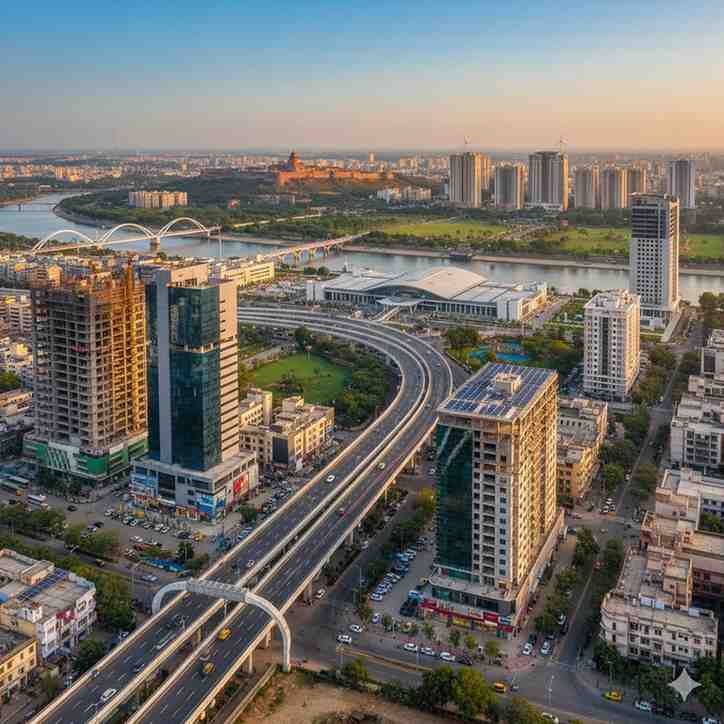
Jhansi, 2025 – A city rich in historical significance and strategic importance, Jhansi has witnessed rapid urbanization over the past decade. Investments in infrastructure and housing under the Smart City Mission have transformed its skyline, but questions remain about the sustainability of its development. From inadequate green cover to inefficiencies in waste management, the city faces critical challenges in ensuring that growth benefits all residents without compromising environmental health. Are we truly building sustainable communities in Jhansi?
Progress in Urban Development
Infrastructure Advancements
The Jhansi Smart City Mission has spearheaded numerous projects aimed at modernizing the city:
- Transport: Over ₹200 crore invested in road expansions and smart traffic management systems to reduce congestion.
- Housing: Affordable housing schemes under the Pradhan Mantri Awas Yojana (PMAY) have benefited over 5,000 low-income families.
- Water Supply: The Atal Mission for Rejuvenation and Urban Transformation (AMRUT) improved water supply coverage to 75% of households in 2024.
Heritage Conservation
As a city synonymous with the Rani of Jhansi and the 1857 Revolt, Jhansi has prioritized heritage conservation alongside urban growth. The Archaeological Survey of India (ASI) is restoring key sites like the Jhansi Fort and St. Jude’s Church, ensuring their preservation amid modernization.
Challenges Hindering Sustainability
Environmental Degradation
Despite these advancements, environmental sustainability remains a concern:
- Green Spaces: With only 8% green cover, Jhansi falls short of urban ecological standards. Parks and open spaces are limited, particularly in densely populated areas.
- Pollution: Rising vehicular emissions contribute significantly to poor air quality, with the Central Pollution Control Board (CPCB) rating Jhansi’s Air Quality Index (AQI) at “moderate to poor” for 200 days in 2024.
Waste Management Inefficiencies
Jhansi generates approximately 180 metric tons of waste daily, but only 60% is effectively processed. Landfills are nearing capacity, and informal waste disposal practices persist, impacting public health and the environment.
Social Inequities
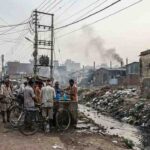
Urban development projects often overlook marginalized communities. A NITI Aayog report highlights that slum dwellers in areas like Shivaji Nagar lack access to basic amenities such as clean water and sanitation, despite significant municipal investments.
Limited Public Transport
With less than 20% of residents relying on public transport, the city faces increasing traffic congestion. The Uttar Pradesh Transport Department notes that private vehicle ownership has surged by 30% in the past five years, further straining road infrastructure.
Voices from the Community
Local residents and experts express mixed opinions about Jhansi’s development trajectory.
“While the Smart City Mission has brought visible improvements, the city still lacks adequate green spaces and effective waste management,” says environmentalist Anupama Verma.
Slum dwellers emphasize social disparities. “We see new roads and buildings, but our neighborhoods still lack basic facilities,” says Sunil Kumar, a resident of Shivaji Nagar.
Meanwhile, urban planners defend the city’s efforts. “Balancing rapid growth with sustainability is challenging, but we’re committed to making Jhansi a livable city for all,” says Rajesh Gupta, an official from the Jhansi Smart City Mission.
Recommendations for Sustainable Urban Development
To ensure Jhansi’s urban development is sustainable and inclusive, experts suggest the following:
- Increase Green Cover: Launch large-scale afforestation programs and develop urban parks to meet ecological standards.
- Improve Waste Management: Invest in modern waste processing facilities and promote waste segregation at the household level.
- Enhance Public Transport: Expand bus networks and introduce eco-friendly transport options such as electric buses.
- Focus on Social Equity: Prioritize affordable housing, water supply, and sanitation in underserved communities.
- Promote Renewable Energy: Integrate solar and wind energy solutions into urban projects to reduce the city’s carbon footprint.
A Vision for the Future
Jhansi stands at a crossroads in its urban development journey. By addressing environmental, social, and infrastructural challenges, the city can set an example of sustainable growth that honors its historical legacy while embracing modernity. The question remains: Will Jhansi rise to the challenge of building sustainable communities, or will rapid urbanization come at the expense of its future livability?