Is EdTech Reinforcing the “Need to Excel” in Education?
- admin
- December 13, 2025
- Education, Technology
- 0 Comments
Examining the Competitive Drive in India’s Digital Classrooms
In India, a nation where educational success often determines social standing and economic opportunities, the rapid proliferation of Educational Technology (EdTech) is intensifying the focus on excelling academically. This phenomenon raises critical questions about the role of EdTech in shaping educational motivations and outcomes, particularly the increasing pressure on students to not just succeed, but excel.
The Intensification of Academic Competition
- Performance Metrics and Leaderboards
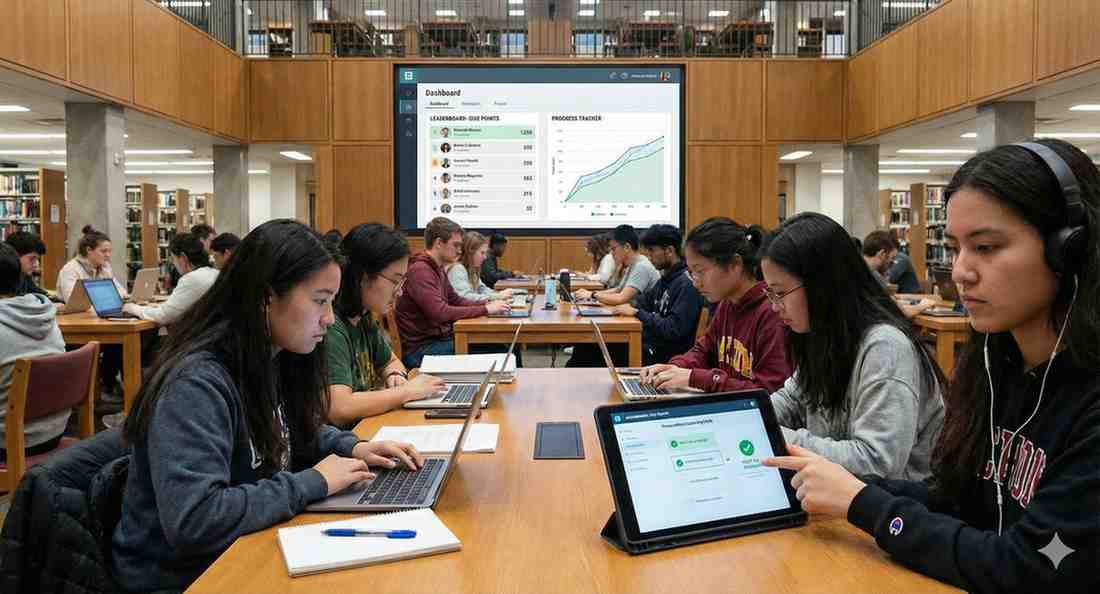
- Quantifying Achievement: EdTech platforms frequently utilize detailed performance metrics and leaderboards that publicly rank students based on their achievements. This transparency not only fosters a competitive environment but also accentuates the pressure on students to continually outperform their peers.
- Continuous Assessment: Many EdTech tools offer continuous assessments as a means of immediate feedback, which can perpetuate a cycle of relentless striving and comparison among students.
- Tailored Learning Pathways
- Personalization at a Cost: While personalized learning paths provided by EdTech platforms can effectively address individual student needs, they also create a benchmarking system where students are pushed to achieve at increasingly higher levels, reinforcing the pressure to excel.
- Skill-Based Advancement: These platforms often emphasize skill acquisition over holistic education, further driving the need to excel in specific, measurable areas that are directly linked to academic or career advancement.
Cultural and Social Implications
- Parental Expectations
- Increased Oversight: With real-time access to children’s performance data, parents can monitor academic progress more closely than ever before, often adding to the pressure by setting higher expectations.
- Investment in Success: As families invest more in EdTech tools and resources, the expectation for a return on investment in the form of top-tier academic performance also grows.
- Educational Equity
- Widening Gaps: The emphasis on excelling can exacerbate educational disparities, as not all students have equal access to premium EdTech resources. This discrepancy can reinforce socio-economic divisions within the educational landscape.
Potential Reforms and Balancing Acts
- Holistic Education Approaches
- Integrating Soft Skills: To counterbalance the intense focus on quantifiable excellence, EdTech platforms and educational institutions could integrate more training in soft skills like communication, teamwork, and critical thinking, which are crucial for overall development.
- Value of Learning Process: Educators and EdTech providers should emphasize the importance of the learning process over the outcome, encouraging students to value understanding and growth over mere scores.
- Regulatory and Supportive Measures
- Government Oversight: There could be increased regulatory oversight on how EdTech platforms promote competition among students, including guidelines that ensure competitive elements are balanced with supportive educational practices.
- Support Systems: Schools and EdTech platforms should provide robust support systems, including counseling and stress management programs, to help students cope with the pressures of high expectations.
Conclusion: Redefining Excellence in the Age of EdTech
As India continues to embrace EdTech, it is imperative to critically assess its impact on the academic and social pressures faced by students. By fostering environments that promote balanced competition and comprehensive education, stakeholders can ensure that the drive to excel enhances rather than undermines student well-being and learning experiences.
Do you think EdTech is merely reinforcing the pressure to excel, or can it be harnessed to promote a more balanced educational experience?