How Schools Can Thrive with NEP’s Focus on Academics Over Facilities
The National Education Policy (NEP) 2020 represents a seismic shift in the educational priorities of India, spotlighting a transition from emphasizing expansive school facilities to enhancing academic rigor and pedagogical depth. This change is pivotal for the future of education in India, fostering environments where intellectual engagement and quality teaching are at the forefront. Here’s a breakdown of how schools can excel under the new NEP guidelines:
Embracing Academic Excellence
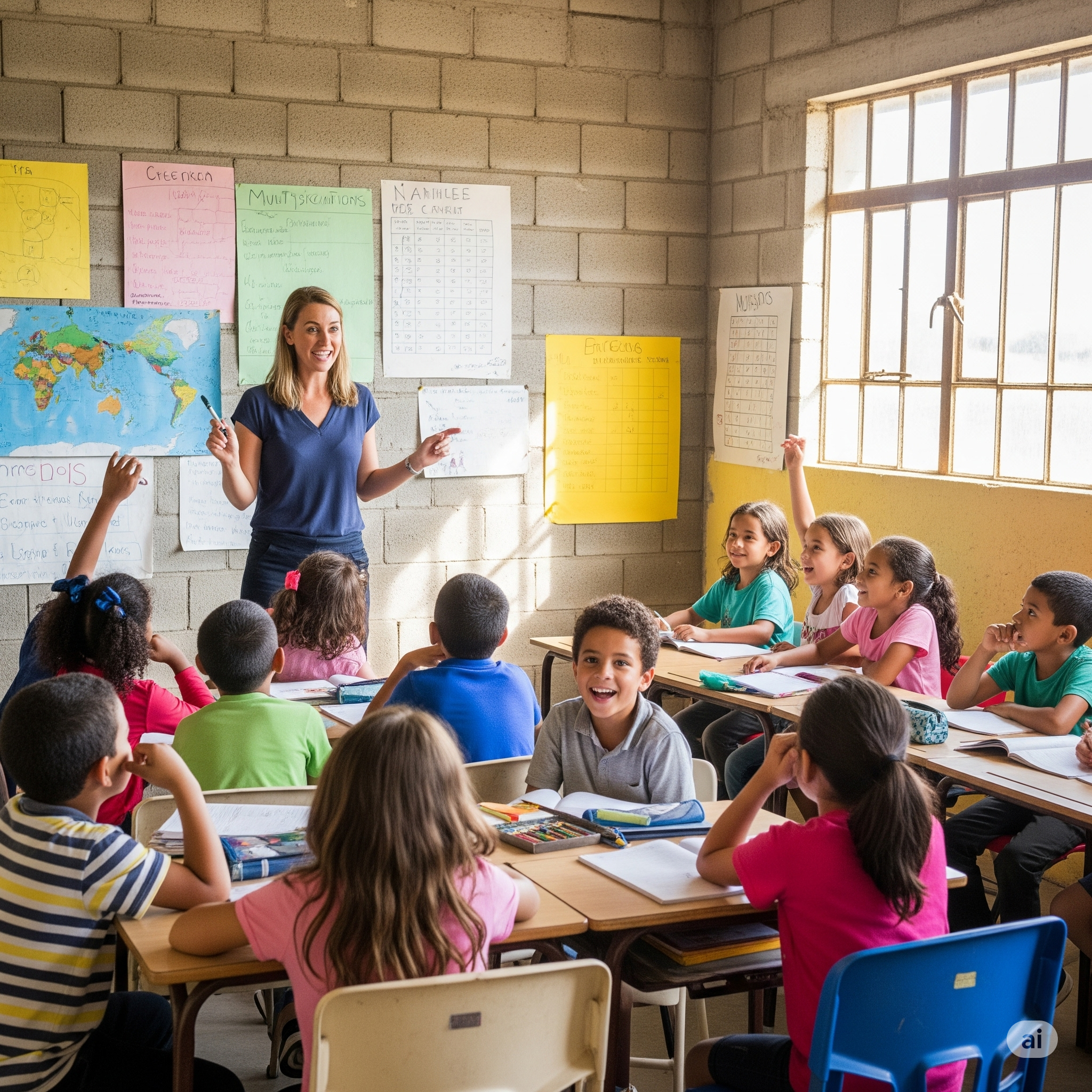
1. Intellectual Engagement Over Physical Space: NEP 2020 redefines what makes a school exceptional. It’s no longer about sprawling campuses but about vibrant intellectual communities. Schools are encouraged to foster environments where discussion, inquiry, and critical thinking are paramount. This approach aims to cultivate curiosity and a love for learning that transcends the physical confines of traditional classrooms.
2. Curriculum Innovation: The policy emphasizes curricular reform that is interdisciplinary and flexible, allowing students to connect diverse ideas across subjects. Schools can thrive by implementing dynamic curricula that engage students with real-world problems and cutting-edge technology, preparing them for global challenges.
Leveraging Technology in Learning
3. Digital Integration: In a world where digital fluency is essential, NEP champions the integration of technology in education. This includes using online resources to complement traditional teaching and introducing students to learning management systems that extend education beyond the physical classroom. Schools can use these tools to create an expansive learning space in the digital realm, making education accessible and engaging for all students.
4. Virtual Labs and Classrooms: With the NEP’s focus on technology, schools without the latest physical facilities can still offer state-of-the-art educational experiences through virtual labs and simulated environments. These platforms can replicate everything from science experiments to historical explorations, providing a hands-on learning experience without the need for large lab spaces or equipment.
Optimizing Existing Resources
5. Multi-Functional Learning Spaces: The NEP encourages schools to rethink the use of space. Multi-functional areas that can switch between a lecture hall, a workshop space, or a performance area allow schools to do more with less. This flexible approach not only saves space but also budget, redirecting funds towards enhancing teaching quality and student services.
6. Community Collaboration: Schools can extend their educational offerings by partnering with local institutions such as libraries, museums, and science centers. This not only broadens the students’ learning environment but also integrates education deeply into community life, enriching students’ educational experiences and civic understanding.
Focusing on Teacher Quality
7. Professional Development: A key aspect of the NEP is its emphasis on teacher training. Schools can excel by investing in continuous professional development for their educators, ensuring they are equipped with the latest pedagogical strategies and content knowledge. High-quality teaching is instrumental in elevating student outcomes and can significantly impact a school’s reputation and effectiveness.
Holistic Development
8. Beyond Academics: While the focus is on academics, the NEP does not overlook the importance of emotional and social development. Schools that offer programs supporting mental health, leadership skills, and ethical development will not only thrive under the NEP but will also produce well-rounded individuals prepared for the complexities of the modern world.
Conclusion
The NEP’s shift from valuing facilities to emphasizing academic quality and holistic development opens a realm of possibilities for schools to redefine success. By focusing on enriching intellectual engagement, integrating technology, and fostering community collaborations, schools can provide an education that is both profound and practical, preparing students not just to succeed academically but to thrive in all aspects of life. This new educational paradigm promises to equip the next generation of learners with the skills, knowledge, and ethical grounding necessary for both personal success and societal advancement.