Uttar Pradesh’s Cultural Festivals: Celebration or Commercialization?
From Tradition to Transaction: The Changing Face of Festivities
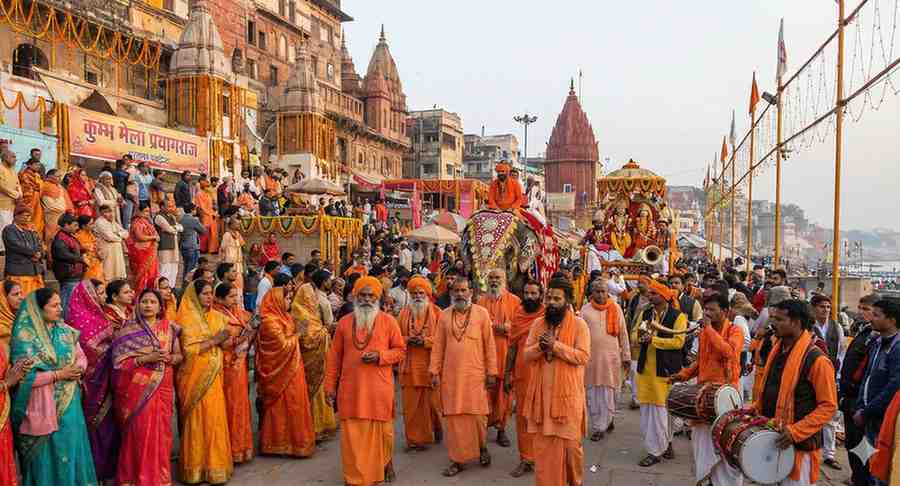
Uttar Pradesh, a state steeped in cultural heritage, is renowned for its vibrant festivals, from Navratri and Diwali to Holi and the Kumbh Mela. These celebrations have historically been about devotion, community bonding, and cultural preservation. However, in recent years, a shift toward commercialization has reshaped these festivals, turning them into profit-driven events. The rise of ticketed Dandiya nights and high-priced concerts exemplifies how festivals are being monetized, raising concerns about inclusivity and the erosion of traditional values.
The Commercialization of Festivals in Uttar Pradesh
1. Dandiya Nights: From Devotion to Profit
Dandiya nights, traditionally associated with Navratri and community gatherings, have transformed into grand, ticketed events in cities like Lucknow, Kanpur, and Noida.
- Ticket Pricing: Entry fees for Dandiya nights range from ₹500 to ₹5,000 per person, with VIP passes reaching even higher amounts.
- Commercial Gains: Organizers often secure sponsorship deals from beverage brands, fashion labels, and tech companies.
- Participation Metrics: According to data from local event organizers, Dandiya events in Lucknow alone attracted over 50,000 attendees during Navratri 2022, generating millions in revenue.
2. High-Priced Festival Concerts
Concerts during festivals like Diwali and New Year have become lucrative, with celebrity performers and DJs headlining extravagant shows.
- Key Figures: Ticket prices for these concerts often range from ₹2,000 to ₹10,000, with VIP seating and meet-and-greet packages costing significantly more.
- Economic Impact: These events contribute to the local economy but exclude a significant portion of the population due to high costs.
- Example: A Diwali concert in Noida in 2022 reportedly generated over ₹15 crore in ticket sales alone, according to the event management company.
Economic and Social Impact
1. Boost to the Local Economy
The commercialization of festivals has created opportunities for local businesses, artisans, and service providers.
- Tourism Revenue: Festivals like Navratri and Diwali boost tourism significantly, with Uttar Pradesh’s cultural tourism contributing over ₹10,000 crore annually, according to the Uttar Pradesh Tourism Department.
- Employment Opportunities: Event management, catering, and security services during festivals generate seasonal employment for thousands.
2. Financial Strain on Participants
While the economy benefits, the rising costs of attending such events often strain families.
- Key Concern: Middle- and lower-income families, especially in rural areas, are unable to participate in ticketed celebrations, leading to a sense of exclusion.
- Survey Data: A survey conducted by the Uttar Pradesh Culture and Heritage Board in 2023 found that 62% of respondents felt that festivals had become too expensive for the average family.
Traditional Values at Risk
1. Loss of Authenticity
Traditional practices are being overshadowed by the glamor and glitz of commercialized events.
- Example: Dandiya nights, once celebrated with devotional music and traditional attire, now feature Bollywood remixes, extravagant costumes, and luxury decor.
- Cultural Impact: Many argue that these events dilute the spiritual significance of festivals, turning them into entertainment-driven spectacles.
2. Exclusion of Marginalized Communities
The rising costs of participation in commercial events disproportionately affect marginalized groups.
- Example: In rural districts, free or low-cost community events are declining, replaced by private ticketed celebrations, leaving economically weaker sections excluded.
3. Environmental Concerns
Large-scale events contribute to environmental degradation through noise pollution, excessive waste, and resource overuse.
- Statistics: A report by the Uttar Pradesh Pollution Control Board (UPPCB) found that waste generation during Navratri events in Lucknow increased by 40% in 2022 compared to previous years.
The Rise of Commercial Interests
1. Sponsorship Deals
- Events attract significant corporate sponsorship, often prioritizing brand visibility over cultural preservation.
- Example: Beverage companies and fashion brands sponsor Dandiya nights, turning them into marketing platforms rather than cultural events.
2. Media and Entertainment Industry
- Festivals have become a revenue source for television channels and streaming platforms, with live event coverage and festival-themed programming generating substantial advertising revenue.
3. Tourism and Hospitality
- The commercialization of festivals drives up costs for visitors. During Navratri, hotel tariffs in cities like Varanasi and Ayodhya often double, making it challenging for average pilgrims to afford accommodations.
Recommendations for Sustainable Celebrations
1. Promote Inclusive Events
- Community-Led Celebrations: Encourage public events that are free or low-cost, ensuring that all sections of society can participate.
- Government Support: Provide subsidies for organizers of inclusive events that emphasize cultural traditions.
2. Regulate Commercial Activities
- Ticket Pricing Caps: Establish guidelines to limit ticket prices for public events, ensuring affordability.
- Cultural Oversight: Mandate a focus on traditional practices and rituals in commercial events to preserve authenticity.
3. Environmental Sustainability
- Eco-Friendly Practices: Implement waste management protocols and promote sustainable materials for decorations and props at large-scale events.
4. Support for Local Artisans
- Market Access: Create platforms for local artisans to showcase their crafts during festivals, integrating them into mainstream celebrations.
Conclusion: A Cultural Crossroad
Uttar Pradesh’s cultural festivals are evolving, blending tradition with modernity. While the commercial aspect has brought economic benefits and global recognition, it also risks alienating marginalized communities, eroding authenticity, and prioritizing profits over cultural values.
To strike a balance, policymakers, event organizers, and communities must work together to ensure that festivals remain accessible and inclusive, preserving their true essence as celebrations of culture, faith, and togetherness.