Bareilly’s Cultural Renaissance: A Revival or Just a Trend?
Rediscovering the City’s Heritage
Is Bareilly’s renewed focus on culture a deep-rooted revival or a fleeting phase driven by modern trends?
Key Metrics
- Historical Significance: Bareilly is known for its association with the Rohilla dynasty and its prominence in Indian independence movements.
- Cultural Highlights: Renowned for its Zari-Zardozi embroidery, kite-making traditions, and unique cuisine.
- Population: Approximately 1.2 million people (2021 Census).
- Cultural Events: Hosts several festivals, including the Bareilly Mahotsav, attracting thousands of attendees annually.
- Economic Role: Handicrafts, including Zari work, contribute significantly to the local economy, employing over 25,000 artisans.
Bareilly’s Cultural Identity
Bareilly, a historic city in Uttar Pradesh, has long been a repository of rich cultural traditions, from its exquisite Zari-Zardozi embroidery to its vibrant kite festivals. However, in recent years, the city has witnessed a surge in efforts to revive its cultural identity. These initiatives range from heritage walks and craft workshops to culinary festivals and performances of traditional arts.
This resurgence, often dubbed a “cultural renaissance,” begs the question: Is Bareilly truly reclaiming its cultural roots, or is this wave of activity a passing trend fueled by nostalgia and modern consumerism?
The Role of Heritage Industries
Bareilly’s Zari-Zardozi embroidery, a centuries-old craft that once adorned royal garments, remains a cornerstone of the city’s cultural and economic landscape. Recognized under the Geographical Indication (GI) tag, this art form employs thousands of artisans, most of whom belong to rural and marginalized communities.
Recent government initiatives, such as skill development programs and artisan fairs, have attempted to reinvigorate this craft. The introduction of contemporary designs and collaborations with fashion designers has helped Zari work find new markets, both domestically and internationally. However, challenges such as low wages for artisans and the influx of machine-made imitations pose significant threats to the sustainability of this heritage industry.
Festivals and Public Engagement
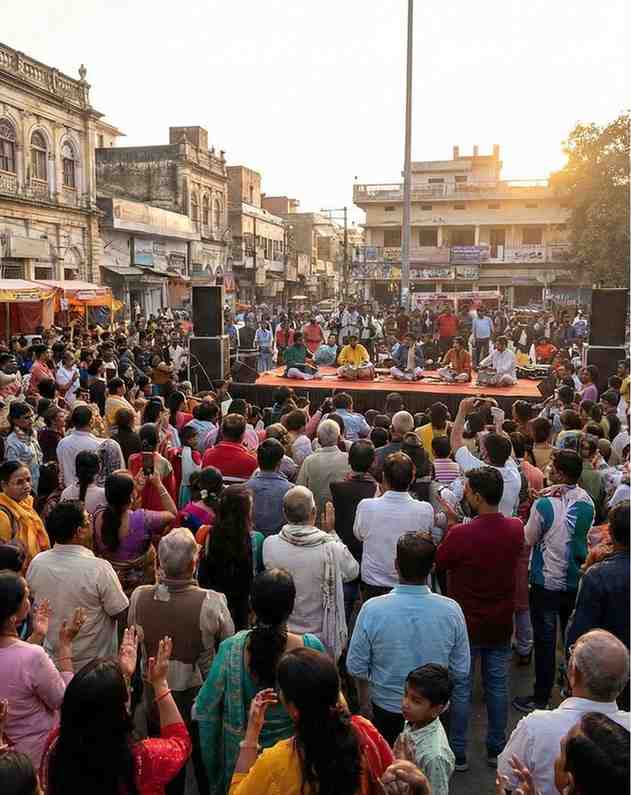
Bareilly’s cultural renaissance is most visible during festivals and public events. The Bareilly Mahotsav, a flagship cultural festival, celebrates the city’s art, music, and cuisine. The event, which features everything from classical music performances to craft exhibitions, has become a major draw for locals and tourists alike.
Traditional kite festivals and Muharram processions, which have been integral to Bareilly’s identity, are also being revived with modern twists. These events serve as a bridge between generations, allowing younger residents to reconnect with their cultural heritage. However, the commercialization of such festivals—marked by branded sponsorships and flashy presentations—has sparked debates about whether these efforts are preserving authenticity or diluting traditions.
Cuisine as a Cultural Bridge
Bareilly’s culinary heritage is another pillar of its cultural identity. The city is known for its soot ki kachori, seekh kebabs, and rich Mughlai cuisine, which reflect its historical ties to the Mughal and Rohilla dynasties.
Food festivals and cooking competitions have emerged as platforms to showcase these traditional dishes to a broader audience. Local eateries and home chefs are gaining popularity through social media, further highlighting Bareilly’s culinary legacy. However, questions linger about whether this newfound interest in local cuisine is a genuine revival or simply a trend driven by the growing appeal of “heritage” experiences.
Youth and Cultural Rediscovery
The younger generation in Bareilly has become an active participant in the city’s cultural revival. Social media platforms have played a crucial role in this transformation, with influencers and content creators promoting Bareilly’s crafts, cuisine, and heritage sites.
Organizations and local schools have also stepped in, organizing heritage walks and workshops to educate young people about the city’s history and traditions. These efforts aim to instill a sense of pride in local culture, ensuring that the legacy of Bareilly is carried forward.
However, critics argue that much of this engagement remains superficial, with many participants viewing cultural events as photo opportunities rather than meaningful experiences. Sustained efforts will be required to ensure that young people develop a genuine connection to their heritage.
Challenges to Sustained Revival
While Bareilly’s cultural revival is commendable, several challenges threaten its longevity. The lack of adequate funding for artisans, minimal government support for heritage preservation, and the dominance of modern influences in urban planning are significant obstacles.
Historical sites such as the Alakhnath Temple and Dargah-e-Ala Hazrat, which form an integral part of Bareilly’s cultural landscape, face neglect due to inadequate maintenance and encroachment. Without concerted efforts to protect these landmarks, Bareilly risks losing an essential part of its identity.
Additionally, while festivals and public events provide visibility to Bareilly’s culture, they often fail to address the systemic issues faced by artisans and traditional practitioners. Without structural reforms and long-term investments, the city’s cultural renaissance may struggle to sustain itself beyond short-term trends.
The Way Forward
To ensure that Bareilly’s cultural renaissance evolves into a lasting revival, a multifaceted approach is needed:
- Support for Artisans: Increasing wages, providing skill development programs, and ensuring access to markets can empower the artisans who form the backbone of Bareilly’s cultural economy.
- Preservation of Historical Sites: Enhanced funding and stricter regulations are necessary to protect the city’s monuments and heritage sites.
- Community Involvement: Encouraging active participation from locals, particularly youth, can foster a deeper connection to cultural traditions.
- Sustainable Tourism: Promoting heritage tourism in a way that respects the city’s culture and environment can generate revenue while preserving authenticity.
A Revival or a Trend?
Bareilly’s cultural renaissance is undoubtedly a step in the right direction, reflecting a growing awareness of the city’s rich heritage. However, the sustainability of these efforts will depend on whether they lead to structural changes or remain confined to seasonal festivals and fleeting social media trends.
As Bareilly continues to redefine its identity, the challenge lies in striking a balance between modernization and preservation, ensuring that its cultural legacy remains a source of pride and inspiration for generations to come. Whether this is a genuine revival or a passing trend will be determined by the choices made today.