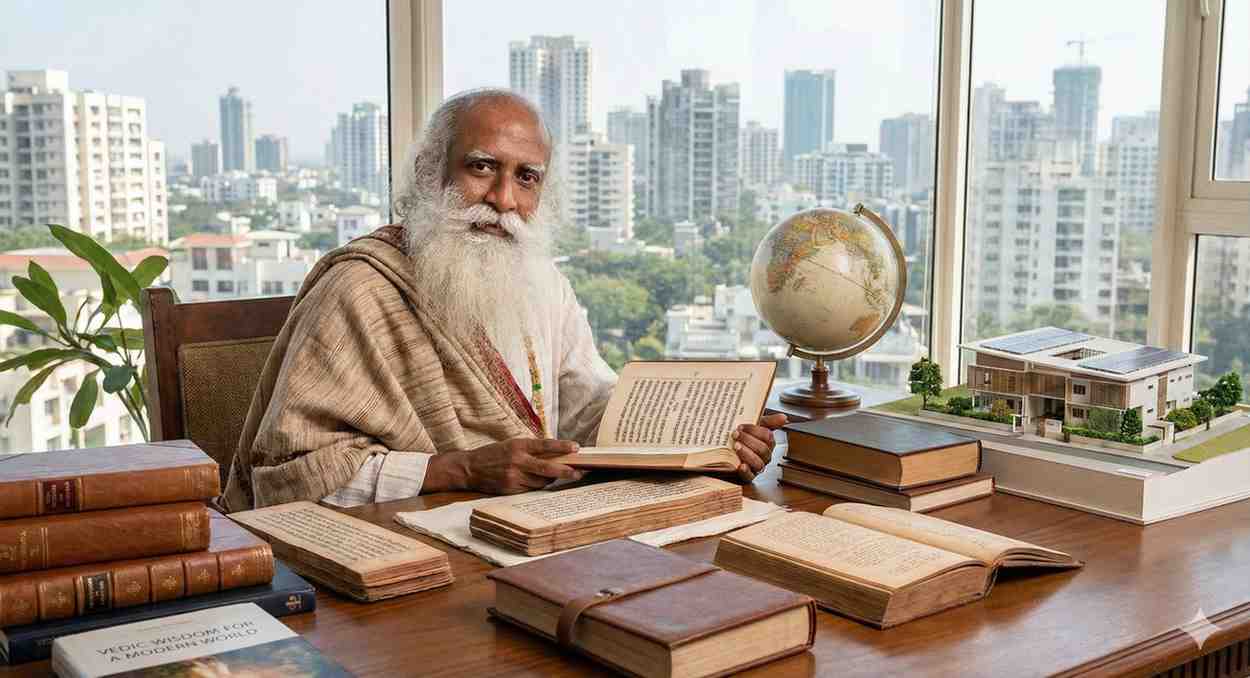
Are We Allowing Vedic Wisdom to Shape Our Worldview?
Ancient Insights, Modern Applications
The Vedas, often referred to as the world’s oldest spiritual texts, provide profound guidance on life, ethics, and the interconnectedness of the universe. Yet, as modern society navigates unprecedented challenges—climate crises, social divides, and mental health epidemics—one must ask: Are we truly embracing the wisdom of the Vedas to inform our worldview, or are these timeless teachings being overshadowed by fleeting trends and material pursuits?
1. The Core of Vedic Wisdom
The Vedas—Rigveda, Yajurveda, Samaveda, and Atharvaveda—emphasize universal principles that transcend cultural and temporal boundaries:
- Unity of Existence: The Rigveda declares, “Ekam sat vipra bahudha vadanti” (Truth is one, but the wise call it by many names), promoting inclusivity and respect for diverse perspectives.
- Harmony with Nature: The Atharvaveda venerates the Earth as a sacred mother, advocating sustainable practices and environmental reverence.
- Dharma and Ethics: Central to Vedic teachings is dharma, the principle of righteous living that balances individual needs with collective welfare.
2. The Disconnect in Modern Society
Despite the relevance of these teachings, modern lifestyles often prioritize short-term gains over long-term harmony.
- Materialism Over Spirituality: The focus on consumerism and technological advancement has overshadowed the Vedic call for balance and introspection.
- Example: Festivals rooted in Vedic traditions are increasingly commercialized, with their deeper spiritual essence often ignored.
- Environmental Neglect: The Vedic emphasis on living in harmony with nature contrasts sharply with the exploitation of natural resources for economic growth.
- Data: According to the Global Forest Watch, India lost over 38,500 square kilometers of forest cover between 2001 and 2020, highlighting the disconnect from Vedic principles of sustainability.
3. Why Vedic Wisdom Matters Today
- Mental Health and Well-Being: The Vedas offer tools for mindfulness, meditation, and balance, addressing rising mental health issues.
- Insight: Practices like chanting Om and pranayama have been scientifically proven to reduce stress and enhance emotional resilience.
- Sustainability and Responsibility: Vedic teachings on rita (cosmic order) provide a moral and ethical framework for addressing climate change and ecological imbalance.
- Unity in Diversity: The Vedic vision of universal harmony can inspire inclusivity and peaceful coexistence in a polarized world.
4. Reintegrating Vedic Wisdom into Our Worldview
To allow Vedic wisdom to shape modern perspectives, conscious efforts must be made:
- Educational Integration: Incorporating Vedic teachings into curricula can foster ethical reasoning, sustainability, and self-awareness among younger generations.
- Policy and Leadership: Decision-makers can draw from Vedic principles of harmony and responsibility to create policies that prioritize collective welfare over individual gain.
- Cultural Revival: Festivals and rituals can be reoriented to emphasize their spiritual and philosophical significance, reconnecting people with their deeper meanings.
5. Conclusion: A Call for Reflection
The Vedas are not relics of the past but living repositories of wisdom that can inform a balanced, ethical, and sustainable worldview. By allowing these ancient teachings to shape modern perspectives, humanity can address today’s challenges with clarity and purpose.
The question remains: Will we let the wisdom of the Vedas illuminate our path, or will we continue to drift further from the principles that have the power to harmonize the individual, society, and the universe? The time to choose is now.