Indian Economy: GDP Projections Cut Amid FPI Sell-off
New Delhi, April 2026 — India’s economic momentum is facing a dual challenge as global instability begins to weigh heavily on domestic growth. A significant downgrade in GDP forecasts and a massive exodus of foreign capital have signaled a cooling period for what was once the world’s fastest-growing major economy.
Moody’s Trims Growth Forecast to 6%
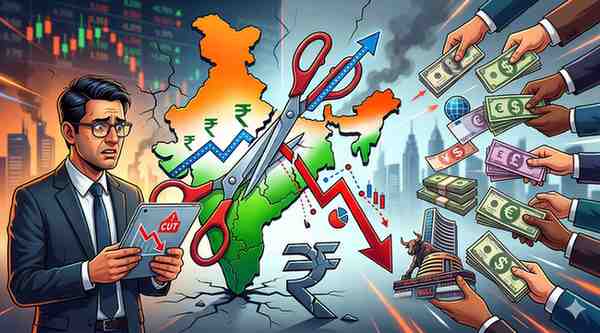
In a move that has rattled market sentiment, Moody’s Ratings has revised India’s GDP growth projection for FY27 downward to 6%, a sharp drop from its previous estimate of 6.8%.
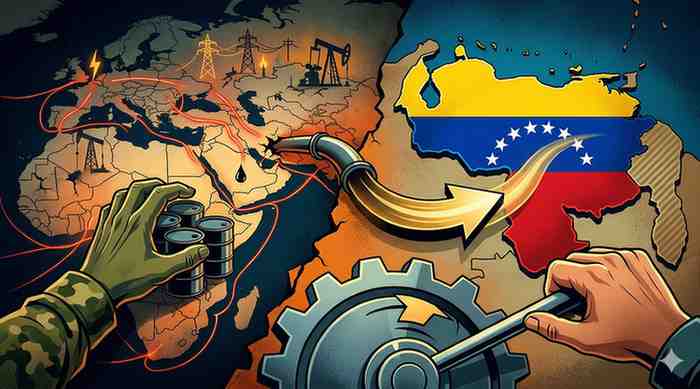
The downgrade is primarily attributed to “import-led inflation.” With the Iran-U.S. conflict threatening the Strait of Hormuz, India’s energy security is at risk. As the country imports nearly 90% of its LPG and 55% of its crude oil from West Asia, the rising cost of fuel and fertilizers is expected to push domestic inflation to 4.8%, dampening consumer spending and industrial output.
The Great FPI Exit: ₹19,837 Crore Dumped
The Indian equity market is currently witnessing a historic “flight to safety.” Foreign Portfolio Investors (FPIs) have offloaded nearly ₹19,837 crore in just the first few days of April 2026.
This sell-off follows a disastrous March, where outflows hit a record ₹1.17 lakh crore. Global investors are moving capital back to Western markets as the U.S. Dollar strengthens and Indian corporate margins are squeezed by rising input costs. This massive withdrawal has put the Indian Rupee under immense pressure, forcing the central bank to intervene to prevent a freefall.
Government Safety Net: The ₹2.5 Lakh Crore Lifeline
To prevent a systemic collapse in the industrial sector, the Indian government is preparing a ₹2.5 lakh crore credit guarantee scheme.
This initiative aims to support businesses struggling with the “logistics shock” caused by the West Asia crisis. By providing collateral-free loans, the government hopes to protect Small and Medium Enterprises (MSMEs) from rising shipping costs and raw material shortages, ensuring that the credit flow to essential sectors like power and manufacturing remains uninterrupted.
Engineering Milestone: A 30-Year Turnaround
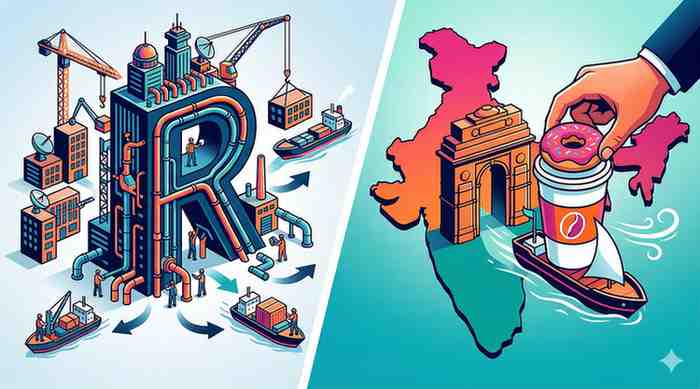
Amidst the financial turbulence, India’s manufacturing sector has delivered a historic victory. For the first time in three decades, India has become a net exporter of engineering goods.
Engineering exports—including industrial machinery, iron, and steel—surged by over 12%, crossing the $10 billion monthly mark in February 2026. This shift is a critical structural win; while oil imports are becoming more expensive, the export of high-value engineering products is significantly narrowing the trade deficit. India’s ability to find new markets in Saudi Arabia and the UK has partially offset the slowdown in traditional trade routes.
Bottom Line
The Indian economy is at a crossroads. While the 6% GDP projection reflects the harsh reality of global geopolitical friction and capital flight, the resilience of the engineering sector suggests that India’s internal industrial base is stronger than it was a decade ago. The coming months will test whether government credit interventions can stabilize the economy enough to weather the global storm.