Tata Sons Boardroom Fracture: A Legacy of Trust Meets a Conflict of Interest
- Editor
- September 28, 2026
- Uncategorized
- 0 Comments
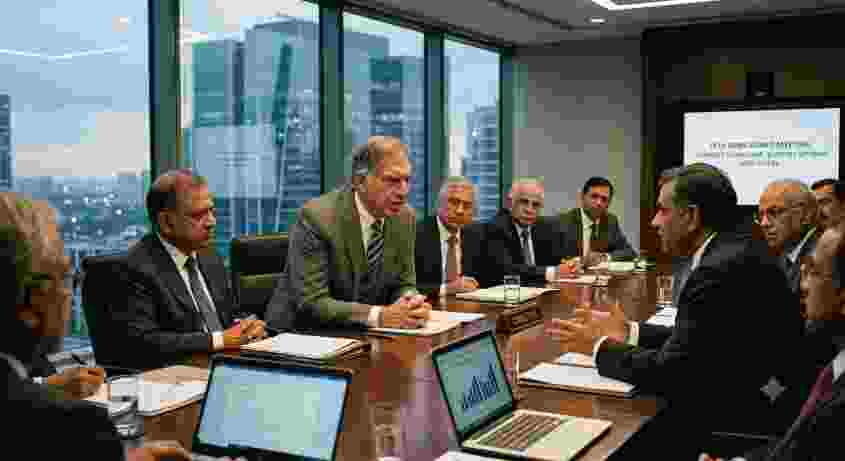
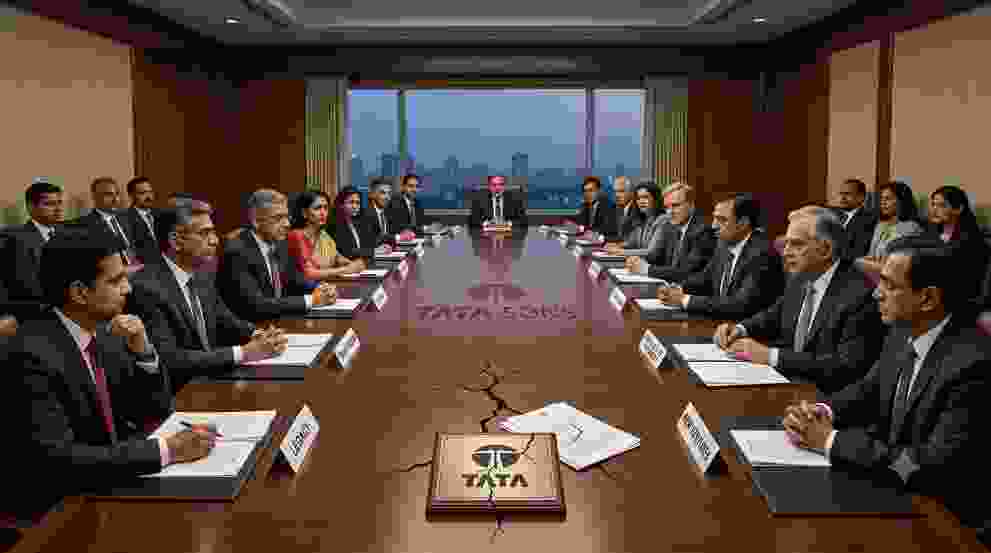
Mumbai, September 2026 — The traditionally quiet and tightly controlled boardroom of Tata Sons is heading toward an unprecedented legal showdown. What was supposed to be a routine extension of a CEO’s tenure has ripped the lid off a brewing civil war involving alleged nepotism, undisclosed land deals, and the shifting power dynamics in the post-Ratan Tata era.
The 4:1 Vote That Broke the Silence
The Tata Sons board recently moved to extend the tenure of current CEO N. Chandrasekaran until February 2027. The vote passed 4:1. The single dissenting voice? Noel Tata, the man who controls Tata Trusts—the entity that holds the majority stake in Tata Sons. Noel Tata’s stance is clear: as the majority shareholder, his veto should halt the decision. The board, however, proceeded anyway, setting the stage for a bitter legal dispute.
The TVS Land Deal: A Family Affair?
The core of Noel Tata’s dissent isn’t just about boardroom politics; it’s about a severe allegation of conflict of interest. Tata Trusts claims they were kept in the dark about a massive land transaction between TVS Motor and a company operated by N. Chandrasekaran’s wife and son. For a conglomerate that prides itself on ethical governance, funneling business to immediate family members without majority board disclosure is a glaring red flag.
The Bottom Line: A Vulnerable Giant
The Tata Group is no stranger to boardroom brawls—the Cyrus Mistry saga remains fresh in corporate memory. But this internal war pits the operational CEO directly against the controlling Trust. If these allegations of hidden deals and nepotism reach the courts, it threatens not just executive careers, but the share value and untarnished reputation of India’s most respected conglomerate.
10-Minute Delivery, Zero Accountability: FSSAI’s Strike on Quick Commerce
New Delhi, September 2026 — India’s quick commerce darlings—Zepto, Blinkit, Swiggy Instamart, Amazon, and BigBasket—are facing a harsh reality check. The Food Safety and Standards Authority of India (FSSAI) is preparing penal action against these platforms, ending the era where delivery apps could wash their hands of the products they sell.
The “Just a Tech Platform” Excuse is Dead
For years, online delivery apps operated in a legal gray area. If a local kirana store sold expired milk, the store owner faced the music. But if a 10-minute delivery app delivered a hazardous product, they claimed they were simply a “technology intermediary.” FSSAI is closing this loophole. If a product on a quick commerce app violates health standards, the platform itself will now face the penalty.
Selling Lies and Poison
The crackdown follows a series of alarming discoveries:
- The Shelf-Life Violation: A November 2024 rule mandated that all food sold online must have at least 30% of its shelf life (or 45 days) remaining. Quick-commerce platforms have routinely ignored this, treating users as dumping grounds for near-expiry inventory.
- The Sugar-Free Scam: Platforms were caught selling “Happilo Dates” marketed as having “No Added Sugar,” while the ingredient list clearly included honey. (FSSAI classifies honey as a form of added sugar).
- Banned Substances: In August, raids in Karnataka revealed platforms like Amazon and Instamart openly selling Datura, a highly toxic plant, leading to immediate license suspensions.
The Bottom Line: A Costly Wake-Up Call
With fines ranging from ₹3 lakh to ₹10 lakh looming, the financial penalty is pocket change for these billion-dollar unicorns. However, the regulatory shift is massive: quick commerce can no longer prioritize speed over consumer safety. They are now officially retailers, and they will be regulated like them.
Brahma AI’s $2 Billion Flex: The ‘Ramayana’ Trailer Was Just a Tech Demo
Mumbai / London, September 2026 — When the highly anticipated trailer for the upcoming Ramayana epic dropped, audiences debated the budget, the cast, and the scale. But in the boardrooms of global tech, the trailer wasn’t seen as a movie promo—it was a multi-million dollar pitch deck for Brahma AI, an Indian-led tech venture that just raised capital at a staggering $2 billion valuation.
The Illusion of Cinema
The seamless multi-language dubbing and flawless lip-syncing of characters in the Ramayana trailer wasn’t just good CGI. It was the debut of Brahma AI’s enterprise-grade artificial intelligence. The film is effectively a loss-leader—a massive, public showcase designed to prove to global studios that this AI can clone languages, replace faces, and animate lip movements flawlessly at a cinematic level, not just on YouTube.
The Empire Behind the Code
Brahma AI didn’t appear out of nowhere. It is the culmination of a 30-year strategic rollout by Namit Malhotra:
- 1997: Prime Focus launches in Mumbai.
- 2014: Merges with London’s Double Negative to form the VFX powerhouse DNEG.
- 2024: Acquires clear AI technology via Prime Focus Technologies.
- 2025: Merges Meta-physics (AI face-replacement) with existing tech to birth Brahma AI.
The Bottom Line: Selling the Shovel, Not the Gold
While fans argue over the cinematic merits of Ramayana, DNEG and Namit Malhotra are playing a completely different game. They don’t need the movie to break box office records; they need it to prove their software works. By creating a $2 billion AI enterprise that Hollywood will be forced to rent, they aren’t just making a movie—they are monopolizing the future of global film production.