West Asia Ceasefire Offers Strategic Breathing Room But Structural Tensions Remain Unresolved
- admin
- April 13, 2026
- Uncategorized
- 0 Comments
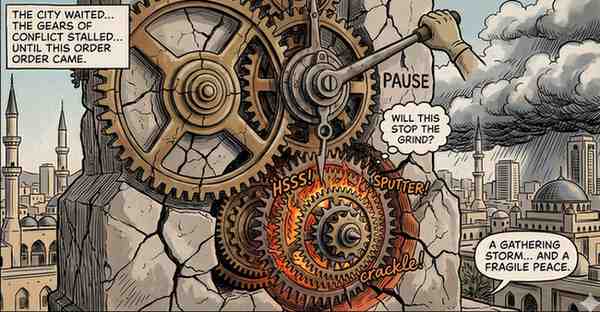
The latest ceasefire in West Asia represents a tactical pause rather than a durable peace settlement, with underlying territorial, political, and proxy-power conflicts remaining fundamentally unaddressed. India’s strategic calculus must account for continued volatility in energy markets and shipping lanes despite the temporary de-escalation.
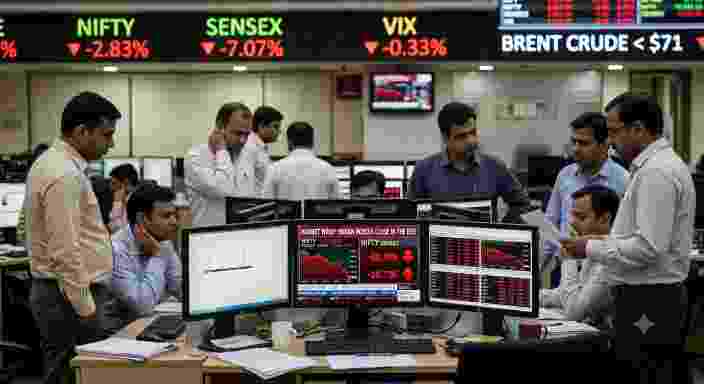
New Delhi, April 2025 — The fragile ceasefire announced across key West Asian conflict zones marks the third such truce in eighteen months, underscoring a pattern where diplomatic interventions secure temporary halts to hostilities without resolving the core grievances driving regional instability. For India, which sources over 60 percent of its crude oil imports from the Gulf region and maintains a diaspora of nearly nine million workers across West Asia, the distinction between pause and peace carries material economic consequences.
What Is Driving the Current Ceasefire?
Multiple converging pressures created conditions for the present truce, including sustained diplomatic engagement by Qatar and Egypt, mounting civilian casualties that drew international condemnation, and battlefield exhaustion among frontline combatants. The United States and China both applied pressure through back-channel communications, reflecting rare alignment between the two powers on preventing further regional escalation. However, neither the territorial disputes nor the Iranian-Saudi strategic competition that undergird West Asian conflicts have been addressed in ceasefire terms. The agreement notably lacks enforcement mechanisms or international monitoring provisions, raising questions about its durability.
What Does This Mean for India?
India’s external affairs establishment views the ceasefire with cautious pragmatism, recognising that energy supply disruptions during the previous escalation phase contributed to a 12 percent spike in crude import costs during Q4 2024. The Red Sea shipping corridor, which handles approximately 12 percent of global trade including significant India-Europe commerce, had seen insurance premiums surge threefold during active hostilities. Indian refiners had begun diversifying toward Russian and African crude sources, a strategic shift that may continue regardless of West Asian stabilisation. The welfare of Indian expatriate workers, particularly in construction and services sectors across UAE, Saudi Arabia, and Kuwait, remains a constant diplomatic priority.
How Does This Compare to Previous Truces?
The current ceasefire follows a pattern established by the 2023 Gaza truce, which collapsed within seven weeks, and the 2024 Lebanon-Israel understanding that held for barely three months. Each successive agreement has featured weaker commitment language and shorter negotiated durations, suggesting declining confidence among parties in diplomatic frameworks.
- West Asia accounts for 58 percent of India’s crude oil imports, valued at approximately USD 90 billion annually
- Red Sea disruptions in late 2024 added 10-14 days to India-Europe shipping routes
- Indian remittances from Gulf countries totalled USD 38 billion in FY2024
- Brent crude fluctuated between USD 78-94 per barrel during the recent escalation cycle
- India’s strategic petroleum reserves currently cover 9.5 days of consumption
What Should Investors and Policymakers Watch?
Energy sector investors should monitor Iranian nuclear negotiation timelines, as any breakdown in Vienna talks could trigger rapid re-escalation. Infrastructure and logistics companies with Red Sea exposure must maintain contingency routing plans. The Reserve Bank of India will likely retain its inflation buffer assumptions given persistent geopolitical risk premiums on energy imports. Indian diplomatic engagement through the I2U2 grouping (India-Israel-UAE-US) offers a multilateral channel for managing regional uncertainties.
Analyst’s View
The West Asia ceasefire buys time but purchases no lasting stability. India’s optimal strategy involves accelerating energy transition investments, deepening bilateral security dialogues with Gulf partners, and maintaining diplomatic channels with all regional actors including Iran. The next 90-day window will prove decisive—historical patterns suggest this is when previous truces faced maximum stress. Policymakers should prepare contingency frameworks for renewed disruption rather than assuming normalisation.