Fed’s Oil Shock Strategy Leaves Rate Cuts on Hold: Why Inflation Risks Persist Despite Powell’s Dovish Signal
- admin
- April 10, 2026
- Uncategorized
- 0 Comments
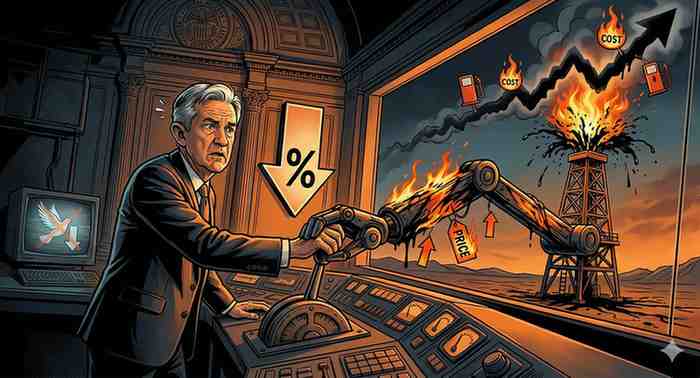
Federal Reserve Chair Jerome Powell has indicated that temporary oil price shocks will not trigger interest rate hikes, suggesting the central bank will look through supply-driven inflation. However, this stance does not guarantee rate cuts are imminent, as underlying price pressures and labour market resilience continue to complicate the Fed’s path toward its 2% inflation target.
New Delhi, April 2025 — Powell’s remarks at a recent policy forum mark a significant doctrinal clarification: the Federal Reserve distinguishes between demand-driven inflation requiring monetary tightening and supply-side shocks that may warrant patience. This approach echoes the Fed’s controversial 2021 decision to label pandemic-era inflation as “transitory” — a call that ultimately proved premature and forced aggressive catch-up rate hikes through 2022-23.
What Is Driving Powell’s Position on Oil Shocks?
Powell’s reluctance to respond to oil price volatility with rate increases reflects central banking orthodoxy that views commodity shocks as self-correcting. Higher energy prices function as a tax on consumption, dampening demand naturally without requiring additional monetary intervention. The Fed’s current framework prioritises avoiding policy overreaction that could unnecessarily constrain economic growth. This measured stance also acknowledges that rate hikes cannot increase oil supply or resolve geopolitical disruptions driving price spikes.
Why Should Investors Remain Cautious on Inflation?
Core inflation metrics, which strip out volatile food and energy components, remain stubbornly above the Fed’s 2% target. Services inflation, driven by wage growth in healthcare, housing, and hospitality sectors, shows limited signs of sustained decline. The American labour market continues adding jobs at a pace inconsistent with rapid disinflation, maintaining upward pressure on unit labour costs. Historical precedent from the 1970s demonstrates that accommodating initial supply shocks can entrench inflation expectations if follow-through monetary discipline wavers.
What Does This Mean for Indian Markets and Policy?
The Reserve Bank of India closely monitors Fed policy signals when calibrating its own interest rate trajectory and managing rupee stability. A prolonged Fed pause reduces immediate pressure on the RBI to maintain wide interest rate differentials, potentially creating space for domestic rate cuts if Indian inflation remains contained. Indian equity markets, particularly rate-sensitive sectors like banking, real estate, and automobiles, could benefit from continued global liquidity conditions. However, any Fed reversal toward hawkishness would trigger foreign portfolio outflows and rupee depreciation, forcing the RBI into defensive interventions.
- US core PCE inflation stood at 2.8% in February 2025, still 80 basis points above the Fed’s target
- Brent crude prices have fluctuated between $78-92 per barrel through Q1 2025 amid Middle East tensions
- The Fed has held rates steady at 5.25-5.50% since July 2023, the longest pause since the 2006-07 cycle
- Market pricing currently implies only two 25-basis-point cuts through end-2025
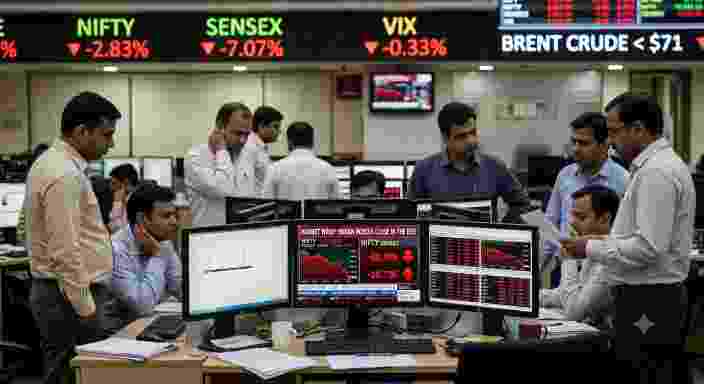
- Foreign portfolio investors withdrew $4.2 billion from Indian equities in Q1 2025 amid dollar strength
How Does This Compare to Previous Fed Cycles?
The current policy environment differs markedly from the 2014-2019 cycle when the Fed navigated oil price collapses without inflation concerns. During the 2011 commodity spike, the European Central Bank raised rates prematurely and was forced into embarrassing reversals within months. Powell appears determined to avoid both historical errors — neither ignoring genuine inflation persistence nor overreacting to temporary supply disruptions. The Fed’s credibility now hinges on correctly distinguishing between these scenarios in real-time.
Analyst’s View
Powell’s nuanced messaging represents tactical communication rather than strategic dovishness. Investors pricing in imminent rate cuts may face disappointment if services inflation fails to decelerate meaningfully by mid-2025. The critical variables to monitor include monthly core PCE readings, wage growth in the employment cost index, and any secondary effects from energy prices feeding into transportation and logistics costs. For Indian market participants, the Fed’s eventual pivot timing matters more than its current rhetoric — position for volatility rather than directional conviction until clearer evidence of sustained US disinflation emerges.