Cracks in the Behemoth: Understanding the HDFC Bank Governance Crisis
- Editor
- April 8, 2026
- Banking & Finance, Business, Economy, Global Business
- 0 Comments
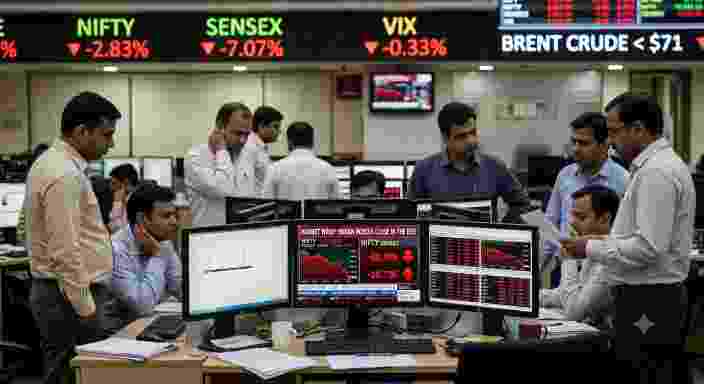
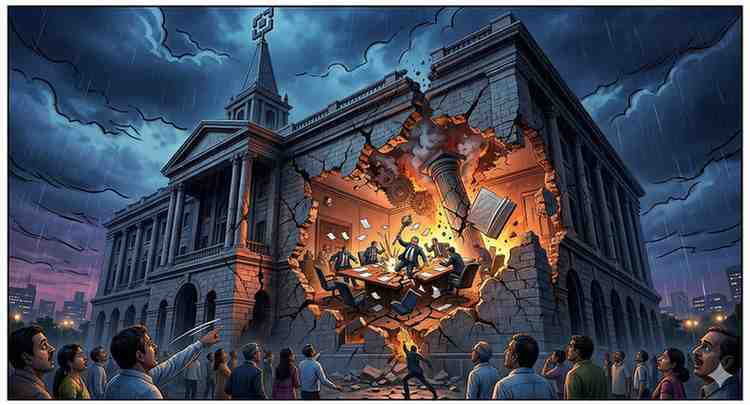
NEW DELHI, April 2026 — HDFC Bank, the crown jewel of India’s private banking sector, is facing a turbulent storm that has wiped out 26% of its share value in a single quarter. What began as a leadership transition has spiraled into a deeper investigation into corporate ethics, “misselling” scandals, and the unintended consequences of a mega-merger.
The Resignation That Sparked the Fire
The crisis reached a tipping point with the resignation of Chairman Atanu Chakraborty. While official statements pointed to “ideological differences,” the move was widely interpreted as a protest against a lack of alignment between the bank’s operations and fundamental ethical values. This leadership vacuum triggered a massive dump of shares by foreign investors, totaling nearly ₹48 crore in March alone.
The AT1 Bond Scandal: High Yields or High Deception?
At the heart of the bank’s legal woes is the alleged “misselling” of Additional Tier-1 (AT1) Bonds.
- The Product: These are perpetual bonds with no maturity date, offering high interest but carrying the risk of being completely “written off” if a bank faces financial distress.
- The Allegation: HDFC allegedly sold Credit Suisse AT1 bonds to wealthy individuals by masking them as “safe, high-yielding investment tools” without disclosing the risk of total principal loss.
- International Fallout: The Dubai Financial Services Authority has already restricted HDFC’s DIFC branch from onboarding new clients, citing a failure to maintain integrity and transparency.
The Governance Lag: Catching the Thief Too Late
A major criticism against the bank is the severe delay in internal accountability. The controversial bond sales took place between 2020 and 2021, yet the bank only terminated the employees involved in 2026—after international regulators raised the red flag. This “governance gap” suggests that internal checks were ignored until the scandal became too public to hide.
The Post-Merger Struggle
The 2023 merger between HDFC Limited and HDFC Bank was designed to create a global financial giant, but it has strained the bank’s balance sheet.
- Credit-to-Deposit Ratio: The bank’s lending has outpaced its deposit collection, breaching the 100% threshold.
- Valuation Dip: Traditionally, HDFC traded at a massive premium compared to peers like SBI. That gap has now shrunk significantly as investors question if the bank can maintain its legendary profitability.
Is the System at Risk?
Despite the market panic, the Reserve Bank of India (RBI) has assured the public that the bank’s core financials remain rock solid. HDFC is classified as a “Domestic Systemically Important Bank” (D-SIB)—meaning it is “Too Big to Fail”. With a capital adequacy ratio of nearly 20% and gross NPAs at a low 1.2%, the risk to depositors is minimal.
Bottom Line
The crisis at HDFC Bank is not one of insolvency, but of integrity. For a bank that thrived on the trust of millions, the era of “growth at any cost” has hit a wall. While the bank remains financially stable, the erosion of its “premium” status serves as a warning: in the global banking league, corporate governance is just as important as the balance sheet.