Iran Conflict Threatens Global Growth More Than Prices: What This Means for Emerging Market Strategies
- admin
- April 3, 2026
- Uncategorized
- 0 Comments
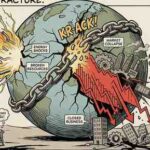
The escalating Iran conflict poses a dual threat to the global economy, but growth disruption now outweighs inflation risk as the primary concern for policymakers and investors. Central banks face a classic stagflation dilemma where traditional monetary tools may prove inadequate against simultaneous supply shocks and demand destruction.
New Delhi, April 2026 — The arithmetic of geopolitical risk has shifted decisively as the Iran conflict enters its second week, with Goldman Sachs revising global GDP growth forecasts downward by 0.4 percentage points while oil price spikes remain contained below the $95 per barrel threshold that would trigger acute inflationary spirals.
What Is Driving the Growth-Over-Inflation Dynamic?
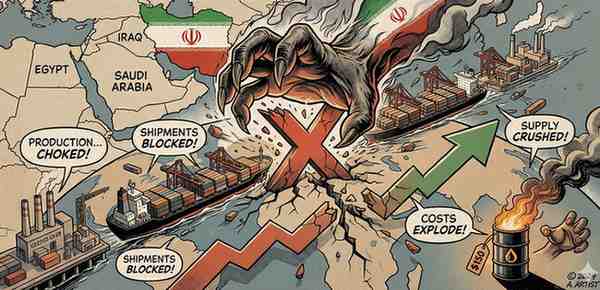
The global economy’s vulnerability to growth shocks has intensified since the post-pandemic recovery exhausted pent-up demand buffers across major economies. Consumer spending in the United States and European Union already showed deceleration in Q1 2026, leaving minimal cushion against external disruptions. The Iran conflict compounds this fragility by threatening critical shipping lanes through the Strait of Hormuz, which handles roughly 20 percent of global oil transit. Unlike the 2022 Russia-Ukraine shock, current petroleum inventories and expanded non-OPEC production capacity have moderated price transmission, shifting the economic burden toward trade disruption and investment uncertainty.
What Does This Mean for India?
India faces asymmetric exposure given its continued reliance on Middle Eastern crude imports, which constitute approximately 60 percent of total petroleum purchases. The Reserve Bank of India’s inflation-targeting framework will confront renewed pressure if rupee depreciation accelerates against dollar strength driven by safe-haven flows. Indian IT services and pharmaceutical exports to Gulf Cooperation Council nations face potential logistics bottlenecks that could affect Q2 earnings visibility. The government’s fiscal position, already stretched by election-year expenditure commitments, leaves limited room for fuel subsidy interventions without breaching deficit targets.
How Does This Compare to Previous Geopolitical Shocks?
The current scenario differs materially from the 1990 Gulf War and 2019 Saudi Aramco attacks in several structural respects. Global supply chains have since diversified away from single-point vulnerabilities, though not entirely. Central bank credibility on inflation management stands considerably higher than during the 1970s oil shocks, anchoring medium-term expectations. The last comparable growth-focused geopolitical shock occurred during the 2020 pandemic onset, when coordinated fiscal responses prevented deeper recessions.
- Brent crude trading at $89 per barrel, up 12 percent since conflict escalation began
- Global shipping insurance premiums for Gulf routes increased 340 percent week-over-week
- IMF baseline global growth forecast now at 2.7 percent for 2026, down from 3.1 percent pre-conflict
- India’s crude import bill projected to rise by $14 billion annually at current prices
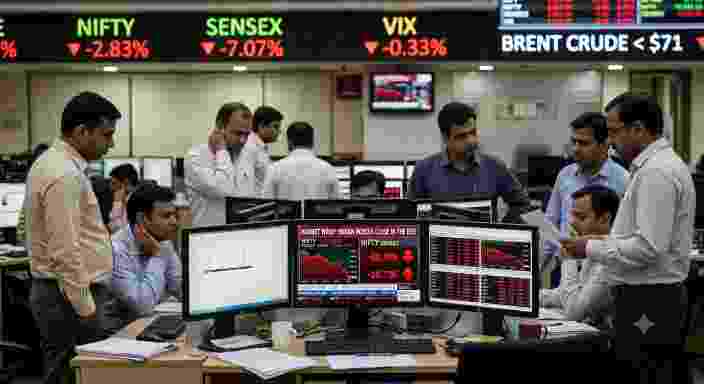
- Foreign institutional investors withdrew $2.3 billion from emerging market equities in the past five trading sessions
What Should Investors Watch?
Currency markets will provide the earliest signal of sustained risk-off sentiment, with the rupee’s 85.50 level against the dollar serving as a critical technical threshold. Corporate earnings guidance during the upcoming results season will reveal supply chain stress points not yet visible in macroeconomic data. The US Federal Reserve’s response function matters enormously — any indication of prioritising growth support over inflation vigilance would reshape asset allocation frameworks globally.
Analyst’s View
The Iran conflict has exposed a fundamental repricing of geopolitical risk that markets had systematically underweighted since 2023. Portfolio managers should anticipate elevated volatility persisting beyond any ceasefire announcement, as structural reassessment of Gulf region stability will require months to fully incorporate into valuations. The critical variable to monitor is whether conflict remains contained to Iranian territory or expands to directly target Gulf state energy infrastructure — the latter scenario would invalidate current consensus forecasts entirely. India’s relative resilience depends heavily on RBI’s willingness to deploy forex reserves aggressively and the government’s capacity to absorb short-term fiscal deterioration without triggering rating agency concerns.