Trump Trade Policy Threats Trigger Sharp Selloff in Indian Equities: What Investors Need to Know
- admin
- April 3, 2026
- Uncategorized
- 0 Comments
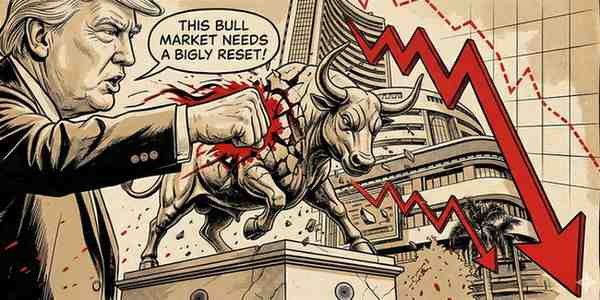
Indian benchmark indices Sensex and Nifty suffered significant losses following remarks by former US President Donald Trump signalling aggressive trade policy measures that could disrupt global supply chains and emerging market capital flows. Indian investors face heightened volatility as markets price in potential tariff escalations and a stronger dollar environment that typically pressures foreign institutional investment in developing economies.
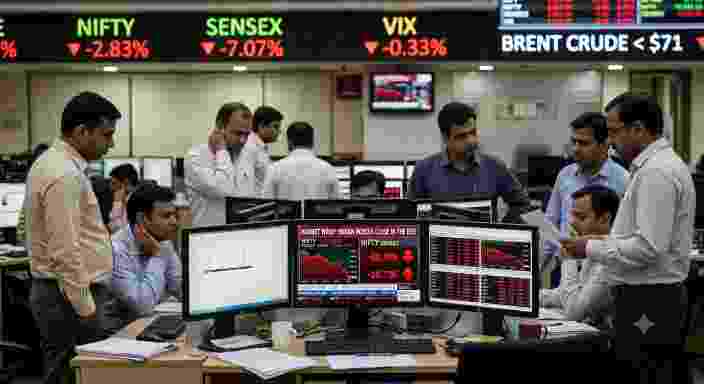
New Delhi, April 2025 — Indian equity markets witnessed a sharp correction as both the BSE Sensex and NSE Nifty 50 tumbled in response to Donald Trump’s latest trade policy pronouncements, which rattled global risk sentiment and triggered broad-based selling across emerging market assets. The selloff erased gains accumulated over several sessions, with foreign portfolio investors accelerating outflows from Indian equities.
What Is Driving the Market Decline?
Donald Trump’s remarks have reignited fears of a renewed trade war, with implications extending well beyond US-China bilateral tensions. Trump’s proposed tariff measures threaten to disrupt integrated global supply chains in which Indian manufacturing and IT services play significant roles. The dollar index strengthened sharply following Trump’s statements, creating typical emerging market pressure as investors rotate toward perceived safe-haven assets. Indian markets, already navigating concerns over stretched valuations, proved particularly vulnerable to this external shock.
What Does This Mean for Indian Investors?
Indian retail and institutional investors face a period of elevated uncertainty that may persist through the US election cycle. Export-oriented sectors including information technology, pharmaceuticals, and textiles face direct exposure to potential American protectionist measures. Domestic-focused sectors such as banking, infrastructure, and consumption may demonstrate relative resilience, though broader risk-off sentiment typically affects all equity categories. The last comparable episode occurred during the 2018-2019 trade war escalation, when Nifty experienced multiple 5-7% corrections before stabilising.
How Does This Compare to Previous Trade War Episodes?
The current market reaction echoes patterns observed during Trump’s first presidential term when trade tensions triggered periodic emerging market selloffs. India’s current account deficit position has improved since 2018, providing somewhat stronger macroeconomic buffers against capital flight. However, foreign institutional investors now hold a larger absolute position in Indian equities, amplifying potential outflow pressures. The Reserve Bank of India’s substantial foreign exchange reserves of approximately $640 billion offer meaningful intervention capacity should rupee depreciation accelerate.
- Sensex and Nifty declined sharply, with banking and IT stocks leading losses
- Foreign portfolio investors recorded net outflows exceeding ₹3,000 crore in recent sessions
- The Indian rupee weakened against the dollar, approaching psychological resistance levels
- India’s IT sector derives approximately 50-60% of revenues from North American markets
- RBI holds over $640 billion in foreign exchange reserves as intervention buffer
What Should Investors Watch Next?
Market participants should monitor US Federal Reserve commentary for signals on monetary policy trajectory in a potentially inflationary tariff environment. The RBI’s response through currency market intervention or liquidity measures will shape near-term market dynamics. Corporate earnings guidance from export-dependent companies in upcoming quarterly results will provide tangible evidence of trade policy impacts. Investors should track FPI flow data daily, as sustained outflows historically precede extended correction phases.
Analyst’s View
The immediate selloff likely overprices worst-case trade war scenarios, but sustained volatility appears probable through the US election period. Indian equity valuations had limited margin of safety before this external shock, suggesting selective accumulation rather than aggressive buying. Investors should favour companies with predominantly domestic revenue streams and pricing power while maintaining higher cash allocations than typical. The structural India growth narrative remains intact, but tactical positioning demands heightened caution over the next two quarters as global trade policy uncertainty resolves.