How US-Iran Tensions Create Dual Pressure Points for Asian Energy Security and Trade Finance
- admin
- April 2, 2026
- Uncategorized
- 0 Comments
Asian economies face simultaneous pressure from surging crude oil prices and restricted dollar-denominated trade channels as US-Iran hostilities escalate, creating a twin deficit problem not seen since the 2012 sanctions era. India, Japan, South Korea, and China confront immediate current account deterioration alongside growing complications in settling energy imports through conventional banking routes.
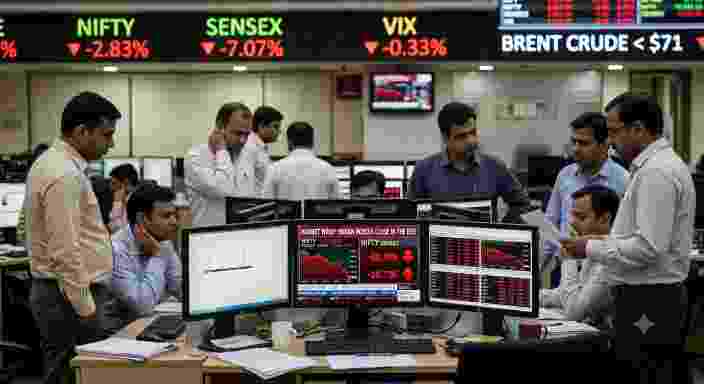
New Delhi, April 2026 — The strategic waterways of the Persian Gulf have once again become the fulcrum of Asian economic vulnerability, with Brent crude breaching $95 per barrel amid military exchanges between American and Iranian forces, marking a 40% surge from January 2026 levels.
What Is Driving the Dual Economic Shock?
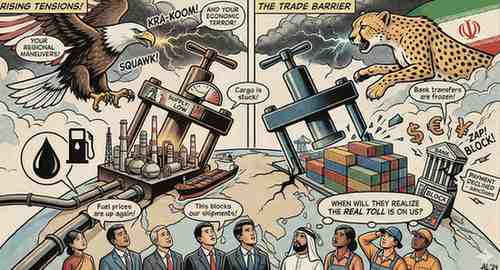
Asian economies are experiencing two distinct but interconnected pressures stemming from the US-Iran conflict. The first channel operates through energy markets, where supply disruption fears and actual shipping route complications through the Strait of Hormuz have pushed crude prices to levels last seen during the 2022 Ukraine crisis. The second channel involves financial sanctions that complicate dollar-based trade settlements, forcing Asian importers to either abandon Iranian crude entirely or construct elaborate payment mechanisms that carry significant compliance risk. This combination creates a current account squeeze while simultaneously restricting the policy options available to central banks and trade ministries.
What Does This Mean for India?
India’s petroleum import bill faces an estimated $25-30 billion annual increase at current price levels, threatening the fiscal consolidation achieved over 2024-25. The Reserve Bank of India confronts a difficult choice between defending the rupee through reserve depletion or allowing depreciation that would amplify imported inflation. Indian refiners, who had cautiously resumed Iranian crude purchases through rupee-denominated channels in late 2025, now face renewed pressure to find alternative suppliers in an already tight market. The Ministry of External Affairs has reportedly activated diplomatic channels with UAE and Saudi Arabia to secure additional volumes, though at premium pricing.
How Does This Compare Globally?
The current disruption differs structurally from the 2018-2019 sanctions period when Asian economies secured waivers for continued Iranian imports. The military dimension of the present conflict eliminates any prospect of exemptions, while shipping insurance costs through Lloyd’s have tripled for Gulf-route tankers. European economies, though affected, maintain greater energy diversification through Russian pipeline alternatives and established LNG infrastructure. China’s position remains unique—Beijing continues settling Iranian crude purchases in yuan through domestic banking channels, effectively operating a parallel trade finance system that insulates it partially from dollar-system restrictions.
- Brent crude prices have increased 40% year-to-date, reaching $95/barrel in early April 2026
- India imports approximately 85% of its crude requirements, with Gulf nations supplying over 60% of this volume
- Shipping insurance premiums for Strait of Hormuz transit have risen 300% since February 2026
- South Korea and Japan, both lacking yuan-settlement infrastructure, face the most acute payment channel constraints
- Asian currency depreciation against the dollar has averaged 6-8% across major economies since conflict escalation
What Should Investors Watch?
Currency markets will provide the earliest signal of stress intensification, with the Indian rupee’s 83-84 range against the dollar representing a critical technical threshold. Oil marketing companies in India face margin compression that equity markets have not fully priced, while upstream producers and private refiners with diversified crude sourcing show relative resilience. Sovereign bond yields in import-dependent Asian economies warrant monitoring for signs of fiscal stress transmission.
Analyst’s View
The structural lesson from this episode extends beyond the immediate crisis: Asian energy security architecture remains fundamentally exposed to Gulf chokepoints despite a decade of diversification rhetoric. India’s strategic petroleum reserves cover merely 12 days of consumption, compared to 90-plus days for OECD economies. The yuan-settlement infrastructure China has built with Iran represents a template that other Asian economies may increasingly consider, potentially accelerating de-dollarisation trends in commodity trade. Investors should position for sustained energy price elevation through Q2 2026, while monitoring the US domestic political calendar—November elections may constrain further military escalation, offering a potential pressure release valve by mid-year.