India Condemns Attacks on Merchant Ships; 130,000 Nationals Evacuated Amid Middle East Crisis
- Editor
- March 13, 2026
- Automobile, Defence, Global Business, Politics
- 0 Comments
New Delhi, March 2026 — A multi-ministerial briefing has laid bare the staggering scale of India’s efforts to protect its citizens and economy as conflict paralyzes the Strait of Hormuz. With over 130,000 nationals already evacuated and the maritime sector under fire, the government is racing to dismantle a potential energy crisis while mourning the loss of Indian lives at sea.
Casualties and the Cost of Conflict
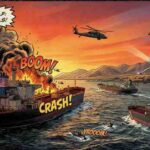
The human cost of the maritime disruptions has officially hit home. The Ministry of External Affairs (MEA) confirmed the deaths of three Indian nationals, with a fourth still missing. These individuals were part of merchant crews caught in the crossfire of attacks on commercial shipping.
The most recent tragedy occurred aboard the MT Safe Sea Vishnu, a Marshall Island-flagged vessel operating near Basra, Iraq. While 15 Indian crew members were successfully rescued and moved to safety in Baghdad, the loss of life has triggered a sharp diplomatic response. “India strongly condemns the attacks on merchant ships from any quarters,” officials stated, marking a shift toward more assertive rhetoric regarding the safety of international waters.
The Great Evacuation: 130,000 and Counting
India has activated a massive logistical network to repatriate its diaspora. To date, approximately 1.3 lakh passengers have returned via non-scheduled commercial flights and ramped-up operations from the UAE, Saudi Arabia, and Qatar.
The rescue mission is not limited to the air. In a complex land-and-air maneuver, the Indian Embassy in Tehran is facilitating the exit of students and workers from Iran via Armenia and Azerbaijan, providing visa facilitation and land-border crossings for those trapped by airspace closures.
Fueling a Nation Under Blockade
The closure of the Strait of Hormuz—the transit point for 90% of India’s LPG imports—has threatened to paralyze domestic kitchens. However, the Ministry of Petroleum and Natural Gas reports a resilient pivot:
- Alternate Routes: Over 70% of crude imports have already been rerouted away from the Strait.
- Production Surge: Under the Essential Commodities Act, domestic refineries have been ordered to maximize output, resulting in a 28% increase in domestic LPG production.
- Alternative Fuels: To ease the pressure, the government has released 48,000 kiloliters of kerosene and authorized the temporary use of biomass and coal for the hospitality sector to preserve LPG for households and hospitals.
Fighting the “Panic Economy” and Fake News
Despite the disruption, officials were adamant that there are no “dry outs” at India’s one lakh retail outlets. The real threat, they argue, is psychological. A “manifold increase” in LPG bookings has been driven by panic rather than actual shortage.
The government has issued a stern warning against “fake content” and unverified social media reports that are fueling public anxiety. “It is vital that information remains authentic,” an MEA spokesperson noted, urging the public to rely on the 24/7 helplines established by the missions.
Bottom Line
India is currently managing one of its most complex geopolitical balancing acts in decades. While the evacuation of 130,000 citizens is a logistical triumph, the long-term challenge lies in sustaining energy security and protecting the 778 seafarers still operating in high-risk zones. The era of “business as usual” in the Persian Gulf has ended; a new era of high-alert maritime diplomacy has begun.