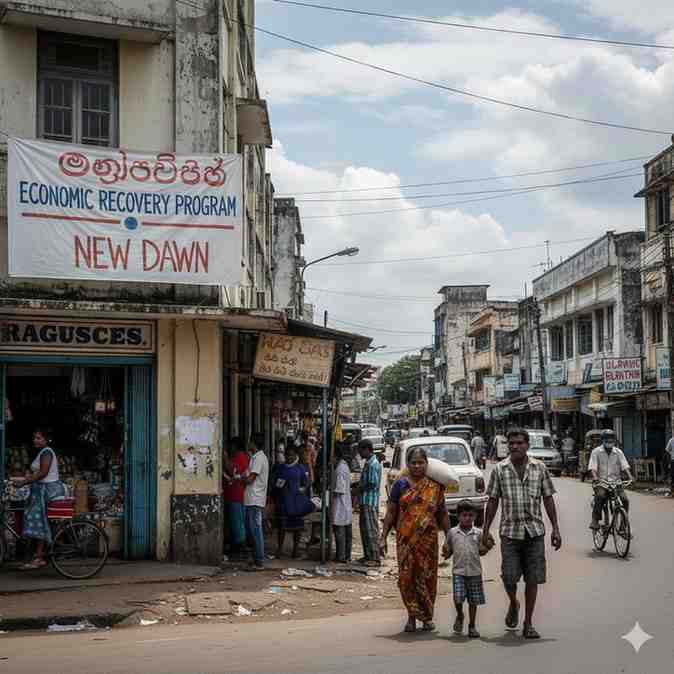
Sri Lanka 2026: Debt restructuring aftermath and the return of investor confidence
- admin
- January 21, 2026
- Companies & Industry, World
- 0 Comments
Key highlights
- “Confidence” returns only when IMF program performance + restructuring milestones + reserves stabilityalign—together, not one-by-one.
- Sri Lanka’s recovery narrative entering 2026 is less about slogans and more about verification: reviews, targets, disbursements, and reserve adequacy.
- Official data points like gross official reserves are watched as a quick trust proxy. CBSL has published reserve figures and external-sector updates used by markets.
Why “aftermath” is not a moment—it’s a sequence
Investors don’t fall in love; they follow repayment math. The typical sequence looks like:
- restructuring framework →
- fiscal and monetary discipline →
- credibility through reviews →
- lower uncertainty premium →
- gradual return of private capital
The danger is step 2–3: reform fatigue and political pushback.
What investors watch in 2026 (the real checklist)
1) IMF program reviews and on-track signals
IMF documentation acts like a public scorecard: targets, reforms, and whether the country is meeting them. When reviews proceed and financing flows, confidence strengthens.
2) Debt restructuring implementation (not announcements)
Markets differentiate between “agreed in principle” and “implemented.” Official government debt bulletins and formal releases matter because they reduce uncertainty around schedules and obligations.
3) Central bank stability signals
Investors scan:
- reserve adequacy
- inflation behavior
- currency stability
CBSL’s published reserve numbers are one of the cleanest “trust proxies” available.
4) Domestic politics and reform continuity
Even if macro improves, confidence can stall if the market senses backsliding. The premium comes back fast.
“Is Sri Lanka investable again in 2026?”
A realistic answer: for some risk profiles, increasingly yes; for others, not yet.
What changes the answer is consistency—IMF reviews on track, restructuring uncertainty reduced, and reserves not wobbling.
What’s the biggest hidden risk?
Reform fatigue.
Markets punish reversal harder than they reward promises. The comeback is fragile until reforms become boring—which is exactly what long-term capital needs.
Small questions people search
What single number should I track?
Start with official reserves and IMF review outcomes; they compress a lot of information into simple signals.
What would “confidence returning” look like on the ground?
Lower volatility, steadier currency expectations, and longer-term capital showing up—not just short-term trades.