South China Sea Code of Conduct 2026: What ASEAN–China Talks Could Decide Next (and Why India Watches Closely)
- admin
- January 20, 2026
- World View
- 0 Comments
Key Highlights
- ASEAN and China have formally kept Code of Conduct (COC) negotiations moving through their established mechanism. Chinese Foreign Ministry+1
- Official briefings in 2025 reiterated an aim toward concluding the COC on an agreed 2026 timeline—but no fixed January 2026 negotiation date has been publicly confirmed in these notices. กระทรวงการต่างประเทศ
- The outcome matters for shipping lanes, regional crisis management, and the “rules of the water” in a high-traffic, high-risk sea corridor.
The South China Sea isn’t just a map dispute; it’s a living test of whether Asia can keep competition from turning into collision. For years, ASEAN and China have been working through a formal track linked to the Declaration on the Conduct of Parties (DOC), using senior-official meetings and a joint working group to keep dialogue going and to keep incidents from becoming escalations. Chinese Foreign Ministry
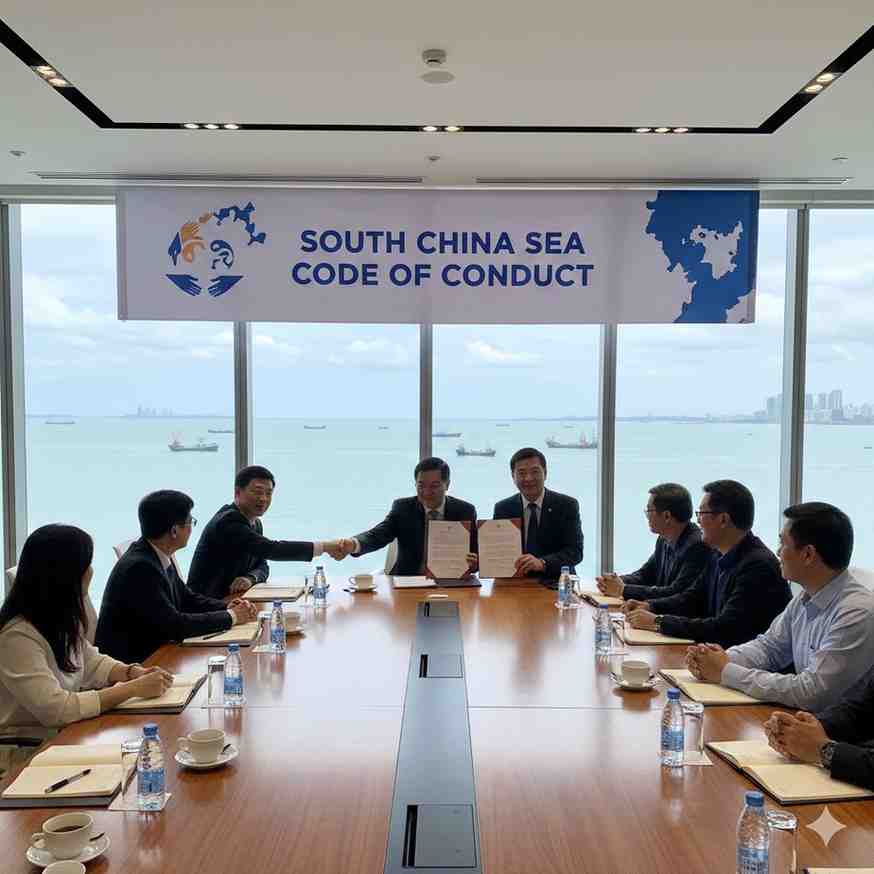
In August 2025, officials met in Kuching, Malaysia under the SOM-DOC framework. China’s Ministry of Foreign Affairs’ readout described “positive progress” in COC consultations and explicitly noted agreement to plan the “next stage,” accelerate consultations, and strive to reach the COC at an early date. Chinese Foreign Ministry Thailand’s Ministry of Foreign Affairs separately referenced guidance to advance negotiations “with the aim towards its conclusion by the agreed timeline of 2026.” กระทรวงการต่างประเทศ
So what’s “TBC” about January 2026? The big thing: timing and agenda. Official public briefings show momentum and intent, but they don’t lock a specific January 2026 round on the calendar. That’s why the responsible way to read the 2026 chatter is: negotiations are real, the target-year framing is real, but the “this week/month” meeting speculation is still just that—speculation. กระทรวงการต่างประเทศ+1
What the COC could actually change
A meaningful Code of Conduct is less about grand speeches and more about small, enforceable behaviours:
- How vessels operate when they meet at close range
- Whether parties can build de-escalation routines fast (hotlines, incident protocols)
- Whether “restraint” becomes measurable rather than poetic
What it could mean for you (especially if you’re in India)
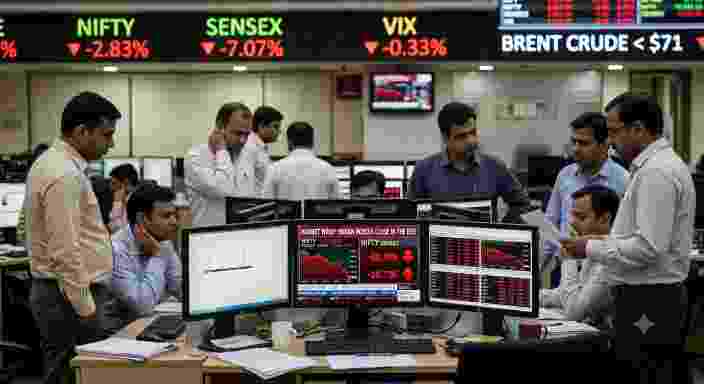
Even if you never follow maritime diplomacy, you still pay for it—in freight costs, insurance premiums, and volatility that leaks into markets. A calmer sea lane reduces the hidden tax on trade; a tenser one raises it. For India, which sits at the crossroads of Indo-Pacific supply chains, any improvement in predictability matters—especially when global shipping is already living through a decade of shocks.
The pragmatic reader’s watchlist
- Official ASEAN/Member State announcements setting dates for the next negotiation round
- Whether “incident prevention” language becomes more concrete
- Any new confidence-building measures under the DOC framework (search & rescue, scientific cooperation, law enforcement coordination) that show trust is rising rather than falling Chinese Foreign Ministry+1