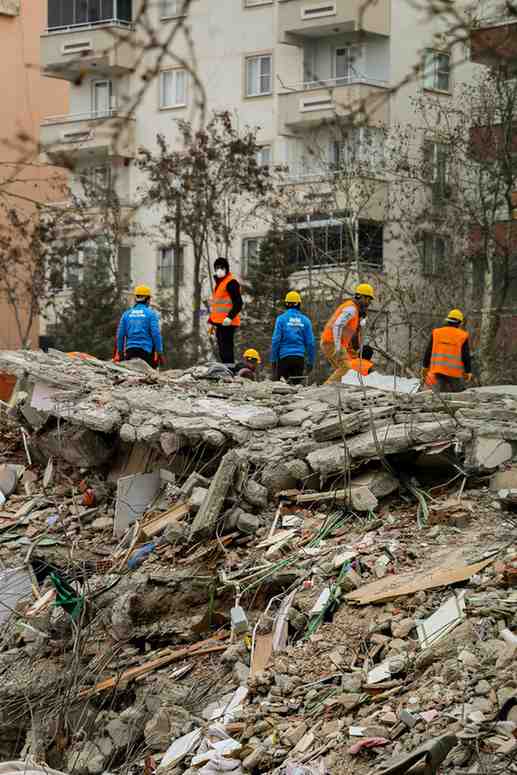
The Role of AI in Enhancing India’s Disaster Response Mechanisms
- admin
- December 23, 2025
- Government, Technology
- 0 Comments
Introduction: Advancing Disaster Management with Artificial Intelligence
India, due to its diverse geographical features, faces various natural disasters such as floods, cyclones, earthquakes, and droughts. Enhancing disaster response mechanisms is crucial for minimizing loss of life and property. Recognizing this, the Indian government is increasingly turning to Artificial Intelligence (AI) to revolutionize its disaster response capabilities. AI technologies are being leveraged to predict disasters more accurately, manage emergencies more efficiently, and improve the resilience of communities.
AI Innovations in Disaster Response
AI is transforming India’s approach to disaster management in several key ways:
- Early Warning Systems: AI algorithms are being employed to enhance early warning systems for a variety of natural disasters. By analyzing large datasets from satellite images, weather stations, and historical disaster data, AI models can predict the likelihood, timing, and intensity of events such as cyclones, floods, and heatwaves with greater accuracy. This allows for timely evacuations and better preparedness.
- Disaster Risk Reduction: AI tools analyze geographic and demographic data to map disaster-prone areas and vulnerable populations. This information is crucial for planning infrastructure projects and implementing mitigation strategies that reduce risk and enhance community resilience.
- Emergency Response Coordination: During disasters, AI-powered platforms can optimize the deployment of resources such as emergency personnel, medical aid, and relief materials. These systems analyze real-time data from the ground and adjust logistical plans to ensure that aid reaches those in need as quickly and efficiently as possible.
- Damage Assessment: Post-disaster, AI technologies are used to assess damage rapidly through the analysis of images captured by drones or satellites. This rapid assessment helps in prioritizing response efforts and speeds up the recovery and rehabilitation process.
- Public Information Systems: AI-driven chatbots and information dissemination tools provide real-time, accurate information to the public during disasters. These systems can handle queries, issue advisories, and guide individuals on safety measures, significantly improving public awareness and safety.
Government Initiatives and Collaborations
The Indian government has launched several initiatives to integrate AI into its disaster management strategies:
- National Disaster Management Authority (NDMA) Initiatives: NDMA is incorporating AI solutions into its operations, particularly for risk assessment and resource management. Partnerships with tech companies and academic institutions are central to these efforts.
- Smart Cities Mission: As part of this initiative, AI technologies are included in the design of smart cities to enhance their disaster resilience. Features include AI-based surveillance systems and infrastructure monitoring.
- International Collaboration: India is part of global dialogues and partnerships that focus on leveraging AI for disaster risk reduction. Collaboration with international bodies like the United Nations Office for Disaster Risk Reduction (UNDRR) helps in exchanging knowledge and adopting best practices.
Challenges and Future Directions
Despite the potential benefits, the integration of AI in disaster management faces several challenges:
- Data Availability and Accuracy: Reliable and timely data is essential for AI systems. Gaps in data, especially in remote or rural areas, can hinder the effectiveness of AI applications.
- Infrastructure Limitations: Adequate digital infrastructure is necessary to support AI technologies, which can be lacking in many disaster-prone areas.
- Training and Capacity Building: There is a need for ongoing training for disaster management personnel to effectively use AI tools and interpret their outputs.
Conclusion: A Proactive Approach to Disaster Management
The role of AI in enhancing India’s disaster response mechanisms is a testament to the country’s proactive approach to leveraging technology for public safety. By continuing to develop and refine AI technologies, and addressing existing challenges, India can significantly improve its disaster preparedness and response capabilities, ultimately saving lives and reducing economic losses. This innovative approach not only strengthens national resilience but also positions India as a leader in disaster management technology on the global stage.