Uttar Pradesh’s Policing Reforms: Improving Safety or Eroding Rights?
- admin
- December 17, 2025
- Government, Policy
- 0 Comments
Uttar Pradesh, India’s most populous state, has been at the forefront of law enforcement reforms under the Yogi Adityanath government. These measures aim to address issues of crime, public safety, and administrative efficiency. While these changes have led to significant advancements, concerns regarding civil liberties and potential overreach have emerged.
Modernization Efforts
In its 2024-25 budget, the Uttar Pradesh government allocated ₹39,550.76 crore to the police department, emphasizing modernization through technology, infrastructure, and capacity building. According to the Directorate of Police Modernisation under the Ministry of Home Affairs (MHA), these funds are being used to improve communication systems, acquire advanced weaponry, and upgrade police vehicles.
As per data from the National Crime Records Bureau (NCRB), Uttar Pradesh reported a 25% reduction in serious crimes like dacoity and armed robbery between 2017 and 2023, indicating a correlation with enhanced policing measures.
The government has also expanded the use of Artificial Intelligence (AI) and predictive policing. Surveillance cameras powered by facial recognition technology have been deployed in urban centers, particularly in the Lucknow and Noida Commissionerates. These areas now use over 10,000 cameras connected to Integrated Command and Control Centers (ICCC), as noted in a report by the Smart Cities Mission.
Introduction of Police Commissionerates
In 2020, Uttar Pradesh introduced the Police Commissionerate system in Lucknow and Gautam Buddha Nagar. This structural reform grants commissioners greater administrative authority, including magisterial powers, to ensure swift decision-making. The state government’s official press releases cite this reform as a significant step in modernizing police governance. Subsequently, the MHA listed Lucknow among the top cities benefiting from this system in terms of reduced response times and improved crime handling.
Women’s Safety Initiatives
Women’s safety has been a major focus of these reforms. The state has launched 218 women-specific “pink booths” and expanded the 1090 Women Power Line, which handled over 15 lakh complaints in 2023 alone, as per official statistics from the Uttar Pradesh Police Department. Additionally, the state has introduced anti-romeo squads and women-centric help desks in all police stations.
Challenges and Criticism
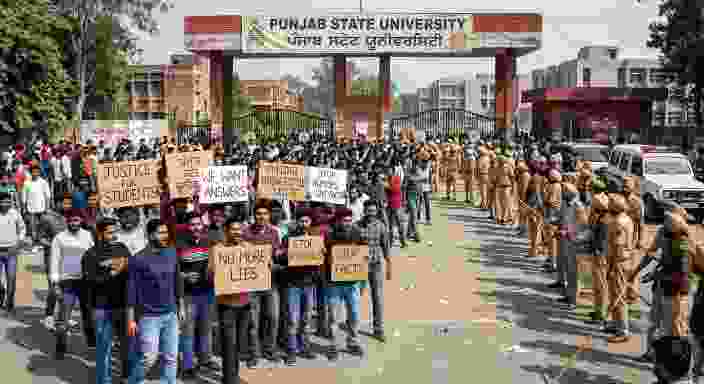
Despite these achievements, Uttar Pradesh faces criticism over its approach to law enforcement. The state has reported the highest number of custodial deaths in the country, with 501 incidents in 2021-22, according to the National Human Rights Commission (NHRC). Human rights organizations have highlighted that this undermines public trust and raises questions about accountability.
The growing reliance on surveillance technologies, while boosting crime prevention, has drawn criticism from privacy advocates. India lacks a robust data protection law, leaving citizens vulnerable to potential misuse of their biometric data. A report by the Internet Freedom Foundation (IFF) points to the absence of transparency in how these technologies are being deployed.
Additionally, the NCRB’s data shows Uttar Pradesh consistently ranks high in reported crimes against women, despite reforms. Critics argue that systemic issues such as patriarchal attitudes and lack of training for officers impede progress.
Balancing Safety and Rights
Experts, including former senior officials from the Bureau of Police Research and Development (BPRD), suggest that policing reforms must be complemented with safeguards to ensure adherence to constitutional rights. Proposals include:
- Establishing independent oversight committees for investigating police misconduct.
- Ensuring judicial approvals for using advanced surveillance technologies.
- Conducting regular human rights training for police personnel.
Transparency and community participation are also key. A report by the Commonwealth Human Rights Initiative (CHRI) emphasizes the need for regular audits of policing practices and fostering collaboration with civil society organizations to build trust.
Public Sentiment and Way Forward
Public opinion on these reforms remains divided. While citizens acknowledge the reduction in crime, many remain skeptical about the methods employed. Initiatives like women’s safety booths have received mixed reactions, with activists urging systemic change rather than reactive measures.
For Uttar Pradesh to maintain its trajectory of improving law and order while respecting civil liberties, a balanced approach is critical. By institutionalizing accountability and ensuring that technology is used responsibly, the state can achieve sustainable reform.