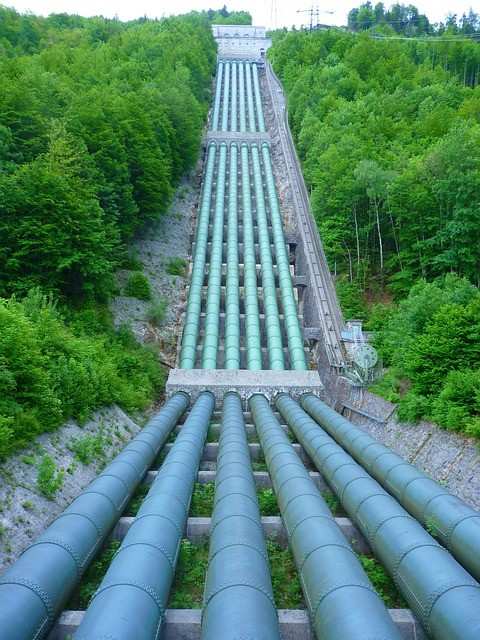
Uttar Pradesh’s Future with Smart Water Management Solutions
- admin
- December 1, 2025
- Development, Technology, Uttar Pradesh
- 0 Comments
Pioneering a sustainable future through innovative water resource management.
Introduction
Water scarcity and inefficient resource management are among the most pressing challenges in Uttar Pradesh, India’s most populous state. In response, the state is embracing smart water management solutions to address urban and rural water needs, enhance agricultural efficiency, and promote sustainability. By integrating technology, policy innovation, and community participation, Uttar Pradesh is working toward a future where water resources are managed efficiently and equitably.
Key Technological Innovations in Water Management
1. Smart Water Villages
The concept of Smart Water Villages, piloted in regions like Kudha Keshavpur in Ayodhya, integrates technology to optimize water usage and reduce wastage.
- Features:
- Real-time data monitoring of water consumption and distribution.
- Automated leak detection systems.
- Smart meters for precise billing and efficient usage tracking.
(Source: SMEC Water Management Program)
2. IoT-Based Monitoring Systems
The implementation of Internet of Things (IoT) devices in cities such as Kanpur and Varanasi allows for real-time monitoring of water levels in reservoirs, pipelines, and groundwater sources.
- Benefits:
- Reduces water loss through early detection of leaks.
- Improves decision-making with data-driven insights.
- Ensures better water quality through automated sensors.
(Source: UP Smart Cities Mission)
Government-Led Water Management Initiatives
1. Jal Jeevan Mission (Urban and Rural)
Under the Jal Jeevan Mission, Uttar Pradesh is striving to provide tap water connections to every household in rural and urban areas by 2024.
- Progress:
- Over 40% of rural households have already been connected with tap water, with plans to extend the coverage statewide.
- Focus on sustainable water conservation methods, such as rainwater harvesting, to ensure groundwater recharge.
(Source: Jal Shakti Ministry)
2. Smart Cities Integrated Water Management
Smart Cities such as Lucknow, Agra, and Prayagraj are adopting integrated water management systems to ensure efficient distribution and waste management.
- Components:
- Centralized control systems for water supply and sewage.
- GIS mapping for identifying high-stress zones and planning resource allocation.
- Public engagement through mobile apps for water quality updates and complaints.
(Source: Smart Cities Uttar Pradesh)
Community Engagement in Water Conservation
1. Reviving Traditional Water Bodies
The state has prioritized the rejuvenation of ponds and lakes through community participation under programs like Mission Amrit Sarovar.
- Achievements:
- Over 8,500 traditional water bodies revived across rural Uttar Pradesh.
- Involvement of local communities in maintenance and monitoring to ensure sustainability.
(Source: Rural Development Department, UP)
2. Jal Chaupal Awareness Campaign
Grassroots initiatives like Jal Chaupal, led by local activists, bring communities together to discuss water conservation techniques and promote sustainable practices.
- Activities Include:
- Workshops on rainwater harvesting.
- Educating farmers on sustainable irrigation practices.
- Public drives to clean and restore local water bodies.
(Source: Rural Water Supply and Sanitation Department)
Innovative Public-Private Partnerships
1. Solar-Powered Water Purification
Startups such as Swajal Water are revolutionizing drinking water access by deploying solar-powered water purification units in underserved areas.
- Impact:
- Reduction in waterborne diseases by providing clean, filtered water.
- Cost-effective and environmentally sustainable operations.
(Source: Swajal Water)
2. Collaboration with Global Agencies
Partnerships with organizations like the World Bank and UNICEF support capacity-building programs and the implementation of advanced water management technologies in Uttar Pradesh.
(Source: World Bank India)
Challenges and Opportunities
Challenges:
- Infrastructure Gaps: Rural areas still face limitations in pipeline connectivity and water storage facilities.
- Groundwater Depletion: Over-extraction for agriculture and industrial use poses a long-term threat.
- Public Awareness: Ensuring widespread adoption of water-saving practices requires ongoing efforts.
Opportunities:
- Expanding IoT-based water management systems across more districts.
- Strengthening local governance through community-led initiatives.
- Increasing investments in rainwater harvesting and solar-powered solutions.
Opinionated Yet Balanced Perspective
Uttar Pradesh’s approach to smart water management demonstrates a blend of technological innovation and community engagement. While significant progress has been made, the state must address infrastructure gaps and groundwater depletion to ensure sustainable outcomes. Leveraging digital tools, policy frameworks, and partnerships will be critical in securing water resources for future generations.
Conclusion
Uttar Pradesh is paving the way for a sustainable future with its smart water management solutions. By integrating technology, empowering communities, and fostering innovation, the state is addressing its water challenges while setting an example for others. As these efforts continue, Uttar Pradesh is poised to emerge as a leader in sustainable water resource management, ensuring that every drop counts.